It’s 6:00AM, and the sun is already pouring through the windshield of your parked van, turning the cabin into an oven. You pull back a curtain for some air, then notice a stranger glancing in as they walk past. Do you keep the daylight and airflow, or shut everything up and sweat it out?
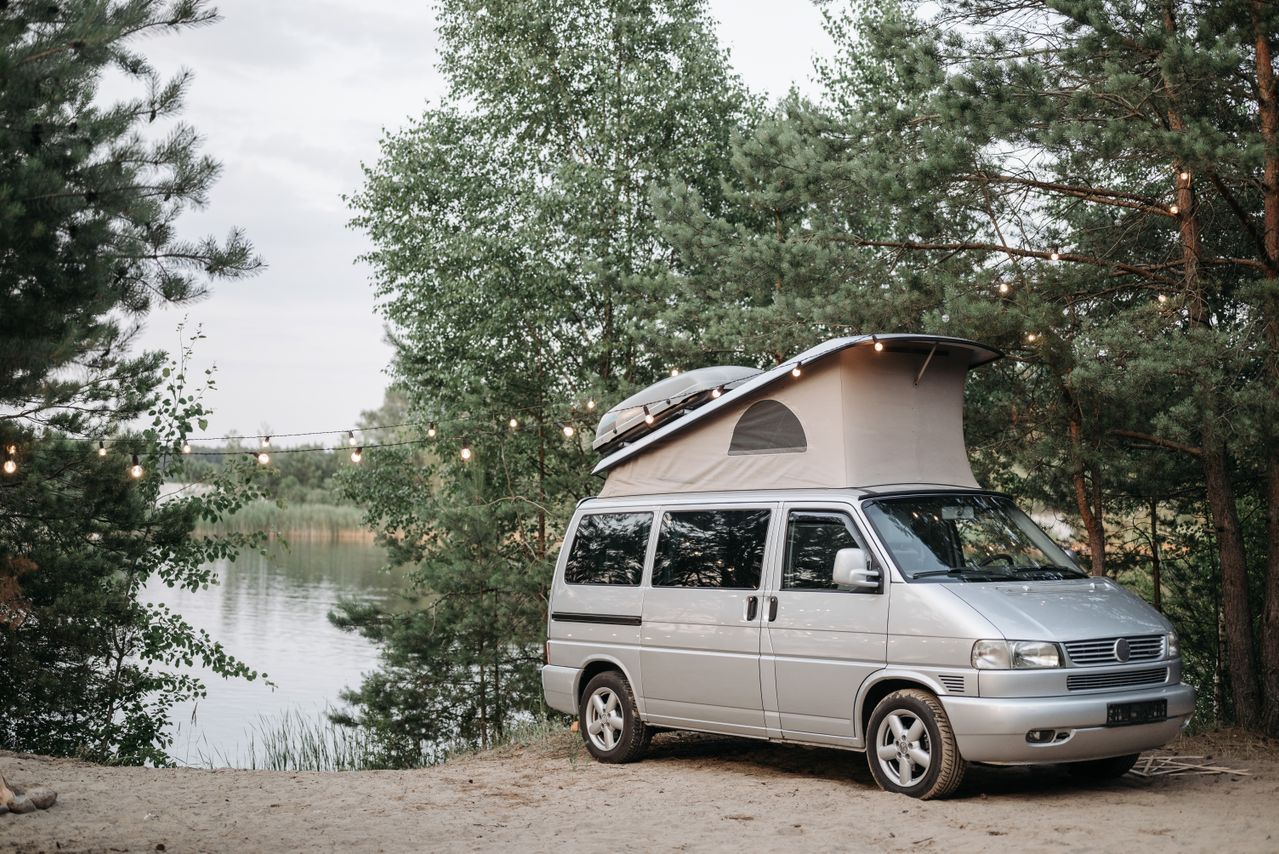
Image – Pavel Danilyuk
Nearly every van owner hits this standoff early on. Windows bring in daylight, fresh air, and a sense of what’s happening outside; however, every bare pane also risks showing passersby your gear. Fortunately, a well-planned setup doesn’t force you to pick one or the other, and investments in equipment like fitted Ford Transit window guards for drivers of this particular campervan model are a practical place to begin.
That said, hardware is only one layer of the answer. Here are five ways to balance window visibility with security in a camper van.
1) Zone Your Windows
Not every window needs the same level of protection. Cab windows sit at eye level for anyone walking past, and the sliding door and rear doors offer an even clearer line to your bags, electronics, and gear. Each zone calls for a different approach, so you might split them like this:
- Cab windows can stay bare by day, which lets you spot anyone approaching and pull away quickly.
- The sliding door and rear doors work best with full blackout treatment, since they reveal the most valuable contents.
- Windows near the bed or seating area can stay open while you’re using the space and close up when you step away.
It helps to walk a lap around the parked van and check each window from ten feet away, since that shows you where to start.
2) Add One-Way Tint
Reflective window film lets you see out while outsiders mostly see a dark or mirrored surface. The brighter side hides the dimmer one, so the film only works while it’s brighter outdoors than inside. After dark, a lamp in the cabin reverses the effect, and you become the one on display.
Tint alone adds little protection, but a security-grade film can help hold shattered glass together. Film applied to the inside of the glass also stays shielded from weather and scratches. Local rules also apply, since many regions restrict how heavy the film can be on the windshield and front side windows. Consider checking those limits before you buy; a midrange shade often beats the opaquest option because you can still see at dusk.
3) Use Removable Covers
Because tint stops working at night, removable panels allow you to shift between open and sealed, and they attach in a few minutes. Anything that hides your valuables also gives opportunistic thieves less reason to try your van at all. Each type suits a different window, so you might match them like this:
- Stealth covers suit the sliding door and rear doors, where a thin, low-profile fit works well.
- Insulated panels suit the bed or seating area, where temperature and daylight control matter most.
- Blackout covers suit the cab windows when you park overnight and want full privacy.
Fitted panels and window guards are made to match specific window shapes, and a snug fit around the edges matters most. Loose edges let light leak out and draw attention. The view returns the moment you pull them off.
4) Fit Screens and Vents
Remember too that a fully blocked van costs you ventilation. Fly-screen windows and vents with integrated mesh will let you leave a window partly open, all so that fresh air and a glimpse of the street still get in. A vent on a blocked window works especially well, since the shade handles privacy and the vent handles airflow.
Small, high vents tend to be safer than wide windows, because a narrow slot is harder to reach through from the street. Screened vents usually work best facing away from the road or sidewalk, and two on opposite sides of the van keep air flowing through. Even a small screened vent clears the heat that builds when the sun hits the metal. Mesh also keeps insects out, so a vent can stay open on warm evenings.
5) Control Interior Light
A lit cabin can give you away, even when every window is blocked off. At night, bright interior lighting throws silhouettes onto thin fabric, and the glare turns the glass into a mirror that blocks your own view out.
Dim, warm bulbs keep the glow soft and make it easier to see outdoors, and a small lamp or battery lantern near the floor, aimed downward, keeps your shadow off the fabric. A dimmer cabin also lets your eyes adjust to the dark, so you spot movement outside sooner. At dusk, it makes sense to swap to your softest bulbs and turn off the brightest lamps once you’re done for the night.
Ultimately, the right balance between visibility and security looks different at every stop along the way. A weekend trailhead, a commute through the city, and a weeklong road trip each carry their own risks, so a setup that works in one place may need a tweak in the next. You’ll get better at reading those moments the more nights you park, look, and adjust. Balance is less about hiding your van than about seeing what you need and sharing only what you choose.
[…] stretches of highway test every parent’s creativity despite the beautiful views from the windows. While tablets and devices certainly have their place, mixing up entertainment options keeps […]