Moving overseas. Having a baby. Two significant milestones in anyone’s life – and they should both be a time of joy. There will be little blips throughout, but that shouldn’t take away from how special a time it is.
Things do become a little tricky when these two milestones coincide. Life becomes a little… overwhelming. Okay, “a little” is definitely an understatement – at least for those who are in the firing line of stress. It’s all departure and move-in dates, pregnancy check-ups, packed up boxes, brand-new baby bottles, and so much more.
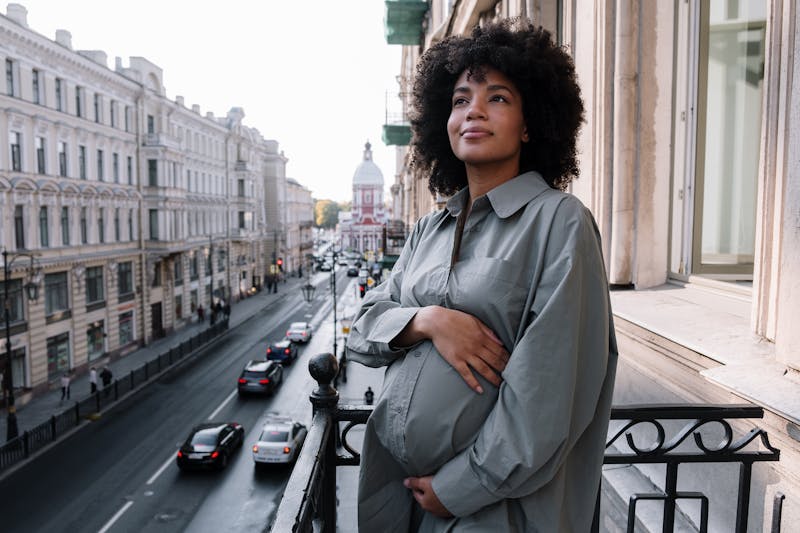
Photo by cottonbro studio
So, it’s easy to see how overwhelming moving abroad during pregnancy is. This shouldn’t be a surprise. There are key considerations to keep in mind. If you can, follow some specific steps to simplify the entire process. Read on below to accomplish that.
Verify Entry Requirements
It isn’t just as easy as hopping on a plane. There are entry requirements to follow. Pregnancy typically introduces additional restrictions from immigration authorities and transportation providers. Not following these requirements could result in denied boarding or denied entry. And no one wants to experience that.
Some countries, for example, have specific immigration and visa restrictions for non-national pregnancy women. The US could deny a visa application if the primary purpose of moving is believed to be giving birth for citizenship. This isn’t the only country to have such a rule, either.
But requirements extend further than geography. Airlines have strict policies, too. Most airlines will require a doctor’s certificate if you are flying while pregnant. Your certificate should confirm you are fit to fly, particularly if you are more than 28 weeks. If you are over 36 weeks, though, travel might be restricted fully.
Secure Comprehensive Health Insurance
Of course, your health is important. It needs to be protected, particularly when you are pregnant. After all, your health directly impacts the health of your baby. With this in mind, you need to purchase a high-quality health insurance policy – global health insurance, in particular.
Global health insurance ensures you receive healthcare anywhere – your host country, home country, or wherever else you go. During pregnancy, there are certain complications you need to be aware of – such as emergency C-sections, pre-eclampsia, and premature births. Travelling could increase the risk of these issues.
You will also have access to private care. Public systems might have long wait times or, in some cases, lower-quality medical care. Certain countries might have poor infrastructure. In these cases, having access to private care will guarantee you receive top-tier healthcare from specialized – and often English-speaking – doctors.
More comprehensive international health plans will cover prenatal and postnatal check-ups, too. This will depend on the plan as well as if it was purchased before you fell pregnant.
Research Local Maternity Care Quality
Maternity care quality goes hand-in-hand with insurance. Without insurance, you might not have access to the necessary medical care. However, if you do not research the local maternity care quality, then you could be at a greater risk of the previously mentioned complications.
Migrant women and their babies typically experience poorer outcomes. This includes higher rates of neonatal death, prematurity, and stillbirth. Such outcomes are linked to underutilization or inadequate access to healthcare. With this in mind, it is vital to do your research before your move.
Being as knowledgeable as you can be is encouraged. Not only will it show if maternity care protocols differ, but it will also provide information on cultural practices. Birth culture varies from country to country, with hospital stays being longer after birth in countries like Japan.
Establish a Local Support System
And remember, moving abroad could be very isolating. This is even more common during pregnancy. Not only are you in an unfamiliar environment, but you are also away from your usual routine. This means, even if you moved with your job, you will likely be on maternity leave. Meeting people in the office will be a no-go for some time.
As a result, you need to make an effort to create a support system. Sure, you could lean on phone calls and video chats with people back home, but this isn’t the same as in-person interactions. You need a safe space to share your fears and receive reassurances from others, particularly from those in a similar situation.
Fortunately, there are numerous ways to build a support system in your new country. You might attend prenatal classes. You could search for online expats and/or new parents. Or, if you have a midwife, you might receive emotional support from them.
To conclude, moving abroad during pregnancy is not for the easy-to-overwhelm. There will be some challenges, but knowing the process and putting additional steps in place early on will simplify the process.
Leave a Reply