Planning a wedding can be exhilarating. But at the same time, it can also be enormously stressful. If you want to avoid the hard work and uncertainty, then there are a few tried-and-tested ways of putting the big day together. Let’s take a look at a few aspects worth looking at.
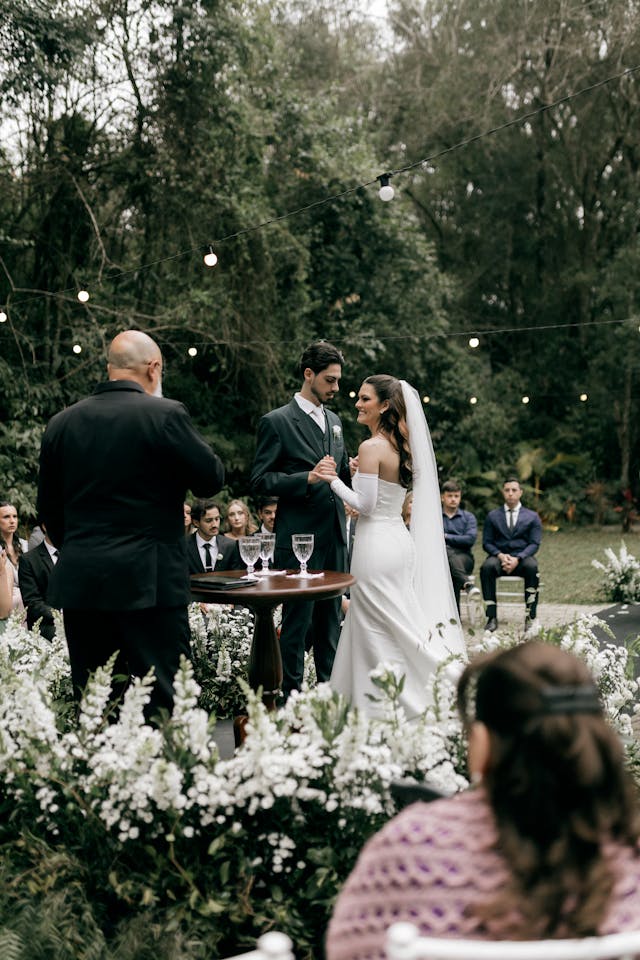
Image – Alexander Mass
Start with Clear Priorities
To begin with, you’ll need to start planning early. Be decisive about what you’re trying to achieve. Set out the amount of money you have to spend, and the number of guests you’d like to accommodate. Once you’ve made these big decisions, the other aspects of the day will often fall into place naturally, and you’ll avoid the stress that comes with dithering.
The ring itself is a good opportunity to set the tone. Pick out a preset engagement ring, and you’ll often make that initial decision considerably more straightforward.
Create a Realistic Timeline
If you try to rush things, then you’ll often end up making compromises. You’ll also find that the planning period is entirely dominated by wedding-related commitments, which can leave you feeling depleted. Give yourself at least a year, and ideally two; this way, you’ll give yourself the space to book venues without worrying about last-minute pressure. If you feel that you need to delay things, then do so – but be aware that this might inconvenience your guests.
Break Tasks into Manageable Steps
As with any large, complex project, it’s easy for a wedding to become overwhelming if it isn’t first broken down into a series of smaller steps. Try to divide the various aspects of your wedding into the smallest components possible, and then rattle your way through them. You’ll get the satisfaction that comes with making progress through your various lists, and the peace of mind that comes with knowing that things are falling slowly but surely into place.
Align Everything with Your Vision
Early on in the process, you might settle on a specific theme or vision. You might draw inspiration from a popular television show, a period in history, or a religious commitment. When you have your theme chosen, you can use it to make stylistic decisions, and have everything come together in a way that’s cohesive and satisfying.
So, if you want your wedding to look like a set from Bridgerton, you might decide early on that this is what you’re going for, and then pick out your venues, wardrobe, food, and music accordingly.
You might commit to your theme, and have it rigidly inform every last aspect of your wedding. Or, you might keep it as a loose guide, so that you have a means of breaking any deadlocks, and avoiding indecision.
Leave a Reply