Halo hair extensions have grown in popularity, yet a surprising number of people still hesitate to try them. Why? Because certain myths have taken hold, and once a bad idea sticks, it can be hard to shake. If you have been on the fence about halo extensions, there is a good chance one of these misconceptions has played a role. This article breaks down the five biggest myths about halo hair extensions so you can make a confident, well-informed choice instead of letting outdated assumptions get in the way.
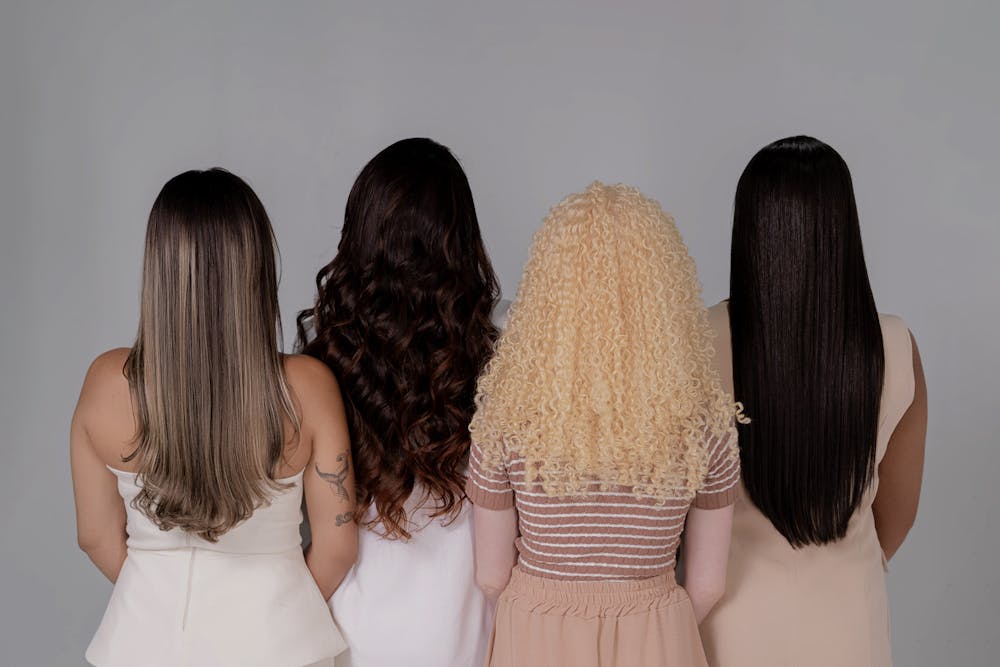
1. Halo Extensions Look Fake and Unnatural
This is probably the most common myth, and it stops a lot of people before they even give halo extensions a fair chance. The assumption is that any added hair will look obviously fake, like a costume piece rather than a natural part of your look. In reality, that outcome only happens with poor-quality products or the wrong shade match.
Modern halo hair extensions use high-quality human hair or carefully crafted synthetic blends that move, reflect light, and behave much like your own hair. When you pair a well-made set with the right color match, the result is genuinely hard to spot, even up close. Shoppers comparing Thathair halo extensions for everyday wear with options from Sitting Pretty or Hidden Crown will notice that the better brands all share the same hallmarks: multi-tonal shading, realistic density, and a natural fall that moves with your head. What gives away a fake isn’t the halo format itself but a mismatched shade or a shiny synthetic finish. Pick wisely on those two points, and no one around you will have a clue.
The key to a natural finish is simple: choose the right color and texture match. Most reputable sellers provide color-matching guides or swatches to help you find the closest match. Once the extensions are in and your own hair is laid over the wire, the two layers blend together so well that most people around you will not notice anything at all. The “fake look” myth applies to poorly matched extensions, not to halo extensions as a category.
2. The Wire Is Visible and Ruins the Look
A lot of people picture a thick, obvious wire sitting on top of their head like a headband. It is an understandable concern, but it is also completely inaccurate for any well-designed halo extension.
The wire used in halo extensions is thin, transparent, and designed to sit just below the crown of your head. Your natural hair falls over it, which means the wire is fully covered before you even add any styling products or effort. The wire does not press against your scalp in a way that creates a visible indent in your hair either, because the weight of the extensions is distributed evenly across the top of your head.
If you place the halo correctly, just below the crown and adjusted to the right circumference for your head size, the wire becomes invisible immediately. Most halo extensions also come with adjustable wires so you can customize the fit. A well-fitted halo sits securely without any bumps, gaps, or tell-tale lines. The idea that the wire will be noticeable is a myth that disappears the first time you actually try one on.
3. Halo Extensions Are Uncomfortable to Wear All Day
Some people assume that wearing anything extra on your head for a full day will inevitably lead to headaches, tension, or irritation. This concern makes sense if you have ever worn a tight ponytail or a heavy clip-in set for hours. But, halo extensions work on an entirely different principle.
Because the wire distributes weight across the top of your head rather than clipping or bonding to specific sections of hair, there is no concentrated pulling or pressure at any single point. The result is a wearable experience that most people describe as surprisingly light and comfortable. Many users forget they are wearing them at all after the first hour.
Of course, comfort also depends on fit. An overly loose halo will shift throughout the day, and an overly tight one may start to feel snug after several hours. The solution is straightforward: adjust the wire circumference until the halo sits snugly but not tightly. Once you find that sweet spot, all-day wear is genuinely comfortable for most people. Halo extensions are not a hair tool you tolerate. They are the ones you stop noticing.
4. Halo Extensions Damage Your Natural Hair
Hair damage is a legitimate concern for anyone who has dealt with the aftermath of glue-in, tape-in, or micro-bead extensions. Those methods attach directly to your natural hair, and over time, that attachment can cause breakage, thinning, and stress on the hair shaft. It is no surprise that people assume all extensions carry the same risk.
Halo extensions, but do not attach to your hair at all. The wire rests on your head, and your natural hair simply lies over it. There is no adhesive, no heat bonding, no clips tugging at individual strands. As a result, there is no mechanical stress placed on your hair throughout the day. You put them in, you take them out, and your natural hair remains untouched.
For people who are actively trying to grow their hair, recover from previous extension damage, or just protect the hair they have, halo extensions are one of the most hair-friendly options on the market. The only potential for damage comes from improper removal, but since halos lift off in seconds without tools, that risk is essentially zero. If you have avoided extensions because of damage concerns, halos are worth a second look.
5. Halo Extensions Are Too Difficult to Put In and Style
The idea that halo extensions require professional help or a steep learning curve keeps a lot of beginners away. It is true that some extension methods, such as tape-ins or fusion bonds, do require a stylist. But halo extensions were specifically designed for easy, at-home use.
The process takes fewer than two minutes once you have done it once or twice. You place the wire on your head, position it just below the crown, pull your natural hair over the top, and blend. That is it. No clips to fasten, no sections to separate, no heat tools needed for the application itself. Styling the extensions afterward follows the same rules as styling your own hair, and most high-quality halo extensions tolerate heat tools just as well as natural hair.
For beginners, a mirror and a few minutes of practice is all it takes to get comfortable with the placement. Within the first week of use, most people can put their halo in without looking at a tutorial at all. The myth that halos are complicated likely comes from confusion with other extension types. In practice, halo extensions are the simplest extension method available, which is a big part of why so many people make the switch.
Conclusion
Halo hair extensions are one of the most beginner-friendly, low-commitment ways to transform your hair. The myths around fakeness, visible wires, discomfort, damage, and difficulty simply do not hold up under scrutiny. Once you try a well-matched, properly fitted halo extension, it becomes clear why so many people describe it as the extension method they wish they had discovered sooner.
Leave a Reply