A backyard that looks great but never gets used is a missed opportunity, especially with kids in the mix. The goal isn’t to create an elaborate showpiece. It’s to build a space that pulls children outside again and again. With a bit of planning, having a backyard that your kids will want to spend time in is very achievable (regardless of the yard’s size).
1. Start with safety and visibility
Safety is always the starting point. Soft fall surfaces like grass, rubber mulch, or sand cushion falls in play areas and are worth prioritizing before anything else. If there’s a pool or water feature, secure fencing and gate alarms are non-negotiable. Beyond that, the layout itself matters. Being able to see the play area from the kitchen or back patio makes supervision easy and relaxed, which means parents can actually enjoy the space too.
2. Think about sun, shade, and shelter
Location and shade are often overlooked in the planning stage. A play area tucked into a shaded corner of the yard is going to get far more use than one baking in direct sun, particularly through summer. Shelter from wind helps too, making the space comfortable enough for kids to want to stay out there year-round rather than just when the weather is perfect.
3. Choosing the right equipment
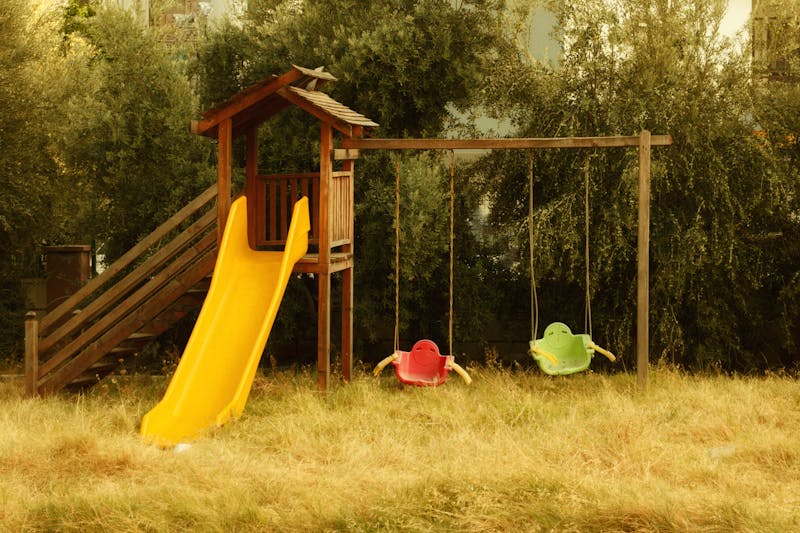
When it comes to equipment, swing sets for the backyard are one of the most consistent hits across all age groups. They support balance, coordination, and sensory development, and they get used to long after the novelty of other gear has worn off. The key is choosing modular options that can grow with the family, adding attachments or swapping out seats as kids get older rather than replacing the whole structure.
4. Mixing it up with variety
Variety keeps a backyard interesting. A nest swing appeals to kids who want to lie back and take it slowly. A climbing wall or some monkey bars suits the ones who want a physical challenge. A sandpit or gravel play area works brilliantly for younger kids with trucks and shovels. None of these needs to happen all at once. Starting with one or two good pieces and adding over time tends to work better than trying to do everything in one go.
5. Getting the surface right
The surface under and around the equipment is worth careful consideration. Natural grass works well for lower fall heights, but rubber tiles or wet-pour rubber surfacing are more durable options for areas that get heavy use. The right surface is determined by the equipment’s height, so it pays to check before installation rather than after.
6. Practical things that make a difference
Storage for outdoor toys, bikes, and play gear is one of those practical components that makes a big difference to how well a space functions day to day. A simple shed or storage box near the play area means less friction getting things out and put away, which keeps the yard looking good and keeps kids coming back.
7. Making room for adults, too
For parents who want the yard to work for the whole family, a shaded seating area or outdoor dining space near the kids’ zone makes it easy to be present without hovering. That balance between keeping an eye on things and having a space to relax is what makes a backyard genuinely family-friendly rather than just child-focused.
Where to find quality playground equipment?
Building a backyard that your kids will love requires some investment. You want playground equipment that is safe, durable, and future-proof so your kids can use it for a long time. If you need some direction for quality playground equipment, like the most epic swing sets for the backyard, go check out Vuly Play…they have it all! From swing sets to trampolines and jungle gyms. You can create a backyard utopia for your child and trust that it will last.
Final thoughts
The best backyards aren’t the most elaborate ones. They’re the ones with room to run, something interesting to climb or swing on, and enough freedom for kids to create their own games. That’s what keeps them outside.
Leave a Reply