Family costume planning can stall once comfort, sizing, weather, and character appeal all start competing. Toy Story solves much of that friction because the cast spans toddlers, teens, adults, and even pets. Each role carries a clear silhouette, which speeds up decisions. The lineup also mixes cowboy, space ranger, animal, and comic looks, so every person can land on a shape that feels wearable, familiar, and easy to manage through a full evening.
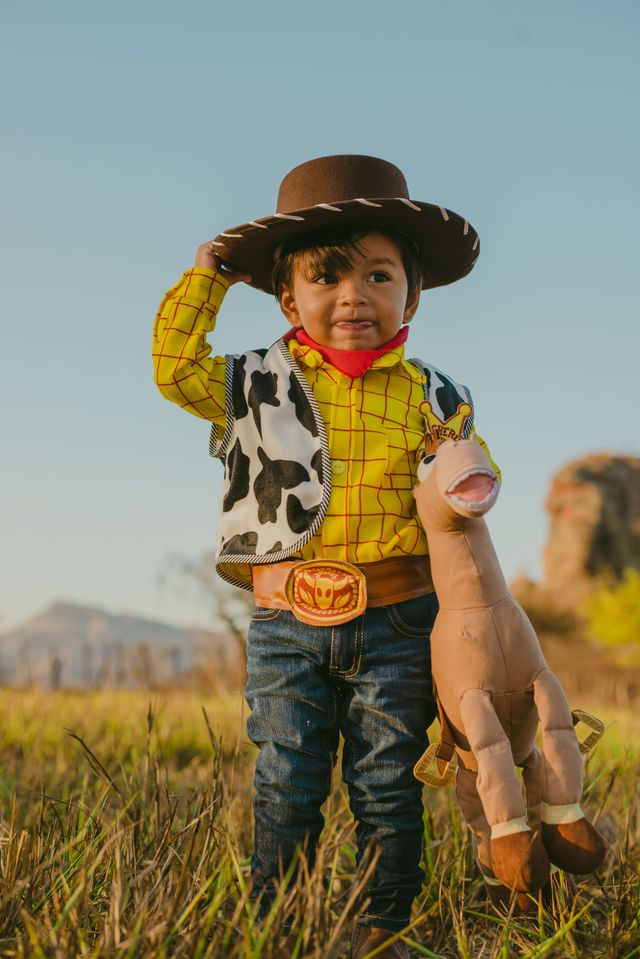
Image – Luis Zambrano
Why This Theme Works
Group themes succeed when the cast can stretch across ages, budgets, and movement needs without looking forced. Toy Story offers that range. Store categories usually include Woody, Buzz, Jessie, Rex, Bo Peep, aliens, Hamm, Zurg, and Potato Head styles. That spread gives families practical options. No one has to accept a role that pinches, overheats, blocks sight, or feels far outside personal taste.
Start With the Cast
A strong plan starts with people first, then characters. Many households compare family Toy Story costumes because the lineup covers simple favorites, comic side parts, and pet-ready choices in one place. That breadth eases decision fatigue for mixed-age groups. It also keeps the theme visually linked, even when one child wants Buzz while another feels far more at home as Jessie or an alien.
Match Roles by Age
Soft, recognizable looks usually work best for toddlers, especially Buzz, Woody, Jessie, or an alien. Older children often enjoy larger shapes like Rex or Bullseye. Adults can handle statement pieces, including Hamm, Zurg, or Slinky Dog. Pets also fit neatly into the cast. That range keeps the set coordinated while preserving stride length, peripheral vision, and general comfort during long walks or crowded indoor parties.
Use the Numbers
A category with 169 listed items suggests unusual depth for one theme. Visible pricing also helps with planning. Entry options can sit near $14.99, while premium designs climb to $149.99. Many choices appear in the middle, around $49.99 to $89.99. Families can map spending early, compare tradeoffs clearly, and avoid last-minute swaps after one standout costume pushes the full total too high.
Pic – Karen Irala
Build Around Core Pairs
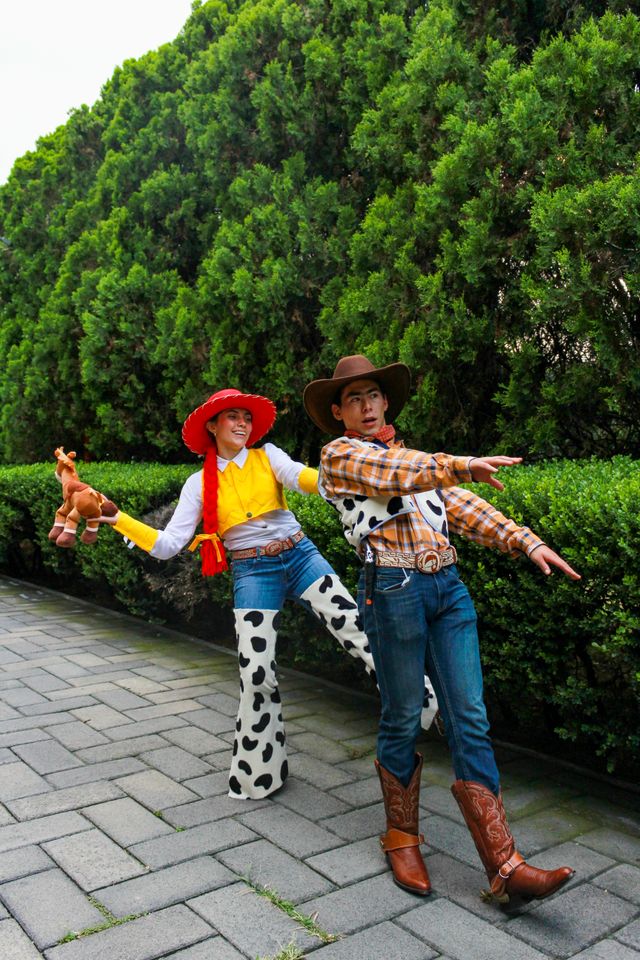
Most group plans become easier once two central characters are locked in. Woody and Buzz remain the clearest foundation because their colors, shapes, and cultural recognition are so strong. Jessie pairs smoothly with either lead. After that, side characters can fill out the frame. This method keeps the lineup readable in photos, parades, and neighborhood events where fast recognition helps the concept register instantly.
Keep Fit Practical
A costume can look excellent on a hanger and fail within twenty minutes outside. Dragging hems, blocked sightlines, stiff headpieces, and bulky frames change the night quickly. Active children usually do better in lighter outfits first. Oversized shapes often suit adults who need fewer pauses. Pet looks should stay brief and gentle. Comfort-based planning protects the theme and reduces costume removal halfway through the event.
Indoor Events
Indoor parties usually reward lighter fabrics and fewer layers. A Woody vest, Jessie dress, or alien suit often feels easier than heavy padding in a warm room. Heat buildup can turn an appealing costume into a nuisance. Short wear time helps, though breathable construction still matters. Planning for temperature before arrival cuts down on fidgeting, complaints, and early costume removal during the busiest part of the gathering.
Outdoor Routes
Outdoor trick-or-treat routes need room for jackets, walking shoes, and shifting weather. Buzz, Woody, and Jessie styles often adapt well because extra layers can hide underneath. Inflatable looks may struggle in wind or on tight sidewalks. A quick movement test before the event pays off. That small check helps prevent stumbles, keeps younger children calmer, and preserves a cleaner group appearance after several blocks.
Let Personality Lead
Some family themes lose energy when visual unity outweighs individual comfort and temperament. Toy Story has enough variety to avoid that problem. A quieter child may prefer Bo Peep or an alien. A playful adult might lean toward Rex or Hamm. Someone who enjoys drama may choose Zurg. When each person fits the role naturally, the whole group usually looks stronger, steadier, and more convincing.
Make Photos Easier
Toy Story photographs well because the palette does much of the work. Yellow, blue, green, red, and cow-print details separate characters without extra props. Families can line up by height, then place the broadest shapes near the ends. That arrangement improves balance in portraits. It also keeps smaller children visible, instead of letting them disappear behind taller bodies or larger costume structures.
Conclusion
Family costume planning works best when the theme offers clear identities, flexible sizing, and a realistic price spread. Toy Story delivers each of those advantages through recognizable characters that suit different ages, comfort needs, and personalities. The smartest approach starts with the core cast, matches roles to real movement demands, and keeps wearability central. That process turns group coordination into a manageable, photo-ready decision instead of a seasonal headache.
Leave a Reply