Hair loss rarely has one neat explanation. Genetics remain a major factor, with more than 50 percent of adults expected to experience androgenetic alopecia during their lifetime. Yet inherited pattern hair loss is only part of the picture. Illness, rapid weight loss, disrupted sleep, and prolonged stress may also affect the normal hair-growth cycle.
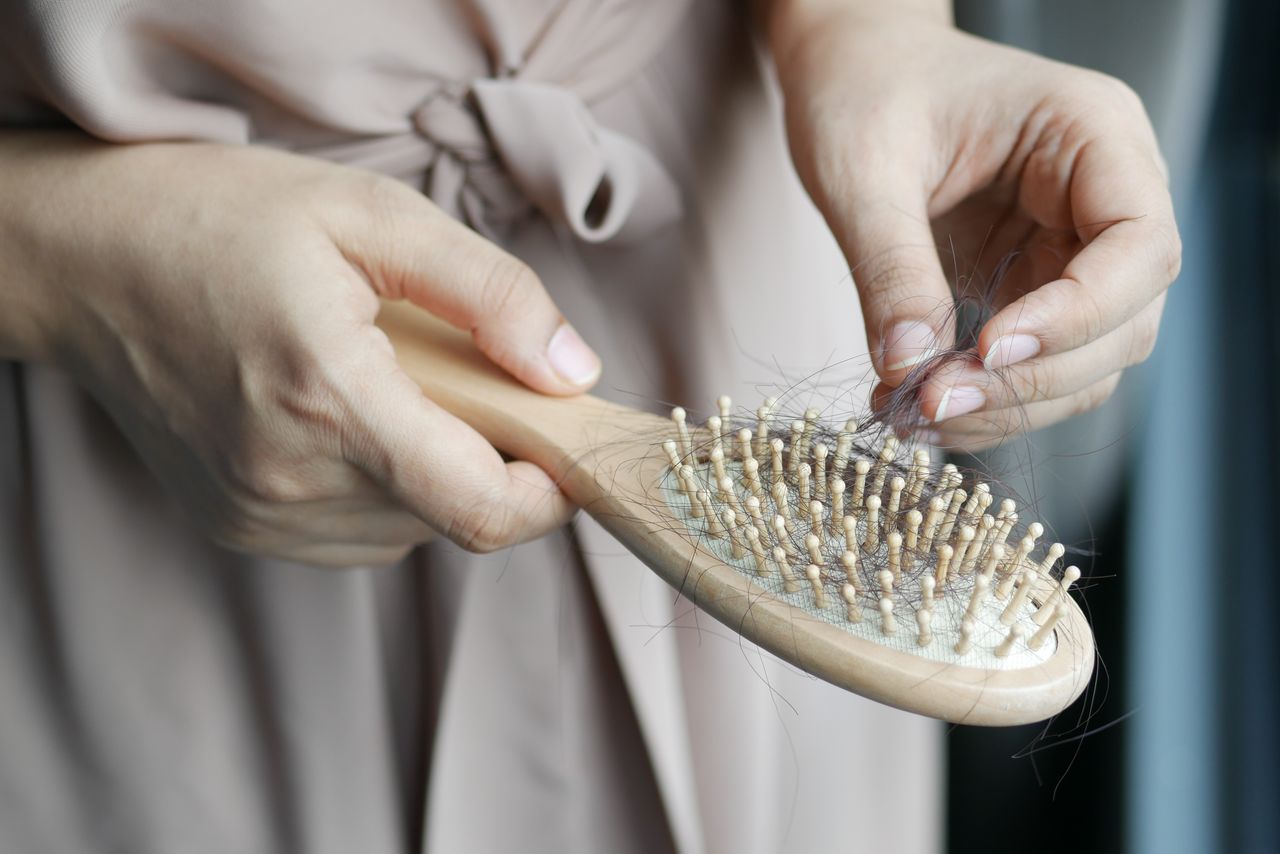
That range of possible triggers matters because there is no single treatment that suits every form of shedding. The most sensible approach is to identify what may be driving the change, address modifiable factors, and then consider targeted therapies. Established options such as minoxidil and LED light now sit alongside newer formulations containing exosomal proteins.
Begin by investigating recent changes
The timing of hair loss can offer useful clues. Some people notice greater shedding after an illness or another period of physical strain. Researchers have reported that COVID-19 may trigger hair loss as a response to physiological stress, for example.
Rapid or significant weight loss can place a similar burden on the body and disrupt the hair-growth cycle. Hair loss has also been discussed as a rare potential side effect among people taking semaglutides for weight reduction. This does not necessarily mean the medication acts directly on the follicles. The physical stress of losing weight quickly may help explain it.
Emotional and occupational pressure should not be dismissed either. Working from home has reduced commuting for many professionals, but it has not removed the expectation of being constantly available. A Cigna survey found that 84 percent of employees felt stressed. According to New York dermatologist and Weill Cornell Medicine clinical professor Dr. Neil Sadick, the profile of patients seeking help for thinning hair has changed significantly as stress and lifestyle pressures have increased.
These factors can overlap. Someone may be genetically susceptible to hair loss while also experiencing poor sleep, illness, or dietary disruption. For that reason, choosing a treatment based only on the visible symptom may overlook an important part of the problem.
Support the conditions hair needs
Lifestyle changes cannot override every genetic or hormonal influence, but they may help create a more favorable environment for growth. Protein and essential fatty acids are both needed to support hair production. If eating habits have changed during a period of weight loss or stress, reviewing nutritional intake is a reasonable starting point.
Sleep deserves similar attention. Research has identified a correlation between poor sleep and hair loss, although a correlation does not establish that sleep disruption is the sole cause. Improving rest may still form part of a broader response, particularly when shedding appears alongside sustained stress.
A general practitioner can help assess whether diet, sleep, or another health issue may be contributing and suggest an appropriate course of action. This is especially useful when hair loss develops suddenly, follows a major physical change or continues without an obvious explanation.
Consider established and emerging treatments
Minoxidil and LED light are among the more familiar therapies for hair loss. More recently, interest has turned to exosomes, naturally occurring particles that allow cells to communicate with one another. Scientists have explored whether exosomal proteins can be used to reduce shedding and encourage regrowth.
One commercial example is the Calecim Professional Advanced Hair System, a six-week program formulated with PTT-6. This proprietary ingredient is designed to support hair growth by activating follicles and managing signs of inflammation associated with shedding.
Dr Sadick uses the system in his practice and describes PTT-6 as a option for patients seeking an alternative to established therapies such as LED light and minoxidil. Newer approaches should be considered according to the available evidence and individual circumstances.
A 12-week study of cord-lining mesenchymal stem cell exosomal proteins reported improved hair growth. Participants also described less need to conceal their hair and a better quality of life in relation to hair loss. These findings suggest that the benefits under examination extend beyond follicle activity, since visible thinning can also affect confidence and daily behavior.
Treat personal results as personal
Individual experiences illustrate how a treatment is used. Beauty journalist and Tweakments Guide founder Alice Hart-Davis tried the Calecim system at 61 after experiencing hormone-related thinning around her temples and parting.
After applying the treatment twice weekly for four weeks, she reported noticing baby hairs in areas that had previously appeared bare. That early change encouraged her to continue.
The rate and extent of improvement can differ according to the cause of hair loss, the condition of the follicles, and the consistency of use. Anecdotal results are best considered alongside clinical findings and professional advice.
Match the response to the trigger
The best hair loss treatment is not necessarily the newest product or the most intensive intervention. It is the option that makes sense for the likely cause. Hair shedding linked with rapid weight loss may call for a review of nutrition and the pace of physical change. Poor sleep and persistent stress may require wider lifestyle support. Genetic or hormone-related thinning may prompt discussion of established therapies or newer exosome-based formulations.
It is also worth allowing enough time to assess progress. The Calecim program runs for six weeks, while related research examined outcomes over 12 weeks.
Hair loss may be common, but that does not make it trivial. It can alter how people present themselves and how they feel about their appearance. A measured response begins with the cause, uses evidence to narrow the options, and keeps expectations realistic. When lifestyle improvements and targeted treatment are brought together thoughtfully, people have a clearer basis for deciding what deserves their time, consistency, and trust.
Leave a Reply