Yes, birth injuries can cause caput succedaneum, especially when a baby experiences prolonged pressure on the scalp during labor and delivery. This condition usually appears as swelling on a newborn’s head shortly after birth and is often linked to difficult or assisted deliveries.
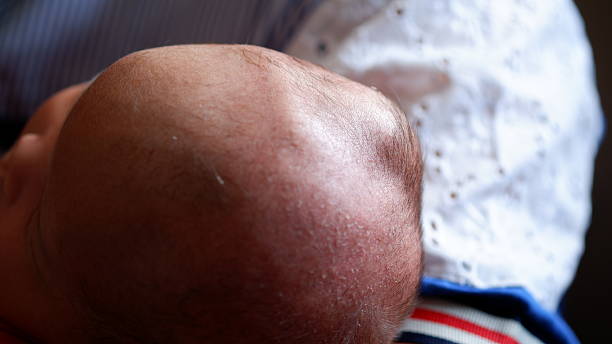

While caput succedaneum is commonly temporary and harmless, some cases may be connected to delivery complications or medical negligence. Understanding the causes and symptoms of caput succedaneum can help parents recognize when the condition is normal and when additional medical attention may be necessary.
For many new parents, seeing swelling on a baby’s head can be frightening. In most cases, the condition improves within a few days without long-term problems. However, severe birth trauma or improper delivery techniques can sometimes increase the risk of complications.
What Is Caput Succedaneum?
Caput succedaneum is swelling of a newborn baby’s scalp caused by pressure during delivery. The swelling usually develops when the baby’s head presses against the mother’s cervix or birth canal for an extended period of time during labor.
The condition typically
- Appears as soft swelling on the scalp
- Crosses the natural suture lines of the skull
- Is visible shortly after birth
- Improves within a few days
Caput succedaneum is different from more serious birth injuries because it generally affects only the soft tissues of the scalp rather than the skull or brain.
How Birth Injuries Can Lead to Caput Succedaneum
Birth injuries and delivery complications can increase the chances of a newborn developing caput succedaneum.
Some common factors include:
Prolonged Labor
Long or difficult labor may place constant pressure on the baby’s head for many hours. This pressure can lead to fluid buildup and swelling in the scalp tissues.
Assisted Deliveries
Medical tools such as forceps or vacuum extractors are sometimes used to help deliver a baby. While these tools can be necessary during emergencies, improper use may increase pressure on the baby’s head and contribute to scalp injuries.
Premature Rupture of Membranes
When the amniotic sac breaks early, the cushioning fluid around the baby may decrease. This can expose the baby’s head to greater pressure during labor.
Large Birth Weight
Babies with higher birth weights may experience more pressure while moving through the birth canal, especially during difficult deliveries.
Although caput succedaneum itself is usually mild, the circumstances causing it may sometimes point to delivery-related trauma.
Common Symptoms of Caput Succedaneum
The most noticeable symptom is swelling on the baby’s scalp.
Other signs may include:
- Puffy or soft areas on the head
- Bruising or discoloration
- Tenderness on the scalp
- Swelling that crosses skull bone lines
The swelling may look alarming at first, but it often decreases naturally within several days after birth.
Is Caput Succedaneum Dangerous?
In most cases, caput succedaneum is not dangerous and resolves without treatment. Doctors usually monitor the baby to ensure the swelling improves over time.
However, complications can occasionally happen if the birth injury is severe or linked to other medical issues.
Possible complications may include:
- Jaundice caused by bruising
- Infection in rare cases
- Additional head injuries
- Underlying skull trauma
If a baby shows unusual symptoms such as seizures, breathing problems, or extreme lethargy, doctors may order further testing to rule out more serious injuries.
When Medical Negligence May Be Involved
Not all birth injuries are caused by medical negligence. Childbirth can involve natural risks even when healthcare providers act appropriately.
However, negligence may become a concern if medical professionals fail to follow accepted standards of care during labor and delivery.
Examples may include:
- Delayed emergency C-section
- Improper use of forceps or vacuum extractors
- Failure to monitor fetal distress
- Poor communication during labor
- Failure to respond to delivery complications quickly
When preventable mistakes harm a newborn, parents may have legal options under state medical malpractice laws.
Legal Protections for Families
Medical providers in the United States are expected to deliver care that meets professional standards. If negligence during childbirth causes injury, hospitals or healthcare providers may be held legally responsible.
For example:
- 42 U.S. Code § 11101 addresses healthcare quality and medical accountability.
- State medical malpractice laws often establish deadlines, known as statutes of limitations, for filing birth injury claims.
These laws vary by state, which is why many families seek legal advice after a serious birth complication.
What Parents Should Watch For
Parents should carefully monitor their baby after birth and report unusual symptoms to a doctor immediately.
Warning signs may include:
- Swelling that worsens
- Feeding difficulties
- Excessive sleepiness
- Fever
- Breathing problems
- Persistent crying
Although caput succedaneum usually heals on its own, prompt medical attention can help detect more serious issues early.
Key Takeaways
- Caput succedaneum is swelling on a newborn’s scalp caused by pressure during labor and delivery.
- Difficult labor, prolonged delivery, and assisted births may increase the risk.
- The condition is usually temporary and improves within a few days.
- Severe delivery complications may sometimes point to birth trauma or medical negligence.
- Parents should monitor babies closely for unusual symptoms after birth.
- Laws such as 42 U.S. Code § 11101 and state malpractice laws may protect families in cases involving negligence.
Leave a Reply