Walk into any grocery store today and you’ll see protein everywhere. Shakes, bars, powders, even snacks that didn’t used to care about protein now proudly advertise it on the label. Somewhere in that mix, pea protein has quietly gained ground. Not loudly, not with flashy marketing, but steadily.
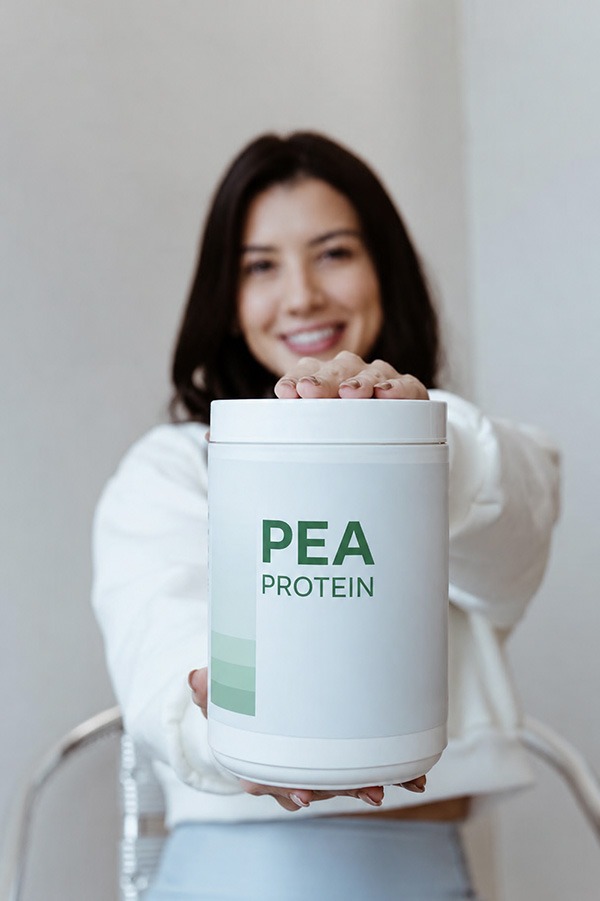
Pic – Jonathan Borba
At first glance, it might seem like just another plant-based option. But there’s a reason it keeps showing up in conversations about sustainability. It’s not just about nutrition. It’s about how it’s grown, processed, and how it fits into a much larger system that people are starting to pay attention to.
So if you’ve ever wondered why pea protein gets labeled as one of the more sustainable choices, it comes down to a few key factors that go beyond the usual health claims.
It starts with how peas grow
Peas are surprisingly efficient crops. They don’t demand much, especially when compared to other protein sources.
One of their biggest advantages is nitrogen fixation. In simple terms, pea plants naturally pull nitrogen from the air and convert it into a form that enriches the soil. That means farmers don’t need to rely as heavily on synthetic fertilizers.
And that matters. Fertilizer production and use contribute significantly to greenhouse gas emissions. So when a crop reduces that dependency, even partially, it shifts the environmental equation in a meaningful way.
There’s also crop rotation to consider. Peas are often used between other crops to improve soil health. This makes farming systems more balanced and less dependent on chemical inputs over time.
Water use stays relatively low
Water is one of those resources that doesn’t get enough attention until it becomes scarce. Agriculture consumes a large portion of it globally, so efficiency here is critical.
Pea protein has a relatively low water footprint compared to animal-based proteins like beef or dairy. Even when compared to some plant proteins, peas tend to perform well.
They grow in temperate climates and often rely more on natural rainfall than intensive irrigation. That doesn’t mean zero water use, of course, but the demand is manageable.
For regions already dealing with water stress, this becomes an important factor. Choosing crops that don’t strain local water supplies can make a noticeable difference over time.
Lower greenhouse gas emissions
Protein sources vary widely in their carbon footprint. Animal agriculture, especially beef production, tends to sit at the higher end of the spectrum.
Pea protein, by contrast, produces significantly fewer greenhouse gas emissions. There’s no methane from livestock, no feed conversion inefficiencies, and generally less energy required throughout the production chain.
Even processing plays a role here. Extracting protein from peas is relatively straightforward compared to some other sources. Less processing often translates to lower energy consumption, though this can vary depending on the facility.
It’s not a perfect system, but the overall emissions profile is clearly lower than many alternatives.
Land use is more efficient
Land is a finite resource, and how it’s used matters.
Producing animal protein typically requires large areas, not just for raising livestock but also for growing feed crops. This multiplies the land requirement significantly.
Peas, on the other hand, provide a more direct route from plant to protein. They require less land per unit of protein produced, which helps reduce pressure on ecosystems.
This also ties into deforestation concerns. When demand for land increases, forests often pay the price. Crops that use land more efficiently can help ease that pressure, even if only incrementally.
Processing is relatively straightforward
Some plant-based proteins go through heavy processing to achieve the desired texture or taste. That can increase energy use and complicate the sustainability picture.
Pea protein is not completely untouched, but its processing is fairly straightforward. The protein is extracted, dried, and refined into powders or isolates.
This simplicity helps keep resource use in check. It also makes the supply chain easier to manage, which can reduce waste and inefficiencies.
Of course, not all products are equal. Some highly processed foods that include pea protein may offset these benefits. It depends on the final product and how it’s made.
This simplicity also makes it easier to maintain consistency across batches, which is important for manufacturers and brands. Working with a reliable pea protein supplier can help ensure quality, traceability, and steady supply without introducing unnecessary complexity into the production process.
Nutritional value still holds up
Sustainability doesn’t mean much if the food doesn’t deliver nutritionally. Fortunately, pea protein performs well here too.
It contains all nine essential amino acids, though it’s slightly lower in methionine. For most people, especially those with varied diets, this isn’t a major issue.
It’s also easy to digest and free from common allergens like dairy or soy. That makes it accessible to a wider range of people, which is often overlooked in sustainability discussions.
After all, a sustainable protein source should be one that people can actually use consistently.
It fits into a broader shift
Pea protein isn’t the only sustainable option out there, but it fits neatly into a larger movement toward plant-based eating.
As more people look to reduce their environmental impact, even small dietary shifts can add up. Replacing some animal-based proteins with plant-based ones is one of the more practical steps.
Pea protein works well in this context because it’s versatile. It shows up in shakes, meat alternatives, baked goods, and more. That flexibility makes it easier for people to adopt without completely changing their habits.
Final thoughts: practical sustainability matters
Sustainability can sometimes feel abstract. Big concepts, big numbers, and not always clear how individual choices fit in.
Pea protein offers a more practical angle. It’s not perfect, but it checks several important boxes. Lower emissions, efficient land use, manageable water needs, and relatively simple processing.
That combination makes it one of the more balanced options available today.
And maybe that’s the point. Not finding a perfect solution, but choosing options that consistently do better across multiple areas.
Leave a Reply