In the United States, approximately 12.8 percent of children age 18 and younger have special needs. This includes conditions like autism, Asperger’s, and down syndrome.
For children with special needs, the sooner they can be diagnosed by a medical professional, the easier it is for them to get the treatment they need to feel their best and enjoy a high quality of life. Listed below are 7 of the most common signs of special needs that parents ought to watch for.
- Missing Developmental Milestones
One of the earliest warning signs that a child has special needs is missing development milestones. There are specific actions and behaviors that children should be able to practice when they reach certain ages.
For example, at 2 months, a baby should be starting to smile at others or following things with their eyes. At 1 year, they should be able to play simple games (such as peek-a-boo) and pull themselves up to a standing position.
If a child is missing several developmental milestones, that can be an indicator that they have a disability and need to see a doctor for an autism evaluation.
- Difficulty Focusing and Controlling Impulses
All children have trouble focusing or practicing impulse control from time to time. However, if a child seems to never be able to focus or is extremely hyperactive in a wide range of settings, there’s a chance that they have Attention-Deficit Hyperactive Disorder (or ADHD). This is one of the most important early signs of a learning disability and needs to be addressed as soon as parents or teachers notice persistent challenges. Consulting with qualified pediatric specialists ensures that the child receives proper evaluation and tailored support options.
Children who have ADHD may have a hard time keeping up in school because they’re more easily distracted or have trouble sitting still. With proper accommodations, though, they can perform on par with, if not ahead of, their peers.
- Difficulty Making Eye Contact and Responsiveness
Most children start making eye contact at a young age (around 6-8 weeks). Their visual perception and communication also become more advanced around 16 weeks.
If a child is having trouble making eye contact after they’ve passed this point, this could be an indicator that they’re dealing with Autism Spectrum Disorder (ASD) or another disability.
Children with autism tend to struggle to make eye contact, and they may also show a lack of responsiveness to others. For example, they may not smile, speak, or respond to their name.
Autism Spectrum Disorders range greatly in severity, and it’s important to work with a team of doctors and therapists to provide your child with adequate support, especially if their symptoms fall on the more severe end.
- Difficulty Speaking
Children with Autism Spectrum Disorder often have trouble speaking. They may not start speaking at the same time as their peers, for example, or they may not speak at all.
Difficulty speaking can also be an indicator of various phonemic awareness-based learning disabilities. These disabilities can be seen in very young children who have trouble pronouncing words, rhyming, or handling other language skills that kids their age are capable of.
Children who have a family history of reading or writing challenges should also be closely monitored when they reach preschool or kindergarten age. They may be more likely to struggle with these issues and will need extra support. An adhd preschool with an inclusive learning environment may be a better choice for them.
- Difficulty Reading and Spelling
As they get older and start attending school, some children may have a difficult time reading, pronouncing words, and spelling words correctly. In some cases, this can be a sign of dyslexia, a disability that affects a person’s ability to consistently link written words and letters with the sounds they make.
Dyslexia does not affect a person’s intelligence, but it can make reading very challenging. It may be characterized by late talking, being slow to learn new words, and a delay in learning how to read.
- Difficulty Understanding Lessons or Retaining Information
Some children struggle with learning disabilities. This, in turn, makes it hard for them to understand school lessons or retain information as it’s relayed to them.
Some signs that a child is dealing with a learning disability include not being able to recognize letters, not being interested in reading or writing, not understand instructions, or having difficulty holding and writing with a pencil. This challenges may also be accompanied by difficulty sitting still or staying focused.
- Poor Muscle, Speech, and Vision Control
Cerebral palsy is a brain disorder that affects coordination, movement, and posture. It often is not diagnosed until a child is age 2 or older.
One of the most common warning signs of cerebral palsy is missing key developmental milestones like sitting up, holding up one’s head, and crawling. Difficulties with speaking and vision are common, too.
How to Support a Child with Special Needs
Do any of these warnings signs stand out to you? Do you suspect your child has special needs? If so, it’s important to consult their pediatrician right away.
If your child is diagnosed with autism, dyslexia, cerebral palsy, or any other type of disability, their pediatrician can refer you to other professionals who can help them (and you) manage their condition and overcome many of the challenges they’re facing. This list includes speech therapists, occupational therapists, physical therapists, and specialists who train psychiatric service dogs to assist with anxiety, sensory overload, or emotional regulation, as well as private tutors and in-home caregivers.
As a parent to a child with special needs, it’s also important to advocate for your child when they start attending school. Learn all you can about their condition and encourage their teachers to have a look at various resources as well. This ensures everyone is on the same page and makes it easier to create a game plan to give your child the support and attention they need.
Do You Suspect You Have a Special Needs Child?
Children with special needs often can and do lead healthy, happy, and productive lives. The key is getting them the support they need sooner rather than later. Learn how early identification, specialized services, and family-centered support can enhance developmental outcomes, independence, and quality of life.
If, after reading through the signs listed above, you suspect your child has special needs, reach out to a healthcare professional right away. They can perform the proper tests and refer you to other professionals for a more complete diagnosis.
In the meantime, if you want to learn more about caring for and supporting a child with special needs, check out these books that many parents have found supportive.
-
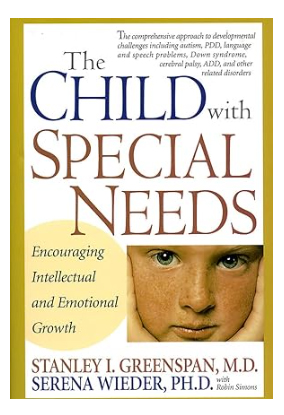
- The Child With Special Needs: Encouraging Intellectual and Emotional Growth
-

- Becoming a Seriously Happy Special Needs Mom: 21 Steps to Finding Your Happy Place
-
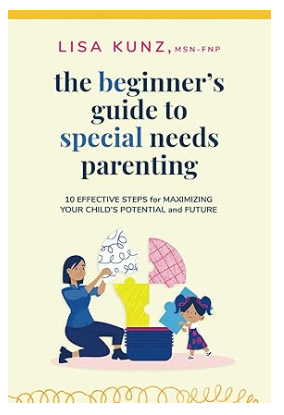
- The Beginner’s Guide to Special Needs Parenting: 10 Effective Steps for Maximizing Your Child’s Potential and Future
Leave a Reply