School safety hazards are physical conditions or supervision failures that put students at risk of injury. They range from broken playground equipment to unmarked wet floors, and they exist in schools across the country every single day.
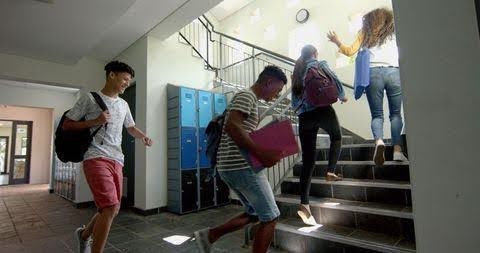
When a school knows about a hazard and fails to fix it, that is where legal responsibility begins. Dangerous items in school and poorly maintained spaces are among the most common reasons students suffer injuries that could have been prevented.
Not every accident means someone was negligent. But many school injuries trace back to conditions that were reported, ignored, or simply never inspected.
Physical Hazards Inside School Buildings
The inside of a school building carries more risk than most people expect. Deferred maintenance and crowded spaces create conditions where accidents happen.
Common Interior Hazards
- Wet floors without warning signs
- Broken or loose stair handrails
- Cracked tiles or lifting carpet edges
- Poorly lit hallways and stairwells
- Unsecured furniture or shelving in classrooms
Under premises liability law, schools must maintain reasonably safe conditions for students. When a known hazard is left unrepaired, the school can be held legally responsible for any resulting injury.
Outdoor and Playground Dangers
Playgrounds see heavy daily use. They are also one of the most common sites for student injuries.
What Makes Outdoor Spaces Risky
Uneven pavement, rusted equipment, and poor drainage all create real hazards. Inadequate fall zones beneath climbing structures are a leading cause of serious falls. The Consumer Product Safety Commission estimates that emergency rooms treat over 200,000 playground-related injuries among children each year.
Regular inspections and proper surface maintenance reduce outdoor injury risk significantly. When schools skip those steps, serious injuries become far more likely.
Science Labs and Vocational Shops
Hands-on learning environments carry a higher level of baseline risk. That risk rises sharply when safety protocols are skipped or equipment is poorly maintained.
Chemical and Lab Hazards
- Open flames, chemicals, and glassware require strict handling procedures.
- Students must have proper protective gear before any lab activity.
- Federal OSHA guidelines inform best practices for school lab safety.
Shop and Trade Classroom Risks
Power tools and machinery require close supervision at all times. A missing safety guard or a distracted teacher can result in lacerations, burns, or permanent injury. Schools must ensure all equipment works properly and that students are trained before use.
Cafeteria and Common Area Hazards
Cafeterias, gyms, and hallways are high-traffic areas. They are also frequently overlooked in school safety planning.
Where Injuries Happen Most Often
Spilled food and liquids in cafeterias create slip hazards that lead to falls and fractures. Gym floors that are not properly maintained cause collisions and ankle injuries during physical education. Crowded hallways in older buildings, without enough space for student movement, are a regular source of pushing injuries and falls.
Legitimate Safety Concern vs. Negligence
Not every school injury means the school was negligent. The difference comes down to what the school knew and when.
A hazard becomes negligence when three things are true:
- The school knew about the problem.
- They had a reasonable chance to fix it.
- They did nothing.
A student tripping over a crack reported three times is very different from tripping over one that appeared that same morning. That distinction is what separates an unfortunate accident from a preventable injury with real legal consequences.
Key Takeaways
- School safety hazards include broken equipment, slippery floors, poor lighting, and inadequate supervision.
- Schools have a legal duty under premises liability law to keep students reasonably safe.
- Playgrounds account for over 200,000 emergency room visits per year and need consistent inspection.
- Science labs and vocational shops carry an elevated risk when supervision or safety protocols fall short.
- Cafeterias and gyms are high-traffic spaces that are often overlooked in routine safety planning.
- Negligence occurs when a school knew about a hazard, had time to act, and chose not to.
- Documenting reported hazards is important when pursuing any injury claim involving school property.
Leave a Reply