Building your first home is exciting, but it can also feel a bit overwhelming. There’s a moment early on when everything shifts from ideas and sketches to actual materials, deliveries, and decisions that cost real money. That’s usually when the question hits: what do I actually need to build this place properly?
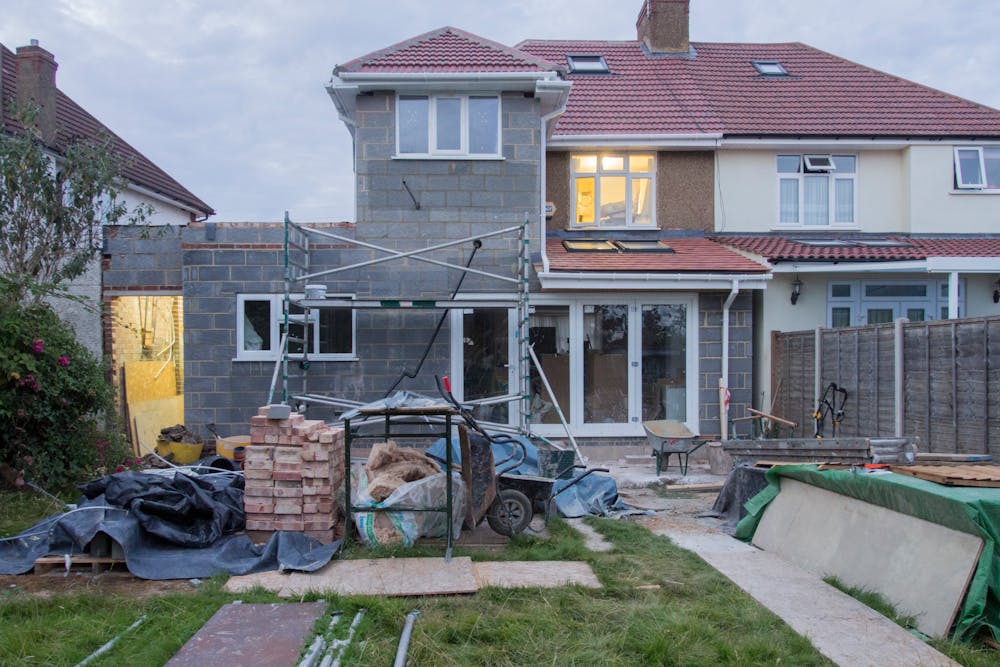
Image – Brett Jordan
It’s easy to get lost in finishes and aesthetics. Paint colors, tiles, fixtures. But the real foundation of a home, literally and structurally, comes down to the core building supplies. Get those right, and everything else becomes easier. Get them wrong, and small issues can turn into expensive problems later.
That’s also the stage where sourcing reliable building materials becomes critical. The quality and consistency of what you bring to the site can shape how smoothly the entire project moves forward.
So instead of chasing trends or overthinking the details too early, it helps to understand the essential materials that every first-time builder should prioritize.
Cement and concrete: the backbone of everything
Let’s start with the obvious one. Cement and concrete form the structural base of your home. Foundations, columns, slabs. This is where strength begins.
You’ll likely work with ready-mix concrete for convenience, especially if you’re building in an urban or semi-urban area. It saves time and ensures consistency. But even then, understanding the mix matters. Too much water, for instance, weakens the structure over time.
Quality matters here more than anywhere else. Cutting costs on cement is one of those decisions that seems harmless early on but can come back years later in the form of cracks or structural issues.
Bricks or blocks: choosing your walls wisely
This is where regional preferences come into play. In many parts of India, traditional clay bricks are still widely used. They’re reliable and familiar to most contractors.
Concrete blocks, on the other hand, are gaining popularity. They’re larger, which speeds up construction, and they tend to offer better thermal insulation. That can make a noticeable difference in indoor comfort, especially in warmer climates.
There’s no universal right choice here. It often comes down to availability, budget, and what your builder is comfortable working with. But it’s worth asking questions. Wall material affects everything from temperature control to long-term maintenance.
Steel: the hidden strength
You won’t see much of it once the house is finished, but steel plays a critical role in holding everything together. Reinforcement bars, often called rebars, are embedded within concrete to improve tensile strength.
This is not an area to compromise. Low-quality steel can weaken the entire structure. It’s also important to ensure proper placement and binding during construction. Even good materials can fail if used incorrectly.
If you’re new to this, it might feel overly technical. But a quick conversation with your engineer or contractor about steel grades and placement can go a long way.
Sand and aggregates: small materials, big impact
Sand doesn’t sound exciting, but it’s everywhere. It’s used in concrete, plastering, and masonry work. The quality of sand affects bonding strength and finish.
River sand has traditionally been preferred, but due to environmental restrictions, manufactured sand is becoming more common. When sourced properly, it performs well. The key is consistency and cleanliness.
Aggregates, which include gravel and crushed stone, are equally important. They provide bulk and strength to concrete. Poor-quality aggregates can lead to weak mixes, even if the cement is good.
Wood and plywood: structure meets finish
Even in homes that rely heavily on concrete and steel, wood still plays a role. Doors, window frames, cabinetry, and sometimes roofing elements depend on it.
For structural uses, hardwoods are typically preferred because of their durability. For interiors, plywood and engineered wood products are more common. They’re cost-effective and versatile.
One thing first-time builders often overlook is moisture resistance. In humid regions, untreated wood can warp or deteriorate over time. So it’s worth investing in treated or laminated options where needed.
Roofing materials: more than just protection
The roof does more than keep rain out. It affects insulation, energy efficiency, and even the overall look of your home.
Concrete slabs are standard in many builds, but additional materials like waterproofing layers and insulation boards are just as important. Skipping these can lead to heat buildup or leakage issues later.
In some designs, you might also consider tiles or metal sheets for specific sections. These can add both function and visual interest, depending on how they’re used.
Plumbing and electrical basics: plan early, not later
These aren’t always thought of as “building supplies” in the traditional sense, but they’re essential from day one.
Pipes, fittings, wiring, conduits. These elements are embedded within walls and floors, so they need to be planned before construction progresses too far. Changing them later is not just difficult, it’s expensive.
It’s also worth choosing good-quality materials here. Cheap wiring or low-grade pipes can lead to safety issues or frequent repairs. This is one area where reliability matters more than saving a small amount upfront.
Finishing materials: where personality comes in
Once the structure is in place, finishing materials start to take over. Tiles, paint, fixtures, fittings. This is where the house begins to feel like your home.
It’s tempting to focus heavily on this stage, and that’s understandable. These are the visible elements. But they should come after the essentials are handled properly.
A well-built home with simple finishes will always outperform a poorly constructed one with expensive décor.
Final thoughts: focus on the essentials first
Building your first home doesn’t require knowing everything. But it does require knowing what matters most.
Cement, steel, bricks, sand. These aren’t glamorous, but they form the core of your house. Getting these right creates a solid foundation, both structurally and financially.
Once that’s in place, the rest becomes easier. You can experiment with finishes, adjust designs, and make the space your own without worrying about underlying issues.
Take your time with the basics. Ask questions. Stay involved in the process. Because in the end, a well-built home isn’t just about how it looks. It’s about how well it holds up over time.
Leave a Reply