Parents want clothes that feel good on a child’s skin and also hold up to daily use. Linen stands out because it comes from flax, a natural plant fiber that feels soft, light, and smooth. It suits warm days and active routines without heavy layers.
Linen clothing is a thoughtful choice for kids’ wardrobes because it offers comfort, durability, and a lower impact on the environment in one simple fabric. It allows air to pass through, pulls moisture away from the skin, and dries fast, so kids stay cool and at ease. In addition, linen fibers stay strong through regular wear and washing, which helps each piece last longer.
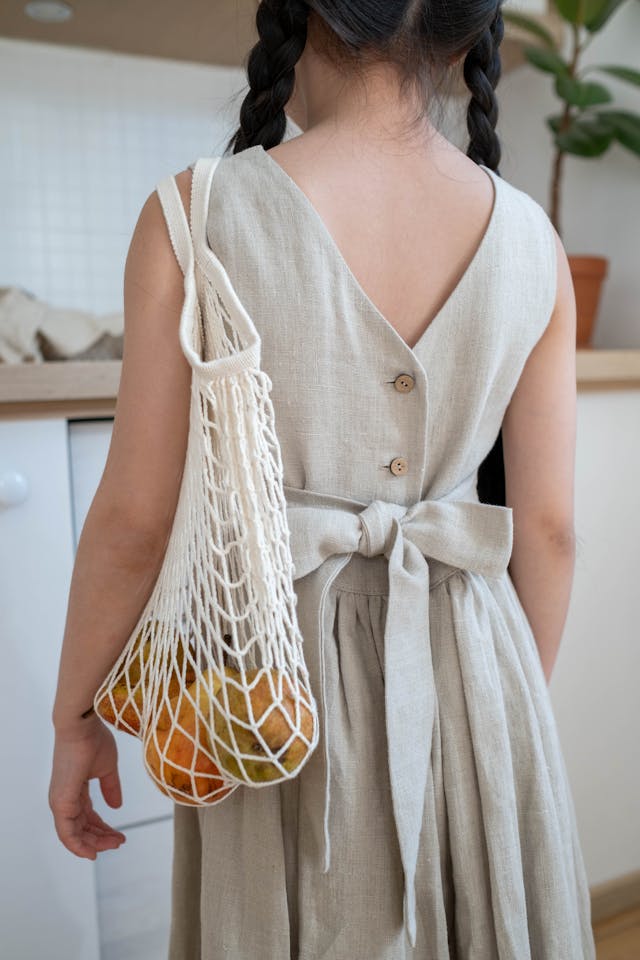
Linen also reflects care for the planet. Flax needs less water than many other crops, and the fabric can break down naturally over time. As a result, parents can build a simple, smart wardrobe that supports both their child’s comfort and long-term values.
Key Benefits of Linen Clothing for Kids
Linen offers clear advantages for children’s clothing. It supports comfort in warm weather, protects sensitive skin, handles sweat well, and stands up to daily wear.
Breathability and Comfort
Linen allows air to move through the fabric with ease. Its natural fibers create small gaps in the weave, so heat does not stay trapped against a child’s skin. As a result, kids feel cooler during outdoor play or warm school days.
The fabric also feels light and soft without clinging to the body. It drapes away from the skin, which helps reduce that sticky feeling common with synthetic fabrics. In hot climates, this makes a clear difference in daily comfort.
Many parents look for natural options, like the linen kids clothes at TreeHouse, because linen comes from flax, a plant fiber. Unlike plastic-based fabrics, it does not block airflow. Therefore, children can move, sit, and rest without feeling overheated or restricted.
Hypoallergenic Properties
Children with sensitive skin often react to harsh dyes or synthetic blends. Linen provides a simple and natural alternative. It comes from flax fibers and contains fewer chemical additives than many mass-produced fabrics.
Its smooth fiber structure helps reduce friction on delicate skin. This lowers the chance of rashes caused by tight or rough materials. In addition, linen resists dust buildup better than many heavy fabrics, which may help children who deal with mild allergies.
Some linen garments also carry safety certifications that confirm low levels of harmful substances. Parents who choose natural fibers often value this added layer of safety. As a result, linen becomes a steady choice for babies, toddlers, and older kids with skin concerns.
Moisture-Wicking Abilities
Kids sweat during play, sports, and warm weather. Linen absorbs moisture quickly and then releases it into the air. This process helps keep skin dry rather than damp.
Unlike thick cotton, linen dries at a faster rate. Therefore, a child who sweats during recess will not stay in wet fabric for long. This can help reduce skin irritation and discomfort throughout the day.
Linen also feels cool to the touch. That cool feel, combined with moisture control, supports comfort during summer months. For active children, dry clothing means fewer complaints about itchiness or stickiness after outdoor time.
Durability for Active Play
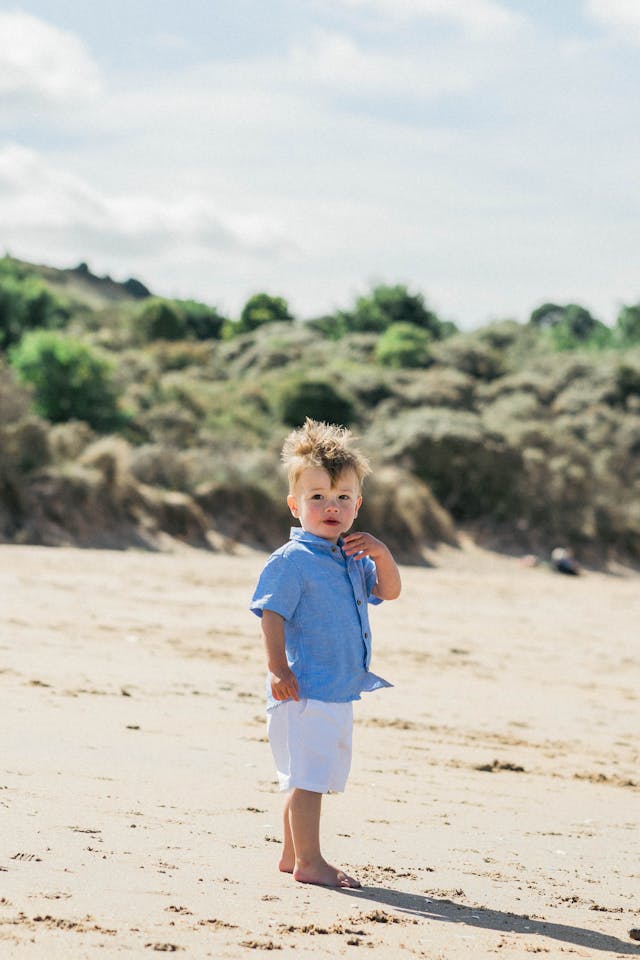
Children test their clothes every day. They crawl, jump, sit on rough ground, and move without caution. Linen fibers rank among the strongest natural textile fibers, which helps garments keep their shape over time.
The fabric softens with each wash, yet it does not lose strength quickly. As a result, linen shirts, shorts, and dresses can handle repeated use. Parents often pass these pieces down to younger siblings.
Quality pieces, such as Kids’ Linen Clothes, focus on comfort and long wear. Strong seams and sturdy fabric matter for school, travel, and play. Therefore, linen stands as a practical choice for families who want clothing that lasts beyond a single season.
Linen’s Eco-Friendly and Thoughtful Appeal
Linen stands out for its low-impact production, natural breakdown after use, and safer fabric treatments. These traits make it a practical and responsible choice for children’s wardrobes.
Sustainable Manufacturing of Linen
Linen comes from the flax plant, which needs fewer resources than many other fiber crops. Flax often grows with little irrigation and uses less chemical input than cotton. As a result, farmers can reduce water use and limit synthetic pesticides.
In addition, most parts of the flax plant serve a purpose. Producers turn the fibers into fabric, and they use the rest for items such as paper or oil. This full use of the plant helps cut waste.
Flax also grows well in cooler climates and can improve soil health through crop rotation. Therefore, linen production can support better land use over time. For parents who care about how clothing begins, this process offers a clear and practical benefit.
Biodegradability and Low Environmental Impact
Linen contains natural plant fibers with no plastic content. Unlike synthetic fabrics, it does not release microplastics into water during washing. This fact matters for families who want to limit pollution at home.
After years of wear, pure linen can break down in soil under the right conditions. It returns to the earth without leaving long-term waste. As a result, old linen clothing does not add to the growing problem of textile landfill in the same way as polyester.
Linen also lasts a long time. The fibers feel strong and resist wear, which means children can use the same item for years or pass it down to siblings. Longer use reduces the need to buy replacements and lowers overall resource demand.
Safe Dyes and Non-Toxic Finishes
Children’s skin reacts quickly to harsh chemicals. Linen fabric, especially in its natural state, needs fewer chemical treatments than many synthetic blends. This reduces the risk of skin irritation.
Manufacturers can dye linen with low-impact dyes that use less water and fewer harmful substances. In addition, many linen garments skip heavy finishes such as wrinkle-resistant coatings that rely on strong chemicals.
Parents who check labels can look for simple details such as “low-impact dyes” or “no added finishes.” These choices help limit contact with unwanted residues. As a result, linen clothing supports a cleaner and safer wardrobe for daily wear.
Conclusion
Linen gives children comfort, durability, and a lower impact on the environment. It stays breathable in heat and feels gentle on sensitive skin, so kids can move and rest with ease.
Parents value its strength, simple care, and timeless look. As a result, linen stands as a practical and thoughtful fabric for kids’ wardrobes.
Leave a Reply