As your baby grows into a curious, energetic toddler, their nutritional needs begin to shift. Mealtimes start to look different, with more solids being introduced, more independence, and often, more opinions.

During this stage, many parents will also add a toddler formula to the menu to provide nutritional assurance, especially for picky little foodies.
Below, we will go into more detail on what toddler formulas are, who they are suitable for, their benefits, and the best toddler formula brands.
What Is Toddler Formula?
Toddler formula, sometimes labeled as “growing-up milk,” is a milk-based nutritional product designed for children from age one and up. Unlike infant formula, which is strictly regulated to meet all of a baby’s nutritional needs, toddler formula is considered more of a supplement than a necessity.
These formulas are typically fortified with nutrients such as iron, vitamin D, calcium, and omega-3 fatty acids, which are nutrients that can sometimes be lacking in a toddler’s diet, especially during phases of picky eating. Many also contain added prebiotics or probiotics aimed at supporting digestive health.
That said, toddler formula isn’t meant to replace solid foods. Instead, it can serve as a nutritional backup, helping to fill gaps when a toddler’s diet is inconsistent or limited.
To get the very best quality, many parents opt for European or organic toddler formula. Some of the most popular options include HiPP, Holle, and Kendamil. Here are the most popular toddler milks offered by each brand:
HiPP Toddler Formula
- HiPP Dutch Stage 4
- HiPP 1+ Kindermilch Formula
- HiPP 2+ Kindermilch Formula
- HiPP PUR Organic Whole Milk Stage 4
Kendamil Toddler Formula
- Kendamil Organic Stage 3
- Kendamil Premium Stage 3
- Kendamil Premium Stage 4
Holle Toddler Formula
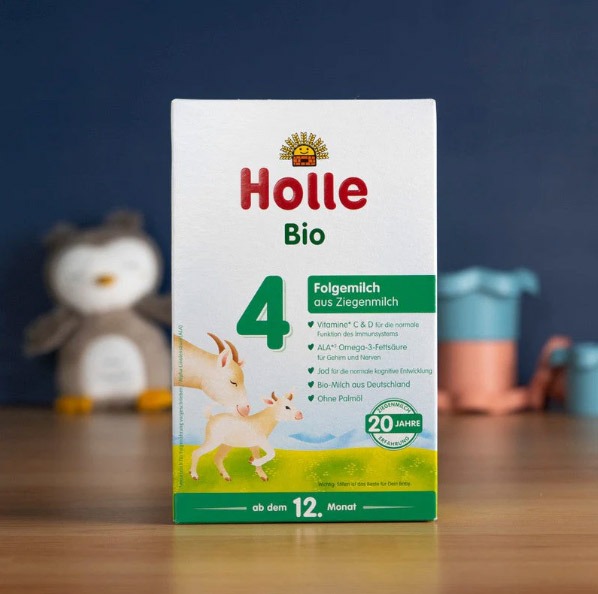
- Holle Cow Stage 4
- Holle Goat Stage 4
What Age Range is Considered for Toddler Formula?
Toddler formula is generally intended for children between 12 months and 36 months of age. By the time a baby reaches their first birthday, they are typically ready to transition away from infant formula or breast milk as their primary source of nutrition and begin relying primarily on solid foods.
During this period, growth slows slightly compared to infancy, but nutritional needs remain high, particularly for brain development, bone growth, and immune support. This is also a time when toddlers begin asserting independence, which can sometimes show up as resistance to new foods or fluctuating appetites.
While many toddlers do perfectly well on a balanced diet that includes whole milk, fruits, vegetables, grains, and proteins, others may benefit from the added nutritional support toddler formula provides. It’s often used as a toddler transition formula, providing a bridge between infancy and a fully diversified diet.
What Is the Difference Between Infant and Toddler Formula?
The main difference between toddler formula vs infant formula is that they are designed for slightly different purposes. Infant formula is meant to be a complete source of nutrition for babies from birth up to about 12 months. It must meet strict regulatory standards to ensure it provides all the nutrients a baby needs to grow and develop, even as solid foods are gradually introduced from around six months.
Toddler formula is designed for older children who are already eating a varied diet, so its nutrient profile is different. It often includes added vitamins and minerals such as calcium, vitamin C, and iron, along with fatty acids, and sometimes prebiotics and probiotics. It also typically contains less protein, as excessive protein intake in early childhood has been linked to a higher risk of obesity later in life.
How and When to Transition to Toddler Formula
Transitioning to a toddler milk formula doesn’t have to happen overnight. In fact, a gradual approach is often the most comfortable for your child.
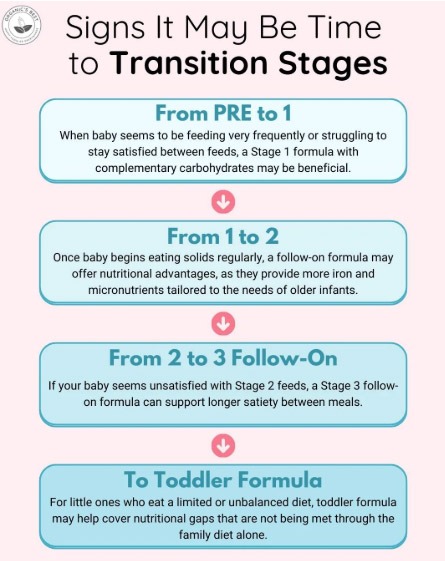
Around the 12-month mark, many parents begin shifting away from bottles and toward cups, while also introducing more solid foods into daily meals.
If you choose to introduce toddler formula, you can start by replacing one feeding at a time. Mixing it with your child’s current milk, whether that’s breast milk, infant formula, or cow’s milk, often helps ease the transition.
Since solid foods should be the primary source of nutrition at this stage, offering formula alongside meals or as part of a snack routine can help maintain balance without displacing important food groups.
Some parents find toddler formula especially useful during periods of picky eating, illness, or growth spurts, when their child’s appetite or food variety temporarily declines. Others may use it more consistently as part of their daily routine.
Where to Buy Toddler Formula
When it comes to purchasing toddler formula, online retailers have become an increasingly popular choice. They often offer a wider selection, including European, specialty, organic, or non-GMO toddler formulas that may not be stocked locally.
One option, Organic’s Best Shop, specializes in premium organic baby and toddler formulas, including both cow and goat milk varieties sourced from trusted European brands. With reliable express shipping and attentive customer service, finding and receiving the right toddler formula is simple, with delivery in just 2 – 7 business days.
Leave a Reply