Asbestos is the first thing to check when planning to renovate your old home. Before any sanding, scraping, or demolition, you should know whether the materials you’re about to disturb contain it. Asbestos that stays intact is unlikely to pose a health risk, but renovation can release its fibers into the air your whole family breathes. Knowing where asbestos tends to hide and how to handle it safely helps keep the project exciting and your kids protected.
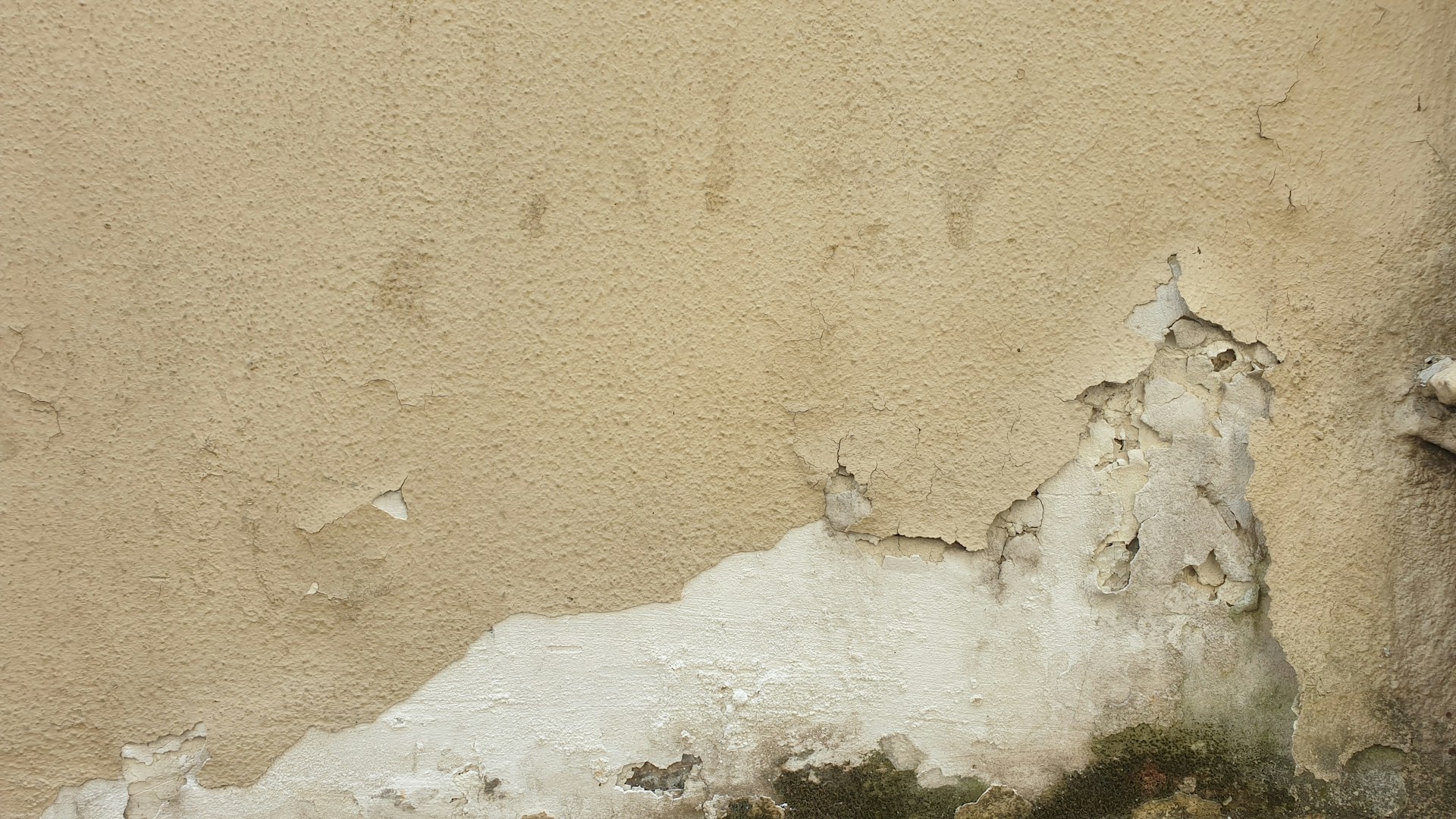
Photo courtesy of Unsplash
Why Older Homes Can Hide Asbestos
For decades, asbestos was a go-to building material because it was cheap, strong, and heat-resistant. According to the Arkansas Department of Health, many building and insulation products used in homes contained asbestos until the 1970s. Only lab testing can confirm it, meaning a house that looks perfectly fine can still have asbestos tucked behind walls or under floors.
Where Asbestos Commonly Hides in a Home
Some spots are more likely to contain asbestos than others, especially in older homes. Check out these places before your project begins:
- Sprayed-on textured ceilings, often called popcorn ceilings
- Textured paints and patching compounds on walls and ceiling joints
- Vinyl floor tiles, sheet flooring backing and flooring adhesives
- Insulation around hot water pipes, boilers, and furnace ducts
- Vermiculite attic insulation, which the EPA recommends leaving undisturbed
- Asbestos cement roofing, shingles and siding
Why DIY Demolition Is Riskier Than It Looks
Sanding, scraping, drilling, and tearing out old materials can send tiny fibers into the air. That dust can drift through the house and settle on furniture, clothing, and the toys your kids play with.
A study in the Medical Journal of Australia found that between 2005 and 2008, about 36% of mesothelioma cases among women in Western Australia were linked to home renovation or maintenance.
Asbestos-related illness also takes a long time to appear. In a NIOSH-published analysis of insulation workers with mesothelioma, nearly half were diagnosed 30 to 39 years after their first exposure.
5 Safe Steps Before the Renovation Starts
A few precautions upfront can keep everyone safe without derailing your project. Here’s a careful approach:
- Leaving suspect materials alone until they’ve been tested
- Having a trained professional collect samples, since DIY sampling can release fibers
- Keeping kids and pets well away from any work areas
- Hiring a trained and accredited abatement contractor if removal is needed
- Skipping the broom and regular vacuuming for any dust that might contain asbestos
If Your Family Was Exposed in the Past
Many parents learn about these risks only after a renovation is finished. Others remember growing up in a home where old floors or ceilings were torn out without a second thought. Feeling worried is natural, but exposure alone doesn’t mean someone will get sick. Tell your doctor about any past exposure so they can keep it in mind at regular checkups.
If you’d like to read up before that appointment, organizations like Mesothelioma Hope share free, easy-to-understand information on asbestos exposure and the early symptoms worth knowing. Having those details on hand can make the conversation with your doctor a little easier.
Endnote
Fixing up an older home is exciting, and a little testing upfront keeps it that way. Once you know the signs of asbestos behind the walls, you can plan with confidence and focus on the fun part: making the space your family’s own.
Leave a Reply