Weeknight cooking can feel like one more job at the end of an already full day. After work, school, errands or childcare, the question of what to make for dinner can become surprisingly difficult. Even people who enjoy cooking may feel stuck when the fridge is full of random ingredients and no clear plan.
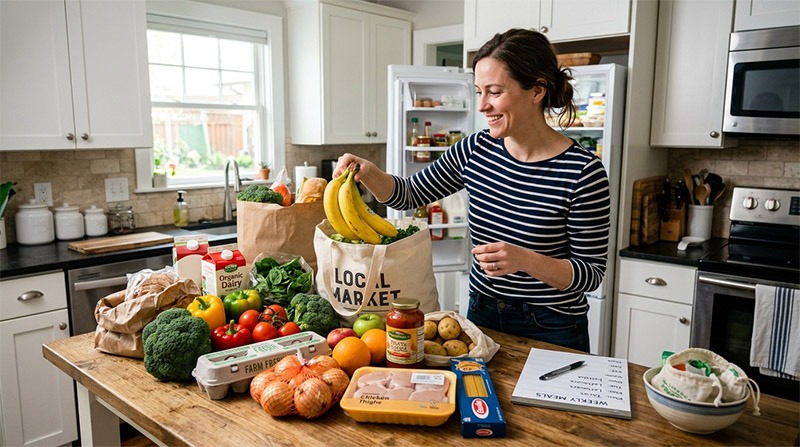
Better meal planning does not mean every dinner has to be homemade, perfect or complicated. It means having enough structure to make cooking easier when time and energy are limited. A simple plan can reduce last-minute decisions, help groceries get used and make weeknight meals feel more manageable.
Why Weeknight Cooking Feels So Difficult
Dinner usually happens at the busiest part of the day. People are tired. Children may need help with homework. Work messages may still be coming in. Errands, sports and appointments can leave very little time for cooking.
When there is no plan, the easiest choice often wins. That may mean takeout, packaged food or another rushed meal that does not feel satisfying. Sometimes this is fine. The problem starts when last-minute choices become the regular routine.
Missing ingredients also make cooking harder. A recipe may sound simple until one key item is gone. Then dinner turns into another trip to the store. For busy households, even planning around practical tasks such as grocery shopping, bill timing or when to transfer international money to family can affect how much time is left for cooking during the week.
What Better Meal Planning Really Means
Meal planning is not about cooking every meal from scratch. It is not about spending a whole Sunday in the kitchen unless that works for you. Better meal planning simply means knowing what meals are likely to happen before the week becomes hectic.
A good plan can include leftovers, freezer meals, simple sandwiches, breakfast for dinner or a quick pasta dish. It can also include one night where no cooking is expected. The point is to remove guesswork.
The best meal plans match real life. If Tuesday is always busy, Tuesday is not the night for a recipe with ten steps. If Friday is unpredictable, leave room for leftovers or something from the freezer. A useful meal plan should make the week easier, not stricter.
Start With Your Weekly Schedule
Before choosing meals, look at the week ahead. Which nights are packed? Which nights are quieter? Which nights will someone be home late?
Busy nights need low-effort meals. Think tacos, soup, scrambled eggs, baked potatoes or a sheet pan dinner. Quieter nights can handle meals that take more chopping or longer cooking time.
It also helps to choose cooking nights and shortcut nights. Cooking nights are for meals that may create leftovers. Shortcut nights are for reheating, assembling or using what is already prepared. Build in one flexible night too. Life changes quickly, and a plan with no room to adjust is easy to abandon.
Plan Meals Around What You Already Have
A good meal plan starts in the kitchen, not at the store. Check the fridge, freezer and pantry before writing a grocery list. Look for proteins, vegetables, grains, canned goods, sauces and leftovers that need to be used.
This step prevents waste. It also makes grocery shopping more focused. If there is rice in the pantry, frozen vegetables in the freezer and eggs in the fridge, dinner may already be halfway planned. If tortillas, beans and cheese are available, quesadillas or simple wraps can be an easy option.
Fresh items should be used first. Produce, dairy, cooked meats and opened sauces can go bad if they are forgotten. Planning meals around these foods helps stretch groceries further and keeps the fridge from becoming a place where good ingredients disappear.
Keep Weeknight Meals Simple
Weeknight meals do not need to be impressive. They need to be doable. Repeatable meal formats are often more useful than complicated recipes.
Tacos, stir-fries, pasta, grain bowls, soups and sheet pan meals can be changed with different proteins, vegetables and sauces. This keeps meals from feeling identical while still using a familiar structure.
Using fewer ingredients also helps. A simple dinner with five or six ingredients is easier to shop for, faster to cook and less stressful to clean up after. Practical meals matter. The best dinner is the one people will actually eat and the cook can actually make.
Make a Smarter Grocery List
A meal plan works best with a focused grocery list. Instead of buying random items that seem useful, shop from the meals you plan to make.
Group items by category, such as produce, protein, dairy, grains, pantry staples and frozen foods. This makes shopping faster and reduces the chance of forgetting something important.
Choose ingredients that can work in more than one meal. Chicken can be used in tacos and salads. Rice can support stir-fries and grain bowls. Vegetables can go into pasta, soup or omelets. This kind of overlap makes cooking more flexible and helps reduce waste.
Prep Small Things Ahead of Time
Meal prep does not have to take hours. Small steps can make a big difference.
Wash lettuce. Chop onions. Cook rice. Roast vegetables. Portion snacks. Make a sauce or dressing. Even 20 minutes of preparation can make weeknight cooking feel easier.
The goal is not to finish every meal ahead of time. The goal is to remove friction. When ingredients are ready, starting dinner feels less like a full project.
Use Leftovers With a Plan
Leftovers are most helpful when they have a purpose. Cooking once and using the food twice can save time on a busy night.
Roasted chicken can become wraps. Cooked rice can become fried rice. Vegetables can go into omelets. Pasta can turn into a baked dish. This keeps leftovers from feeling like the same meal again.
Store leftovers in clear containers when possible. Label them if needed. Keep older food near the front of the fridge. Most important, plan when leftovers will be eaten so they do not get forgotten.
Build a List of Backup Meals
Even a good meal plan can fall apart. Someone gets home late. A meeting runs long. An ingredient is missing. Backup meals help prevent unnecessary takeout when the original plan no longer works.
Good backup meals are simple and rely on pantry or freezer staples. Eggs and toast, pasta with sauce, grilled cheese with soup, quesadillas, tuna salad, chickpea salad or frozen vegetables with rice can all work.
Keeping these basics on hand creates a safety net. It gives the household an answer when the plan changes.
How Meal Planning Can Help With Food Costs
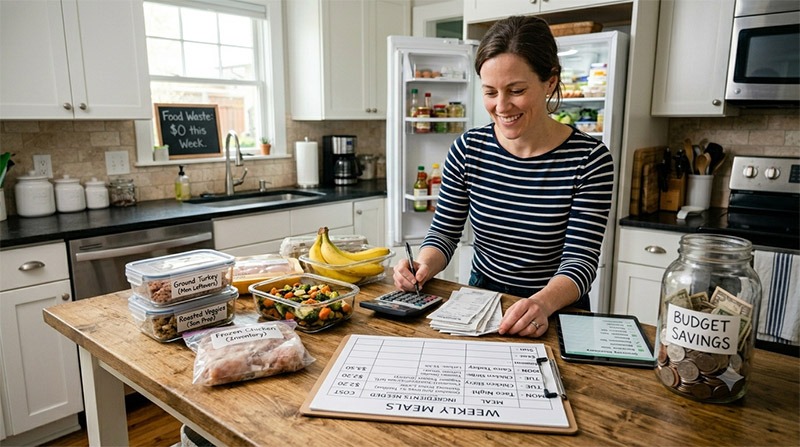
Meal planning is mainly about making cooking easier, but it can also support better spending habits. When every grocery item has a purpose, there are fewer impulse purchases and fewer forgotten ingredients.
It can also reduce food waste. Using leftovers, checking the kitchen first and planning around fresh food all help groceries go further.
Takeout can still have a place in a normal routine. But when there is an easy dinner option at home, it becomes a choice instead of a default.
Common Meal Planning Mistakes to Avoid
One common mistake is planning too many new recipes. New meals often take longer because the steps are unfamiliar. Save them for quieter nights.
Another mistake is ignoring the schedule. A busy night needs a simple dinner. Buying groceries without checking the kitchen first can also lead to duplicates and waste.
Finally, avoid making the plan too strict. Flexibility is what keeps meal planning useful over time.
A Simple Weekly Meal Planning Routine
Start by reviewing the week ahead. Then check what you already have. Pick three to five dinners, including at least one very easy option. Make a grocery list based on those meals and prep one or two helpful items.
That is enough to begin. Better meal planning does not have to be complicated to work.
Final Thoughts
Better meal planning can make weeknight cooking easier because it reduces decisions before the busiest part of the day. It helps families use groceries wisely, prepare simple meals and avoid the stress of starting from nothing every night.
Start small. Plan three dinners for the coming week. Keep one backup meal ready. Use what you already have. Over time, these small habits can make home cooking feel calmer, faster and much more realistic.
Leave a Reply