The scratch of a pencil finding its rhythm on paper. The hush right before a movie starts. The quiet satisfaction of watching a plant finally push out a new leaf after weeks of waiting. For some, it’s a slow evening with a book. For others, it’s a casual round of the best JILI games. Somewhere during these small moments, your shoulders drop, your breathing slows, and your mind stops rehearsing tomorrow’s problems long enough to just stay in the moment.
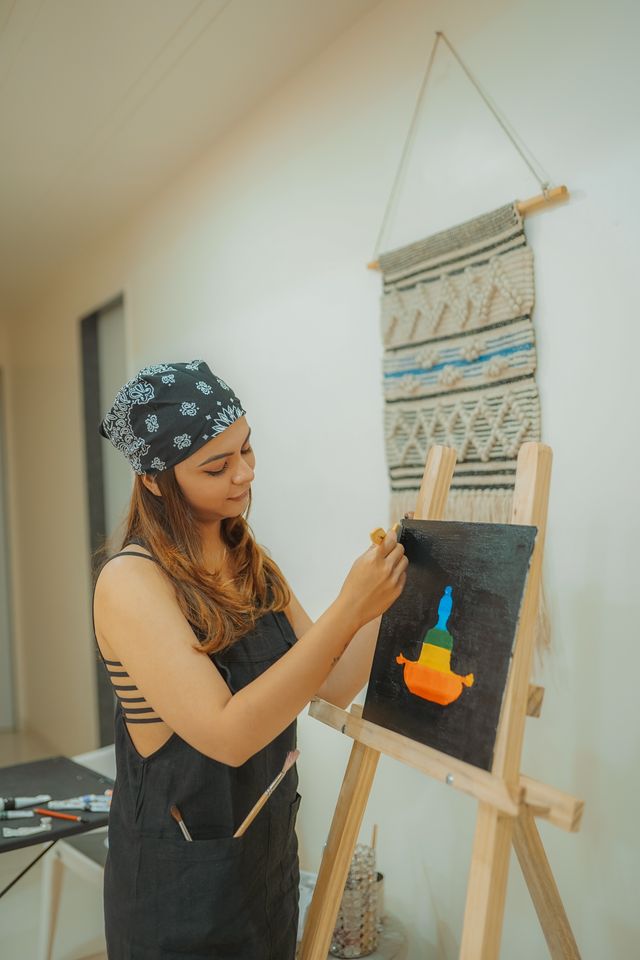
That’s what a hobby actually does. Underneath all the talk about self-care and downtime, it gives your body a reason to relax. But not every hobby gets you there; some just trade one kind of effort for another. Finding the ones that genuinely let you live and enjoy takes a bit of honest self-assessment. Here’s where to start.
Know How Much Time You Really Have
Most people build hobby lists for the life they wish they had, not the one they’re actually living. If your free time comes in scattered ten-minute pockets between errands, a hobby that needs a full quiet afternoon won’t survive past week two. It’ll sit there, guilt-inducing, until you quietly drop it.
So, take an honest look at your week first. Do you usually have twenty minutes before the kids wake up or perhaps a stretch of Sunday with nothing on it? Start from what’s actually there, not what a Pinterest board says your mornings should look like. This is also why small habits, such as a five-minute sketch or one podcast episode, tend to outlast the ambitious ones—they don’t need your life to change first.
Match the Hobby to Your Energy Level
Interest doesn’t equal energy. You can love the idea of a hobby and still not have the fuel for it on a given night. Hobbies like reading, gardening, and casual gaming leave you with more than you started with. A competitive sports league, on the other hand, costs energy. Neither is wrong. They just serve different weeks.
On the nights when you’re running low, a few lower-effort options tend to hold up better. An audiobook is easy on and off, with nothing to set up. A new recipe is a little messy but satisfying without needing to impress anyone. Casual gaming, including video games or the occasional session of online casino games, keeps things low-commitment and easy to close once you’ve had enough. A journal or sketchbook stays quiet, forgiving, and cheap to start.
None of it requires special equipment or a five-year plan. Rather, they’re deliberate and built to fit into a life that’s already full, not to demand you make more room for it.
Figure Out What’s Missing from Your Life
Hobbies fall into distinct buckets: creative, physical, social, and relaxing. Find the empty one, and the list of options gets a lot shorter. Someone stuck home alone most days might get more out of a casual sports group than another solo hobby. Someone constantly surrounded by people at work might need to paint alone or take a long walk where nobody expects a response from them. No bucket is wrong here, but the mismatch becomes obvious when the hobby doesn’t fill the void.
Time, energy, and that gap are the three things worth checking before picking anything. Once you’ve run through them, the next step is just making the choice.
Start With a Trial, Not a Purchase
You don’t need the full setup before you know if something’s going to stick. You can borrow a friend’s guitar before buying one, participate in a single dance class before signing up for the season, or treat the first few weeks of crocheting as a trial instead of a decision you’re locked into. It takes the pressure off having to be good right away, and it changes what quitting means—less like wasted time, more like useful information about what to try next.
Allow the Hobby to Change With You
Not everything you pick up has to last forever. A physical hobby might suit a busier, more active stretch; a quieter one might suit a slower season a few months later. Let hobbies rotate instead of forcing one to fit every phase of your life. It usually keeps them enjoyable for much longer, mostly because they stay tied to what you actually need, instead of turning into one more routine you’re maintaining out of habit.
Make the Hobby Work Specifically for You
A hobby that fits doesn’t need to be defended. It doesn’t need a streak, a set of matching gear, or a story about why it’s worth the time. It just gets used, week after week, without much thought going into whether it should. That quiet consistency is a better sign than enthusiasm, which can fade in a month. What’s left after, the thing still getting chosen over sleeping in or scrolling, is usually the one that was actually right for the life it has to fit into.
Leave a Reply