Balance is a critical skill that children develop as they grow. It significantly affects their ability to move, play, and interact with the world around them. However, some children may struggle with balance, impacting their overall development.
Recognising balance issues early is essential for addressing any underlying problems and ensuring that a child can enjoy physical activities and daily tasks without difficulty. Parents should be aware of the signs that could indicate a balance issue, as early intervention can make a significant difference in a child’s growth and well-being.
Understanding Normal Balance Development
Babies start developing balance as they gain control over their head and neck, gradually progressing to sitting up, crawling, and eventually walking. By the time children reach preschool age, they should be able to stand on one foot, hop, ride a balance bike, and navigate stairs with relative ease.
These milestones indicate that a child’s balance system functions correctly and is a natural part of their physical development.
It’s important to remember that every child develops at their own pace. While some might master balance skills quickly, others may take a little longer. However, significant delays or consistent struggles with balance-related activities could indicate a deeper issue.
Signs of Balance Issues in Young Children
Parents often notice balance problems when a child struggles with activities requiring coordination and stability. Frequent stumbling or tripping while walking, difficulty standing on one foot, or an inability to hop might indicate an issue.
Children with balance problems may also have trouble with tasks that involve motor skills, such as riding a bike or climbing playground equipment. They might appear unusually clumsy or have a fear of heights or unstable surfaces.
Another red flag is if a child avoids physical activities that other kids their age enjoy. For example, a child who refuses to participate in running games or seems overly cautious on playgrounds might be dealing with balance issues.
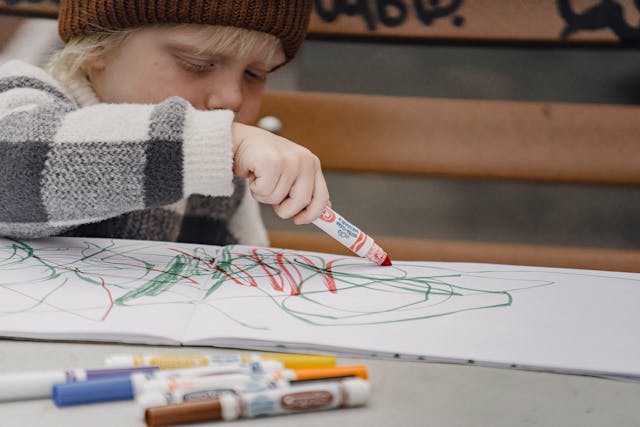
Balance problems are not just about physical activities. They can also affect a child’s ability to sit still, pay attention, and even engage in fine motor tasks like writing or using utensils.
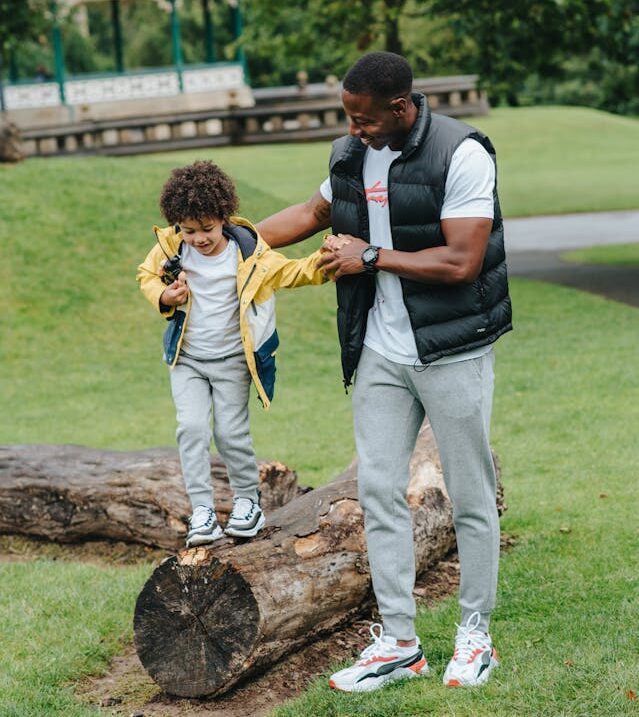
Coordination and balance are closely linked – Photo by Anete Lusina
Coordination and Muscle Weakness
Coordination and balance are closely linked, so difficulties with one often impact the other. If a child seems uncoordinated or struggles with tasks that require synchronised movements, such as catching a ball or dancing, this could be a sign of a balance issue.
Parents might also notice that their child has poor posture or appears weaker on one side of the body. Muscle weakness, particularly in the core muscles, can contribute to balance problems, as these muscles play a crucial role in stabilising the body.
Sometimes, balance issues are more subtle and may manifest as an unusual gait, such as walking on toes or with feet turned in or out. While these behaviours can be part of normal development, persistent or exaggerated movements may warrant further investigation. Observing how a child moves and interacts with their environment can provide valuable clues about their balance and coordination.
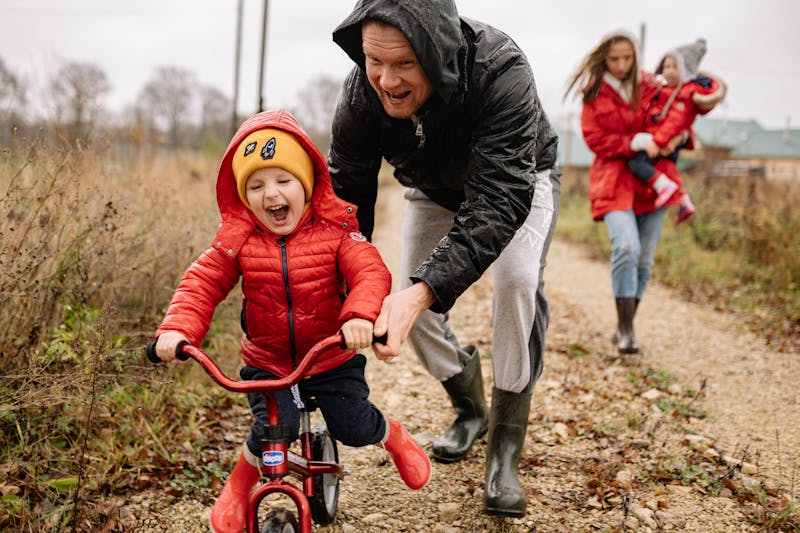
Balance involves the body’s sensory systems. – Photo by Yan Krukau
Sensory Processing and Balance
Balance is not just about muscles and movement. It also involves the body’s sensory systems. The vestibular system, located in the inner ear, plays a key role in balance by helping the body understand its position in space.
Children with balance issues may have an underdeveloped vestibular system, leading to sensory processing difficulties. These children might be overly sensitive to movement, avoiding spinning, swinging, or climbing activities. Alternatively, they might seek out excessive movement, constantly spinning or jumping in an attempt to self-regulate their balance.
Issues with sensory processing can also cause problems with balance. A child might have difficulty processing the sensory information needed to maintain balance, leading to awkward or uncoordinated movements. Sensory processing challenges can manifest as difficulty with activities requiring precise motor control, such as buttoning a shirt or using scissors.
When to Seek Professional Help
While some balance issues are a normal part of development, others may require professional attention. If a child consistently struggles with balance-related activities or if their difficulties seem to be getting worse over time, it’s essential to consult a healthcare provider.
A paediatrician, physical therapist, or occupational therapist can assess the child’s balance and coordination, identify any underlying issues, and recommend appropriate interventions.
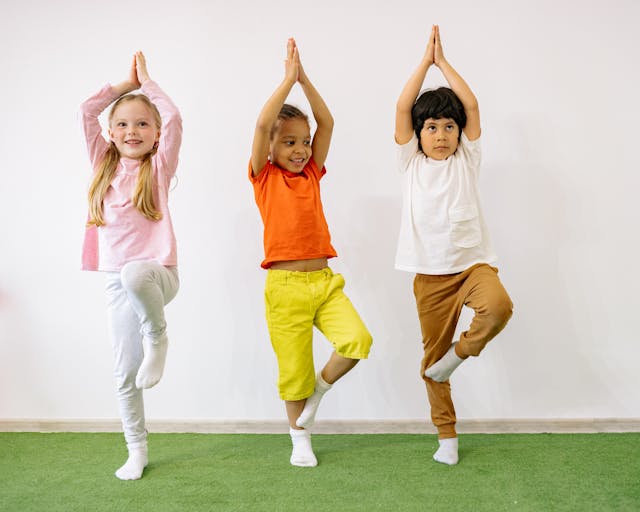
Practising yoga poses can help improve balance – Photo by Yan Krukau
Encouraging Healthy Development
It is important to support a child’s balance development at home, regardless of whether they have been diagnosed with a balance issue. Encouraging activities that promote balance and coordination, such as playing on playground equipment, riding a bike, or participating in sports, can help strengthen these skills. Simple exercises like standing on one foot, walking in a line, or practising yoga poses can also improve balance.
Parents can create a supportive environment encouraging physical activity and exploration, helping children build the skills to move confidently and safely. If balance issues are present, working closely with professionals to develop a tailored intervention plan can help ensure the child receives the support they need to thrive.
Wrapping Up
Recognising and addressing balance issues in children is crucial to their overall development. Staying attuned to signs of balance difficulties and seeking professional advice when necessary helps children build the confidence and skills needed for a healthy, active life. Whether through simple at-home activities or professional interventions, ensuring a solid foundation for balance will set children on the path to success.
Pin it
Leave a Reply