The chaotic schedule of managing a household often leaves moms putting their own health goals on the back burner. Balancing after-school sports, school projects, and household chores makes finding time for personal wellness feel nearly impossible. Many women discover that managing weight loss while preparing family-friendly meals requires a fresh strategy.

Start with Schedules Before Plates
Placing focus on the calendar before deciding what to cook can change the entire dynamic of the week. A helpful approach is to review school activities, work obligations, and sports commitments first, then select three to five recipes that fit into those specific time slots.
Knowing which nights are packed allows for quick meals, while calmer evenings can be used for slightly more involved dishes. This strategy reduces the stress of last-minute cooking choices.
When time feels scarce, planning around your family commitments creates a sustainable rhythm. If a mother wants to lose twenty pounds, breaking that target down into small, digestible goals makes the process easy to fit into daily life.
A steady progression prevents burnout and allows health changes to stick. Taking small steps ensures that your fitness goals align naturally with a busy schedule.
Exploring Modern Medical Weight Loss Options
Many mothers find that diet and exercise alone do not deliver the desired results. In these situations, learning about newer clinical treatments can provide a clear path forward.
Consulting with a healthcare provider helps clarify insurance coverage, eligibility requirements, and long-term health outcomes. Reviewing Zepbound prescribing and access details during these conversations can help determine whether the medication aligns with your health goals and treatment needs. Having the correct information simplifies the process of making medical choices.
Consulting with a healthcare provider helps clarify insurance coverage, eligibility requirements, and long-term health outcomes. Having the correct information simplifies the process of making medical choices.
Clinical tools are designed to work alongside sustainable lifestyle changes rather than replacing them. Discussing these options with a professional ensures that your personal biology is supported during your weight loss journey. This approach takes the guesswork out of chronic weight management.
The Power of Shared Family Mealtimes
Gathering around the dinner table offers surprising benefits for both parents and children. Research shows that frequent family meals promote structured eating patterns, reduce impulsive snacking, and provide opportunities for parental modeling of healthy food choices.
Sitting down together establishes a designated time for nutrition, which curbs the urge to graze later in the evening. This structured environment keeps mothers accountable to their wellness goals.
Sharing meals also fosters open communication and strengthens family bonds. When children see their parents choosing balanced plates, they naturally adopt better habits. This shared environment transforms dinnertime into a supportive space for everyone.
Smart Grocery Choices to Prevent Spoilage
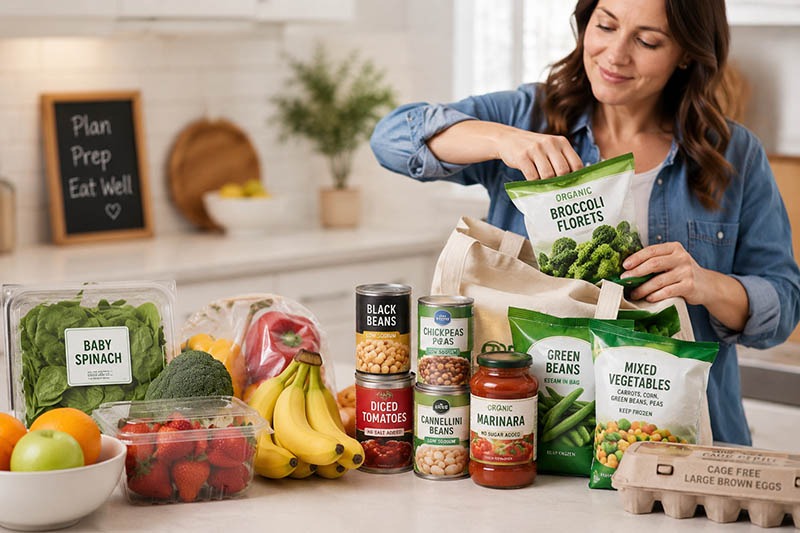
Keeping nutritious food on hand without constantly running to the store is a common hurdle for busy households. Practical considerations related to spoilage, convenience, availability, and cost can be mitigated by incorporating most forms of vegetables and fruits, including fresh, frozen, and canned varieties.
Frozen vegetables lock in nutrients and do not go bad within a week, making them perfect for busy nights. Canned beans and tomatoes serve as excellent pantry staples for quick meals.
Utilizing a mix of food preservation styles saves money and cuts down on food waste. It removes the pressure of utilizing all your fresh produce in just a couple of days. This flexibility makes healthy eating far more realistic.
Modeling Healthy Attitudes for Children
Children pay close attention to how their parents talk about food and body image. Evidence reveals that children whose parents exhibited healthier eating attitudes demonstrated stronger adherence to nutritious dietary patterns.
Focusing on how food fuels the body – rather than emphasizing restriction – teaches children to value nutrition. This positive framing protects the health of the parent while guiding the next generation.
Shifting the conversation toward strength and energy builds a healthy kitchen culture. Moms can feel confident that their weight loss efforts are teaching valuable lessons to their children. This mindset transforms healthy eating into a shared family value.
Incorporating the Mediterranean Diet
Adopting a specific dietary framework can simplify meal planning for the entire household. The Mediterranean diet recommends filling your plate with fresh fruits, vegetables, nuts, and legumes, with moderate portions of fish and shellfish for protein.
This eating style is widely celebrated for its heart-health benefits and focus on whole foods. It is highly versatile and avoids the rigid rules of restrictive diets.
- Lean proteins like chicken, fish, and beans form the base of nightly dinners.
- Whole grains such as quinoa, brown rice, and whole-wheat pasta offer lasting energy.
- Healthy fats like olive oil and avocados replace heavy creams and butter.
- Fresh herbs, garlic, and citrus supply plenty of flavor without adding excess sodium.
This style of eating satisfies growing kids while automatically supporting a mother’s weight loss goals. It avoids the need to cook separate dishes for different family members.
Prioritizing your own health sets an incredible example for the entire household. When a mother takes care of her body, she brings more energy and presence to her parenting. Finding the right balance requires patience, flexible planning, and a willingness to utilize modern tools. Small, consistent choices accumulate over time to create a healthier lifestyle for the whole family.
Leave a Reply