Finding a wasp nest tucked under your porch roof or near your garden shed can be unsettling. Your first instinct might be to grab a can of chemical spray, but that’s not always the safest or smartest choice.
Chemical pesticides can harm beneficial insects, pets, and even the soil in your garden. Thankfully, there are gentler methods that get the job done without introducing harsh toxins into your outdoor space.
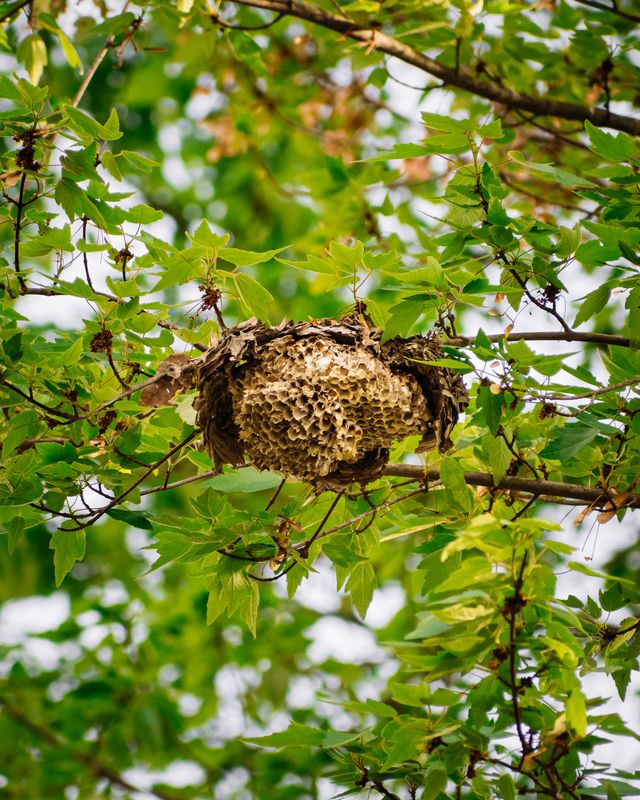
This guide walks you through why these pests show up in the first place and shares seven eco-friendly ways to remove their nests safely.
Why These Pests Find Their Way to Your Home and Garden
According to the experts at FightTheBite.net, an educational public health resource operated by the Sacramento-Yolo Mosquito and Vector Control District (they provide information on Yellow Jacket prevention, vector-borne diseases, and community mosquito control programs Near Sacramento Area), yellow jackets, paper wasps, and similar insects aren’t randomly picking your property. They’re drawn to specific conditions that make your yard feel like the perfect place to settle down.
Food sources play a huge role in attracting these insects. Overripe fruit, sugary drink spills, and even pet food left outside can pull them straight to your backyard.
Standing water is another major draw. Birdbaths, clogged gutters, or leaky faucets give wasps and other stinging insects the hydration they need to survive and build their colonies.
Your home’s structure also offers ideal nesting spots. Eaves, attic vents, wall voids, and hollow porch columns provide shelter from rain and wind, making them attractive real estate for a growing nest.
Gardens add another layer of appeal. Flowering plants attract pollinators, but they also draw predatory wasps looking for insects to hunt, along with sweet nectar to feed on themselves.
Once you understand these triggers, it becomes easier to prevent future infestations while dealing with the nest you already have.
1. Use a Natural Peppermint Oil Spray
Peppermint oil is a powerful deterrent that many stinging insects can’t stand. Mixing it with water and a splash of dish soap creates a spray you can apply directly to the nest.
The strong scent overwhelms their senses and encourages them to abandon the area. This method works best on smaller nests and should be applied in the early morning or late evening when the insects are less active.
Reapplying every few days helps ensure the colony doesn’t return. It’s a safe option if you have children or pets who spend time in the yard.
2. Try a Soap and Water Solution
This classic method relies on simple dish soap mixed with water in a spray bottle. The soap clogs the breathing pores of wasps and yellow jackets, causing them to suffocate quickly.
It’s incredibly affordable and something most households already have on hand. Spraying directly onto the nest at night, when the colony is less alert, gives you the best results.
Wear protective clothing during this process since some insects may still be active. Once the nest is no longer occupied, you can safely remove it from the area.
3. Set Up Decoy Nests
Believe it or not, wasps are territorial creatures. Many species avoid building nests near existing colonies to prevent competition over food and space.
Hanging a fake nest, which looks like a paper wasp nest, can trick new colonies into avoiding your property altogether. You can buy these decoys online or make one using a brown paper bag stuffed with newspaper.
This method works best as a preventive measure before pests settle in for the season. It won’t remove an existing nest, but it can stop new ones from forming nearby.
4. Apply Diatomaceous Earth Around Nesting Areas
Diatomaceous earth is a natural powder made from fossilized algae. It’s completely safe for humans and pets but deadly to insects with exoskeletons, including wasps and yellow jackets.
The powder works by damaging the outer layer of the insect’s body, causing dehydration. Sprinkling it around known nesting sites or entry points can discourage colonies from settling there.
This method takes a little patience since it works gradually rather than instantly. Reapplying after rain ensures it stays effective throughout the season.
5. Encourage Natural Predators in Your Garden
Nature already has a built in system for keeping pest populations in check. Birds, especially those like sparrows and wrens, feed on wasps and their larvae regularly.
Planting native shrubs and installing birdhouses can invite these helpful predators into your garden. Bats are another natural ally, since many species feast on flying insects during the night.
Building a pest friendly ecosystem takes time, but it creates long term balance. Over several seasons, your yard becomes less appealing to nesting insects overall.
6. Use a Vacuum for Small Nests
For smaller nests found in accessible areas, a shop vacuum can be surprisingly effective. This method works especially well for nests tucked into wall crevices or small openings.
Attaching a hose extension lets you suck up the insects directly without physical contact. It’s important to seal the vacuum bag immediately afterward to prevent any survivors from escaping.
This approach works best at night when the colony is calm and less likely to swarm. Always wear protective gear, since some insects may still be alert.
7. Call a Professional Eco-Friendly Pest Control Service
Sometimes a nest is simply too large or too dangerous to handle on your own. This is especially true for nests built high up, hidden inside walls, or home to aggressive colonies.
Many pest control companies now offer green certified treatments that avoid harsh chemicals. These services use methods similar to the ones mentioned above, but with professional grade tools and safety equipment.
Hiring an expert also reduces your risk of stings, which can be dangerous for those with allergies. It’s a smart choice when the situation feels beyond a simple do it yourself fix.
Final Thoughts
Removing a wasp or yellow jacket nest doesn’t have to mean reaching for toxic chemicals. With a bit of patience and the right approach, you can protect your family, your garden, and the environment at the same time.
Leave a Reply