Planning a pilgrimage or cultural journey to the Holy Land is a deeply meaningful experience that requires careful consideration. With countless sacred sites, historical landmarks, and spiritual destinations to explore, choosing the right itinerary can feel overwhelming. The key is finding a journey that aligns with your interests, physical abilities, and spiritual goals while ensuring you don’t miss the experiences that matter most to you.
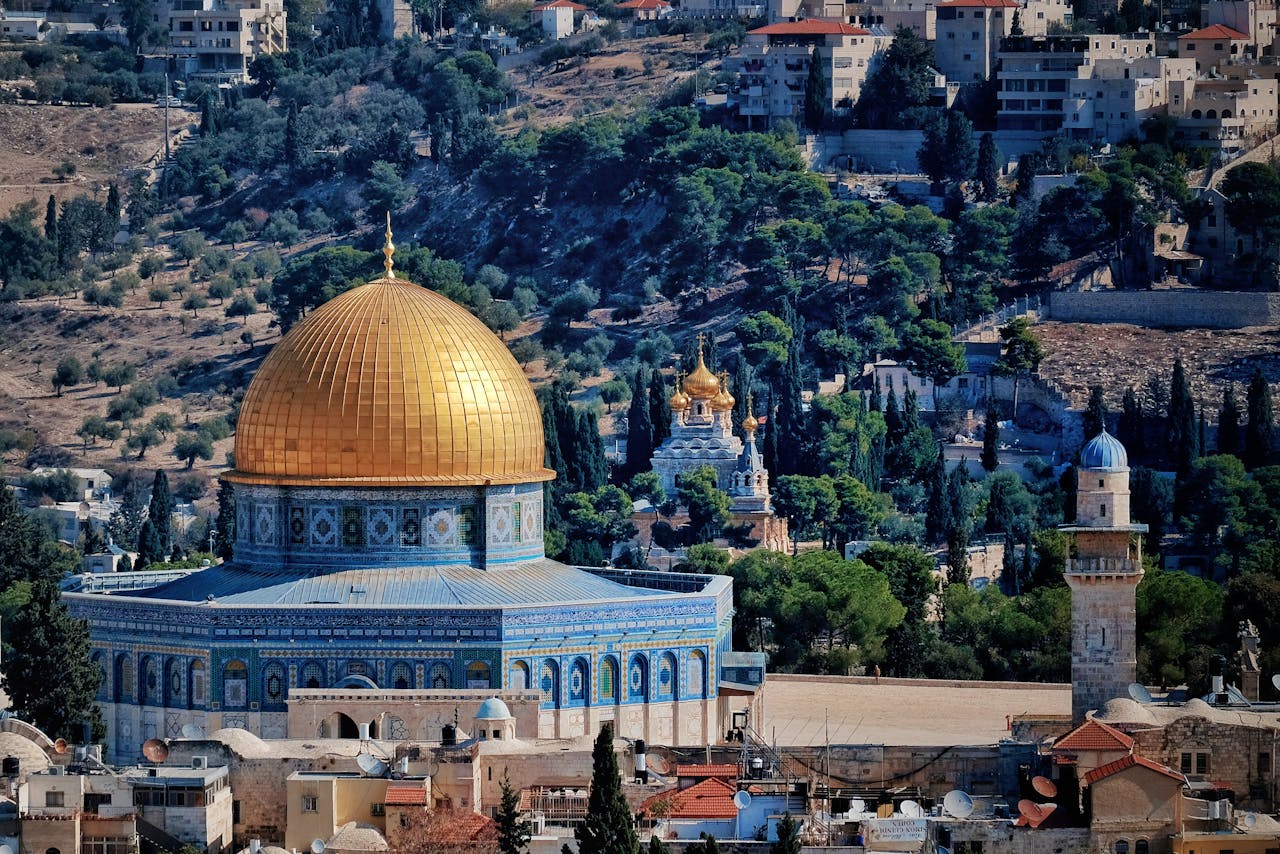
Dome of the Rock – Jerusalem, Pic Credit – Thắng-Nhật Trần
Whether you’re seeking religious enlightenment, historical understanding, or cultural immersion, the right itinerary will transform your trip from a simple vacation into a life-changing adventure. Here are five essential strategies to help you select the perfect Holy Land itinerary for your journey.
Consider Your Primary Purpose and Interests
Before browsing through various travel options, take time to reflect on why you want to visit the Holy Land. Are you primarily interested in walking in the footsteps of biblical figures, exploring ancient archaeological sites, or experiencing the vibrant modern culture of the region?
Your primary motivation should guide your itinerary selection. Some travelers prioritize Christian pilgrimage sites like the Church of the Holy Sepulchre and the Garden of Gethsemane, while others may want a more balanced approach that includes Jewish heritage sites, Islamic landmarks, or archaeological wonders. Understanding your core interests ensures you choose an itinerary that delivers the experiences most meaningful to you.
Additionally, consider whether you prefer a spiritually focused journey with time for prayer and reflection, or a more educational tour that emphasizes historical context and expert-guided exploration. Many Holy Land Tours offer specialized themes, from biblical archaeology to interfaith understanding, so identifying your purpose helps narrow down the options significantly.
Evaluate the Physical Demands and Pace
The Holy Land features diverse terrain, from the hills of Jerusalem to the desert landscapes of the Judean wilderness. Different itineraries vary dramatically in their physical requirements, so honestly assessing your fitness level and mobility is crucial.
Some tours involve extensive walking on uneven surfaces, climbing stairs at ancient sites, and navigating crowded marketplaces. Others offer a more leisurely pace with accessible routes and regular rest periods. Review the daily schedule carefully, noting how many sites you’ll visit each day and the amount of walking or standing required.
Pay attention to whether the itinerary includes challenging elements like hiking in the Galilee region or descending to Masada. If you have physical limitations, look for tours that explicitly accommodate various mobility levels or offer alternative options for more strenuous activities.
Examine the Balance Between Major Sites and Hidden Gems
A well-designed itinerary strikes a balance between must-see landmarks and lesser-known treasures. While you certainly want to visit iconic locations like Bethlehem, the Western Wall, and the Sea of Galilee, the most memorable experiences often come from unexpected discoveries.
Look for itineraries that venture beyond the typical tourist circuit to include authentic local experiences, smaller archaeological sites, or encounters with local communities. These moments often provide deeper cultural understanding and more intimate spiritual connections than crowded major attractions.
However, be wary of itineraries that are so packed with obscure sites that you miss the essential landmarks. The ideal journey includes the foundational experiences every visitor should have while also offering unique perspectives that make your trip distinctive.
Assess Group Size and Guide Expertise
The quality of your guide can make or break your Holy Land experience. Research whether the itinerary includes licensed, knowledgeable guides who can provide historical context, biblical insights, and cultural understanding throughout your journey.
Group size significantly impacts your experience as well. Smaller groups typically allow for more personalized attention, easier navigation through crowded sites, and better opportunities for questions and discussion. Larger groups may offer more affordable pricing but can feel impersonal and rushed.
Don’t hesitate to ask tour operators about their guides’ qualifications, language skills, and areas of expertise. The best guides bring the ancient stones to life with compelling narratives and help you make meaningful connections between past and present.
Review Practical Logistics and Accommodations
Finally, examine the practical details that affect your daily comfort and overall satisfaction. Where will you stay each night? Does the itinerary minimize hotel changes, or will you be constantly packing and unpacking? Are meals included, and do they accommodate dietary restrictions?
Consider the departure city, flight arrangements, and whether airport transfers are provided. Check if the itinerary allows adequate free time for personal exploration, rest, or independent prayer and reflection.
Understanding these logistics helps you avoid surprises and ensures the practical aspects of your journey support rather than detract from the spiritual and cultural experiences you’re seeking.
Conclusion
Choosing the right Holy Land itinerary requires thoughtful consideration of your personal goals, physical capabilities, and travel preferences. By evaluating your primary interests, assessing physical demands, seeking balanced programming, prioritizing expert guidance, and reviewing practical details, you’ll find an itinerary that delivers a transformative experience. Take your time researching options, ask questions, and trust your instincts to select the journey that will create lasting memories and deepen your connection to this extraordinary region.
Leave a Reply