Sonoma County stands as one of California’s premier wine destinations, offering hundreds of wineries spread across diverse microclimates and picturesque valleys. Whether you’re a seasoned wine enthusiast or planning your first vineyard visit, understanding what makes Sonoma unique will help you maximize your experience. Before you set out to explore this renowned wine region, there are several essential factors to consider that will transform your trip from ordinary to extraordinary.
Pic – Tom Fisk
The Region is Much Larger Than You Think
Many first-time visitors underestimate just how expansive Sonoma County truly is. Spanning over 1,700 square miles with more than 400 wineries, this wine region dwarfs its famous neighbor Napa Valley in both size and scope. The county encompasses 18 distinct American Viticultural Areas, each with its own climate, soil composition, and signature varietals.
Planning to visit multiple wineries in a single day requires realistic expectations about travel time. The distance from Russian River Valley to Sonoma Valley, for example, can take over an hour to drive. Smart visitors focus on one or two sub-regions per day rather than attempting to zigzag across the entire county. This approach allows for a more relaxed pace and deeper appreciation of each area’s unique characteristics.
Reservations Are Essential, Not Optional
Gone are the days when you could simply show up at any winery and expect a warm welcome. Most Sonoma wineries now require advance reservations for tastings, particularly on weekends and during peak season from May through October. This shift accelerated during the pandemic and has become the new standard operating procedure.
Booking ahead offers several advantages beyond simply securing your spot. You’ll often have access to more personalized experiences, private tasting rooms, and the opportunity to meet winemakers or vineyard managers. Many premium wineries only accept a limited number of guests per day, ensuring an intimate atmosphere that walk-ins would never experience. Plan to make reservations at least two to three weeks in advance for popular destinations.
Transportation Options Matter More Than You Realize
Deciding how you’ll navigate between wineries is one of the most important logistical decisions you’ll make. Driving yourself offers flexibility but comes with obvious limitations since someone needs to remain sober. Many visitors opt for Sonoma wine tours with professional drivers who know the region intimately and can share insider knowledge about local history, winemaking techniques, and hidden gems.
Alternative transportation options include hiring a private driver, using ride-share services, or even exploring by bicycle in certain areas like the relatively flat Sonoma Valley. Some hotels offer complimentary shuttle services to nearby wineries. Whatever you choose, arrange your transportation before you arrive rather than trying to figure it out after you’ve started tasting.

Pic – Pixabay
Tasting Room Etiquette Has Unwritten Rules
Understanding proper tasting room etiquette will help you feel confident and ensure a positive experience for everyone. First, pace yourself by limiting visits to three or four wineries per day. Tasting fatigue is real, and your palate will lose sensitivity after too many samples.
Don’t feel obligated to finish every pour, and always use the dump buckets provided without embarrassment. Ask questions and engage with the staff, who are typically passionate about their wines and eager to share knowledge. Tipping is customary, especially if you receive exceptional service, with 15-20 percent being standard if you don’t purchase wine.
Timing and Seasonality Transform the Experience
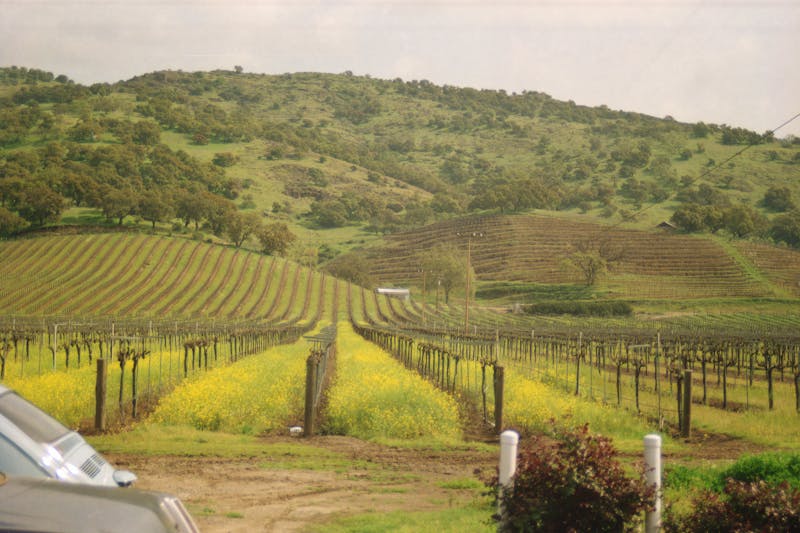
The time of year you visit dramatically affects what you’ll see and experience in Sonoma. Harvest season from August through October offers the excitement of crush activities and vibrant vineyard colors, but it’s also the busiest and most expensive time to visit. Spring brings mustard blooms painting the valleys yellow, while winter offers a quieter, more intimate experience with fewer crowds and often more relaxed tasting room staff.
Even the time of day matters significantly. Morning tastings allow for a fresher palate and less crowded venues, while late afternoon visits offer beautiful golden-hour lighting for photos. Summer temperatures in certain areas can exceed 90 degrees, making midday visits uncomfortable.
Conclusion
Sonoma County rewards those who approach it with preparation and realistic expectations. By understanding the region’s vastness, making advance reservations, planning your transportation, respecting tasting room customs, and choosing your timing wisely, you’ll create memories that extend far beyond the wine itself. The key to an exceptional Sonoma wine country experience lies not in visiting the most wineries, but in savoring each stop with intention and appreciation for the remarkable terroir and craftsmanship that make this region world-renowned.
Leave a Reply