Winter dressing has a reputation for being practical first and stylish second. Once the temperature drops, it’s easy to fall into the same routine: heavy coat, dark trousers, thick knit, sturdy shoes, repeat. There’s nothing wrong with that formula, but after a few weeks it can start to feel more like weatherproofing than getting dressed. The good news is that warmth and style don’t have to compete with each other. A winter wardrobe can still feel polished, interesting and personal without relying on awkward layers or shoes that look great but make you regret leaving the house.
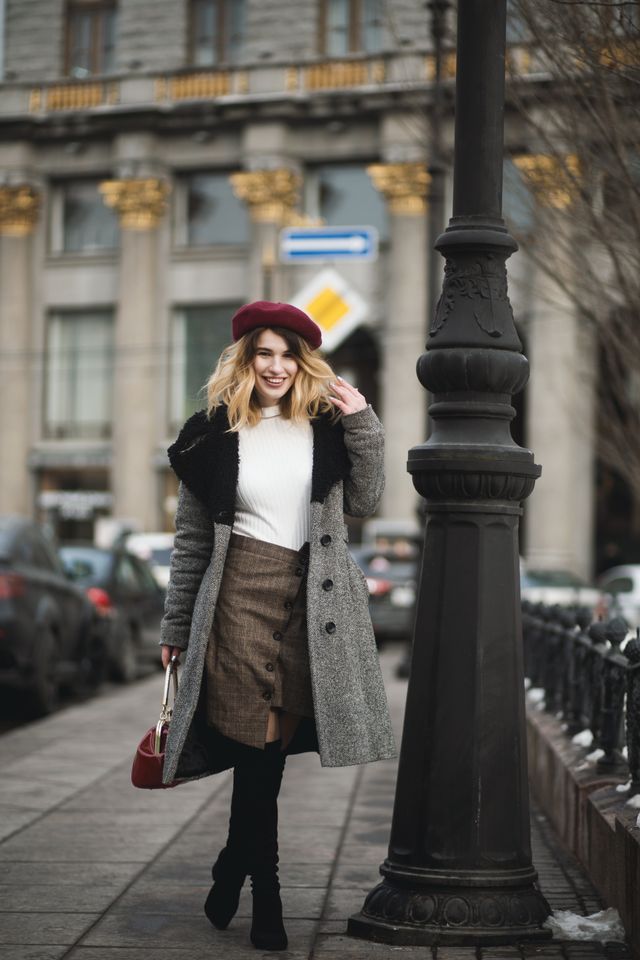
Pic – EVG Kowalievska
Even something as simple as choosing the right winter shoes for women can make a noticeable difference to both comfort and the overall feel of an outfit. Cold weather puts more demands on footwear than almost any other season, so it pays to think about support, materials, versatility and how a pair will work with the clothes you actually wear.
Start With Warmth Where It Matters Most
The easiest mistake to make in winter is piling on bulky layers without thinking about where the warmth is actually coming from. A lightweight thermal layer under a knit can often be more effective than wearing one enormous jumper, while wool socks, lined footwear and a coat that properly blocks the wind can do more for comfort than simply adding another cardigan.
This matters because excessive bulk can make outfits feel cumbersome. When your base layers are doing their job, the rest of your wardrobe gets more freedom. You can wear cleaner silhouettes, lighter knits and more structured outerwear without spending the day shivering. The goal is strategic warmth rather than maximum volume.
Let Outerwear Carry Some Personality
For a lot of people, the coat is the most visible part of a winter outfit. You could be wearing your favourite shirt underneath, but if you’re outdoors, almost nobody is going to see it. That makes outerwear one of the best places to put a little more thought into your look.
A classic wool coat works for almost everything, while a cropped jacket can give wide-leg trousers or a midi skirt better proportions. Quilted jackets, trench-style coats and textured wool blends can also add variety without becoming difficult to style. You don’t necessarily need several coats; one or two strong options that suit your lifestyle can completely change the way the rest of your winter wardrobe feels.
Don’t Treat Shoes as an Afterthought
A black ankle boot is an obvious winter staple, but it doesn’t have to be the only option. Loafers, weather-appropriate sneakers, structured flats and different boot shapes can all have a place depending on the climate and occasion. Different materials and silhouettes can also shift the mood of an outfit more than people realise.
A pair of trousers and a knit can feel polished with sleek leather shoes, more relaxed with sneakers, or more contemporary with a chunkier sole. When shoes are comfortable and visually interesting, the rest of the outfit often requires very little effort. It’s also worth being realistic about how much walking you do and how long you’re likely to wear a pair. Winter footwear needs to work in the real world, not just look good in front of a mirror.
Use Texture to Keep Neutrals Interesting
Winter is arguably the easiest season for adding texture. Wool, suede, leather, corduroy, brushed cotton and chunky knits can all sit alongside one another without looking overdone. In fact, combining textures is often what stops a neutral winter outfit from feeling flat.
Imagine an outfit made entirely from black. If every piece is the same smooth fabric, the result can feel quite severe. Introduce a ribbed knit, leather shoe, wool coat and softer scarf, and suddenly the outfit has much more depth. The same principle works with beige, grey, navy or brown, making texture especially useful if bright colours aren’t really your thing.
Make Layers Easy to Remove
Winter outfits need to work indoors as well as outdoors, which is where layering can become frustrating. A heavily layered outfit may feel perfect on the street and unbearable five minutes after you walk into a heated café, office or shopping centre.
The solution is to create layers that work independently. Instead of building an outfit around a thick jumper you can’t realistically remove, try a shirt or long-sleeve top under a cardigan, jacket or vest. Each layer should ideally look intentional rather than purely functional, so taking one off doesn’t leave you feeling as though half the outfit has disappeared.
Play With Colour and Proportion
Winter wardrobes naturally drift towards darker shades because they’re easy to coordinate and suit the season, but small injections of colour can keep things from becoming monotonous. A burgundy bag, forest-green knit, cobalt scarf or warm camel shoe can break up an otherwise dark look without making the outfit feel overly bright.
Proportion matters just as much. Loose trousers, an oversized knit, a long coat and chunky shoes can all be comfortable, but wearing everything oversized at once may overwhelm the silhouette. If the knit is roomy, consider a straighter trouser or skirt. If you’re wearing wide-leg pants, a slightly more fitted top can create balance. Comfort doesn’t have to mean shapelessness.
Build a Winter Wardrobe You Actually Want to Wear
The most successful cold-weather wardrobes aren’t necessarily the biggest or the trendiest. They’re the ones that make getting dressed feel straightforward. You want enough warmth to be comfortable, enough versatility to handle different parts of your day, and enough personality that you don’t feel like you’re wearing the same uniform until spring.
Focus on practical foundations, interesting textures, dependable footwear and layers that work together rather than fighting for space. Once those pieces are in place, winter style becomes much less about enduring the season and much more about enjoying what you get to wear during it.
Leave a Reply