Motherhood already demands more hours than a day actually holds. There are school drop-offs, snack prep, homework supervision, and the never-ending laundry pile. Add in jobs, after-school schedules, and the pressure to somehow carve out “me time,” and most moms are already stretched to the limit. But for many women, the load doesn’t stop there. Alongside raising children, they are also caring for aging parents.
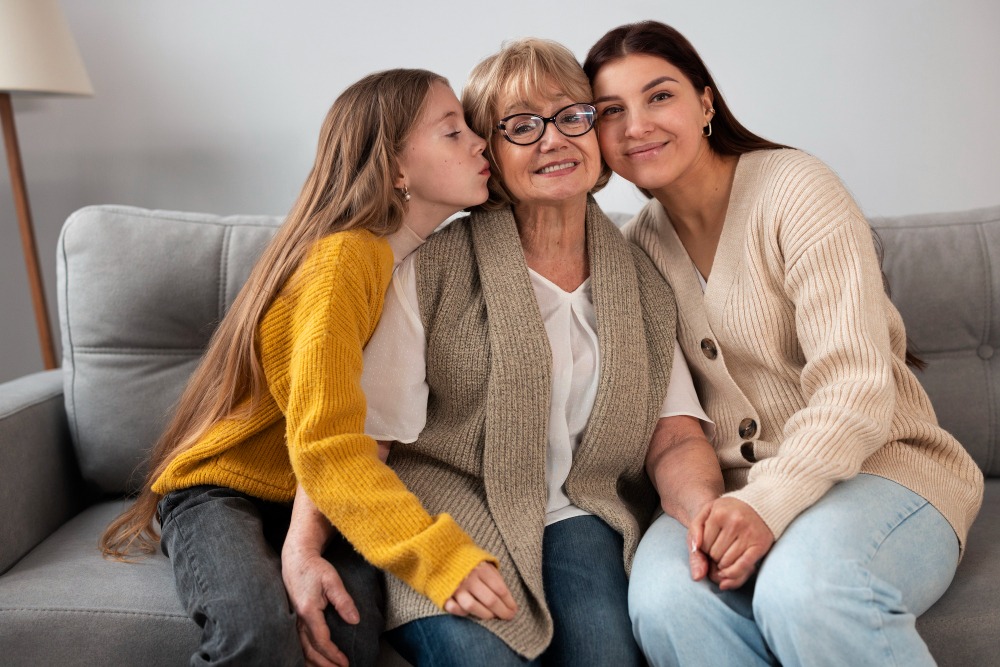
This dual responsibility is often referred to as the “sandwich generation,” because you are literally sandwiched between two groups of dependents: kids on one side and elderly parents on the other. It is not just a catchy label. It is the lived reality of millions of moms who are constantly juggling two full sets of needs at once.
The Mental and Emotional Toll
Balancing parenting with elder care isn’t just about time management. It’s about the emotional whiplash that comes with switching roles all day. In the morning you might be dealing with a tantrum over mismatched socks, and by afternoon you’re fielding a call from a parent’s doctor about new medications.
The emotional weight is real. Moms in this position often carry guilt for not being fully present in either role. You may feel you’re neglecting your children when you’re attending to your parents, or that you’re failing your parents when you prioritize your kids. The guilt multiplies, and it rarely feels like there’s a “right” choice.
Over time, this constant toggling can lead to chronic stress, burnout, and even health problems of your own. Mental fatigue is not a side effect here…it’s the baseline.
The Practical Strain on Families
Raising kids comes with predictable expenses: school supplies, clothes, activities, and savings for the future. Add elder care, and the financial demands increase quickly. Prescriptions, mobility aids, home adjustments, or professional caregivers often become necessary. Even if your parents are relatively independent, unexpected costs can appear without warning.
The overlap of these expenses forces many families into financial triage. Something always feels like it is coming up short. And since moms are often the family organizers, they end up not only managing their own budgets but also handling logistics and paperwork for their parents. It’s an invisible labor that goes unnoticed, but it compounds daily.
Small purchases that reduce the daily burden can add up in a meaningful way. Adaptive footwear from Silverts, for example, addresses a common but often overlooked need for seniors managing swelling or circulation issues, and takes one more task off the caregiver’s list.
Why Moms Feel It the Hardest
Of course, men experience the sandwich generation too, but studies consistently show that women carry the bulk of caregiving responsibilities. Society still frames women as the default caregivers. This expectation means moms often absorb the emotional and physical labor of both parenting and elder care, even when other family members are available.
This isn’t just a personal issue. It’s a cultural one. Women are taught to nurture, to hold families together, to “make it work.” But when the weight of two generations falls on one person, no amount of good intentions can prevent exhaustion.
Coping with Double Duty
There’s no magic solution for balancing two full-time caregiving roles, but there are strategies that can ease the load.
- Set boundaries. You don’t need to say yes to every request. Decide what you can realistically handle, and communicate it clearly with both your kids and your parents.
- Divide the work. If you have siblings or extended family, push for shared responsibility. Even if it’s just taking over one recurring task, the relief matters.
- Make use of community programs. From senior day programs to local after-school clubs, these resources exist to support families. The challenge is often giving yourself permission to use them.
- Accept professional help. Outsourcing care, even partially, isn’t giving up. It’s protecting your ability to function for the long run. Services from home health care experts can provide trained support that keeps your parents safe while allowing you to focus on your children without constant interruptions.
Redefining What “Good Care” Looks Like
One of the biggest hurdles moms face in this situation is internal. Many feel like they are failing if they don’t handle everything themselves. The reality is that no one can do it all. Good care doesn’t mean doing every task personally. It means making sure needs are met. Sometimes through your effort, sometimes through support systems.
Your kids need a mom who isn’t constantly drained. Your parents need a daughter who isn’t one crisis away from collapse. Accepting outside help isn’t a weakness; it’s a strategy for survival.
Talking About the Hard Parts
One reason this struggle feels so heavy is that it isn’t widely discussed. Parenting blogs and social media feeds show curated images of family life, but they rarely capture the reality of juggling two generations. The truth is that millions of women are doing this every day, quietly, behind the scenes.
Talking about it openly matters. It normalizes the difficulty and shows other moms they aren’t alone. It also highlights the importance of advocating for structural support, better parental leave, elder care policies, and community resources designed for families caught in the middle.
Teaching Through Example
Ironically, as draining as this balance can be, it also sets a powerful example. Children who see their moms caring for grandparents learn what responsibility, empathy, and family commitment look like in practice. They witness compassion as more than just words, and that lesson will stay with them as they grow.
The key is not letting that lesson come at the cost of your own health. Demonstrating balance (through boundaries, teamwork, and the use of professional support) teaches your children just as much as the caregiving itself.
Final Thoughts
Being a mom is already demanding. Adding elder care turns life into a nonstop juggling act. The physical exhaustion, emotional strain, and financial stress are real, and pretending otherwise doesn’t help anyone. What helps is acknowledging the challenge, seeking support, and refusing to carry it all alone.
Every family’s situation is unique, but the need for relief is universal. Professional caregivers, family cooperation, and community programs can make the difference between constant burnout and sustainable balance.
You can’t pour from an empty cup. Caring for your kids and your parents at the same time requires support, and it requires letting go of the idea that doing everything alone is the only form of love.
Leave a Reply