You’d think that by the time you’re in your 40s, you understand the world reasonably well. And then a book like Middlemarch comes along and quietly unsettles that confidence.
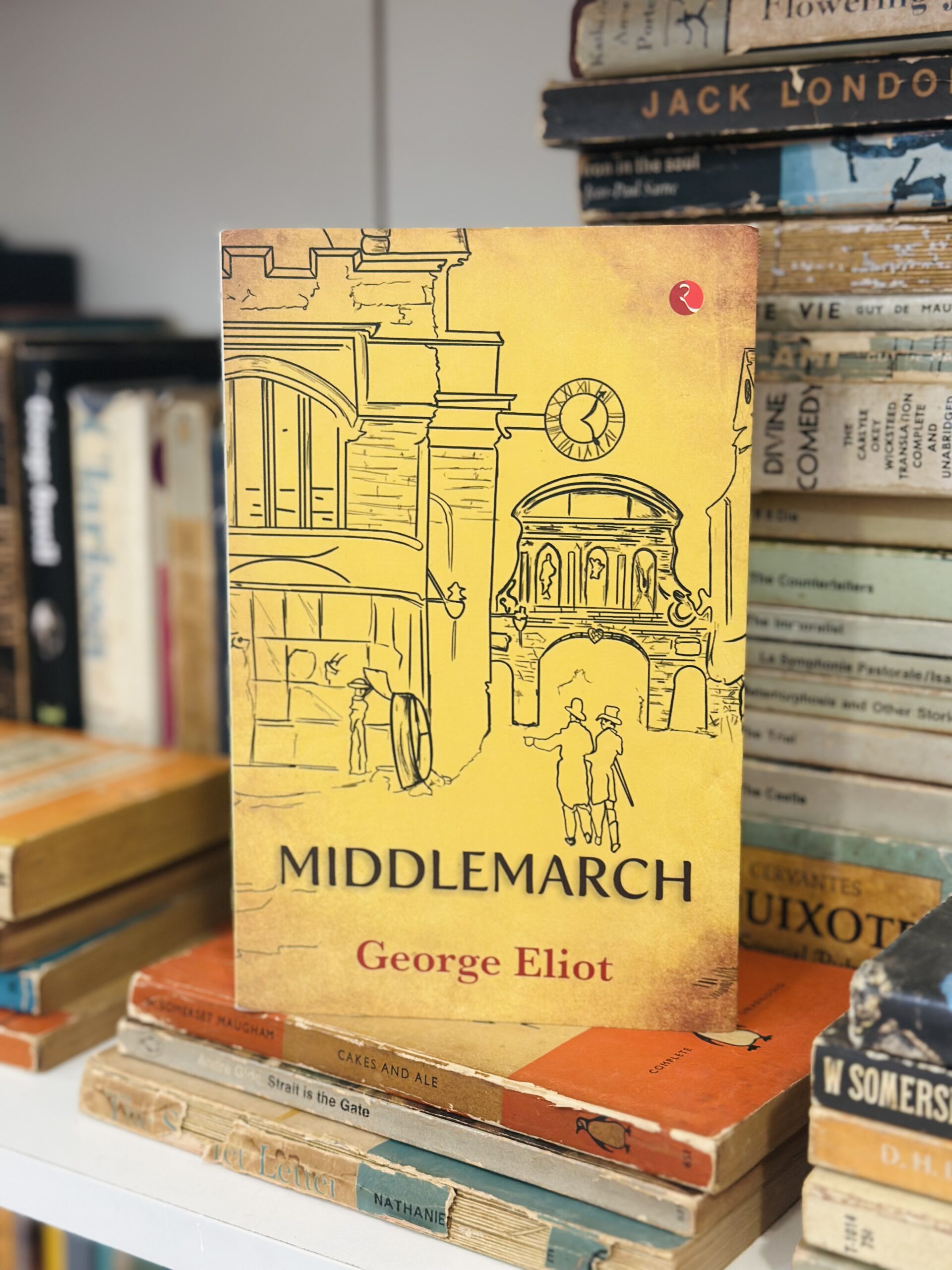
Reading it felt like a slow revelation. With its detailed observation and psychological depth, it left me with more insight into relationships and marriages than many modern discussions ever have. One idea, in particular, stayed with me.
It’s so easy to look at a troubled marriage from the outside and say, “She should have married someone else,” or “He would have been happier with a different kind of woman.” We love the idea of better matches, more suitable partners, alternate lives that might have turned out perfectly if only one decision had been different.
But Middlemarch suggests something far more uncomfortable about human nature. The world doesn’t work like that. The human mind certainly doesn’t. We don’t simply leave relationships because they are unsuitable. We quarrel, we regret, we wound and repent – but we often remain. We choose, and then we continue choosing the same person (we are all said to have an “type”), even when the choice costs us something. Sometimes even when we lose parts of ourselves in the process.
And perhaps, had we married the “ideal” person a third party would have selected for us, we might never have fully appreciated or loved them. We are flawed creatures. We attach ourselves imperfectly. We endure. We justify. We hope. We stay. Whether that is doom or destiny is hard to say – but it feels profoundly human.
Through the seemingly mundane daily lives of people in the fictional town of Middlemarch, George Eliot offers not just a story but a study of this human condition. She reveals how complex, contradictory, and stubbornly emotional we are.
I will admit something: my only peeve was the constant comparison people make between George Eliot and Jane Austen. Simply writing about 19th-century society does not make two authors alike. In fact, I struggled with the first few pages because my mind kept trying to measure Eliot against Austen. It was unfair to the book.
About eighty pages in, something shifted. I stopped comparing and started observing. I felt like a fly on the wall in Middlemarch, quietly watching lives unfold. That’s when I knew I was going to love it.
Originally published in eight volumes and running over 800 densely packed pages, it sounds intimidating. But not once did it feel slow. The richness of detail is what sustains it. The psychological nuance. The social commentary. The sharp, often scathing wit. Eliot’s sarcasm is direct, almost bracing at times, and her boldness in exposing hypocrisy feels startlingly modern.
Dorothea and Lydgate, especially, felt astonishingly real to me. Their decisions are flawed in ways that feel painfully familiar. You may not agree with their choices. You may even want to shake them. But you understand them. And in understanding them, you begin to understand something about human nature itself.
That was my greatest takeaway from Middlemarch: not a moral lesson, not a romantic ideal – but a deeper compassion for the complicated, often irrational ways we live and love.
And as happens with all truly great books, I reached the final page reluctantly, closed it, and returned to my own world slightly altered.
Leave a Reply