Early childhood is a critical period for developing strong cognitive skills while at the same time fostering emotional resilience and social awareness, all of which guide lifelong learning. To support this holistic development, educators and parents increasingly turn to inquiry-based learning, a framework that mirrors how young children naturally explore their environment.
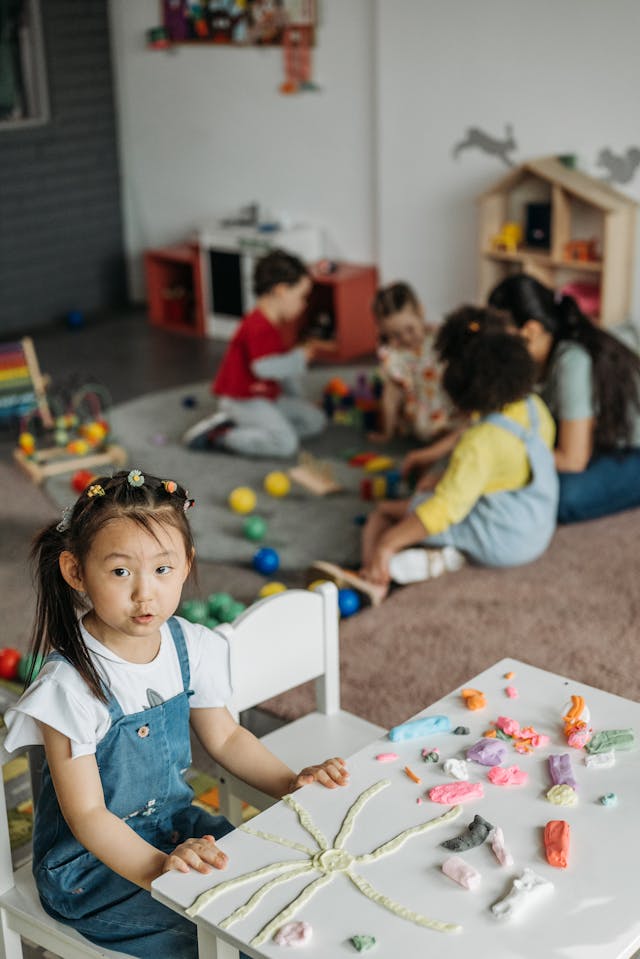
Photo by Pavel Danilyuk
Inquiry-based learning encourages children to question and discover, rather than simply absorbing information presented to them. Unlike traditional teaching methods, which often rely on memorization and passive listening, this approach allows curiosity to guide the learning process. In environments where students come from diverse backgrounds, such as an international preschool in Singapore, children thrive when education is interactive and responsive to their individual interests.
To understand what makes this method so impactful, it helps to explore how inquiry-based learning supports key areas of early development.
-
It Builds Curiosity and Intrinsic Motivation
Inquiry-based learning nurtures curiosity by encouraging children to ask questions and explore topics that genuinely interest them. When learning begins with a child’s curiosity, engagement comes naturally, and children remain invested for longer periods. This internal motivation helps children persist even when tasks become challenging.
Moreover, curiosity-driven learning teaches children that exploration is valuable. Children learn to seek answers actively rather than waiting for instruction, which strengthens confidence and initiative. Over time, this motivation supports a positive attitude toward learning in academic and everyday contexts.
-
It Strengthens Cognitive and Thinking Skills
Inquiry-based learning also deepens cognitive development by helping children think analytically and flexibly. Children are encouraged to engage with patterns and explore possibilities, which helps them build early reasoning. They also engage in simple experiments, such as testing which objects float or sink, or exploring how magnets attract different materials. After conducting these activities, they discuss what happened and consider why outcomes differed from their predictions. These experiences help children move beyond surface-level understanding toward deeper comprehension.
At the same time, children learn to revise their thinking when new information emerges. This process strengthens cognitive flexibility and supports foundational skills such as cause-and-effect reasoning and early scientific thinking. These abilities prepare children for more complex learning later on.
-
It Enhances Language and Communication Development
Language becomes a natural part of children’s everyday experiences when learning revolves around exploration. In inquiry-based learning, they are asked to describe observations and respond to questions, which helps expand their vocabulary. The way they structure sentences also improves as they’re encouraged to explain ideas. Understanding what is dysgraphia dyslexia can also help parents and educators recognize how different learning needs may affect children’s reading and writing development. This growth feels authentic because it ties directly to the activities and discoveries that engage them most.
In addition, frequent discussion promotes listening skills and conversational turn-taking. Group inquiry encourages children to articulate thoughts clearly while considering others’ perspectives. Over time, children gain confidence using language to engage meaningfully with peers and adults.
-
It Supports Social and Emotional Growth
Children develop social and emotional skills as they interact with peers during exploration. Collaborative activities encourage sharing and empathy, while guided reflection helps them understand their own emotions. These experiences strengthen relationships that carry into future learning.
Emotionally, inquiry-based learning fosters resilience and confidence. When children encounter challenges and work through them, they learn that effort leads to progress. This understanding helps children manage frustration and develop persistence. It also builds a healthy attitude toward mistakes as opportunities for growth.
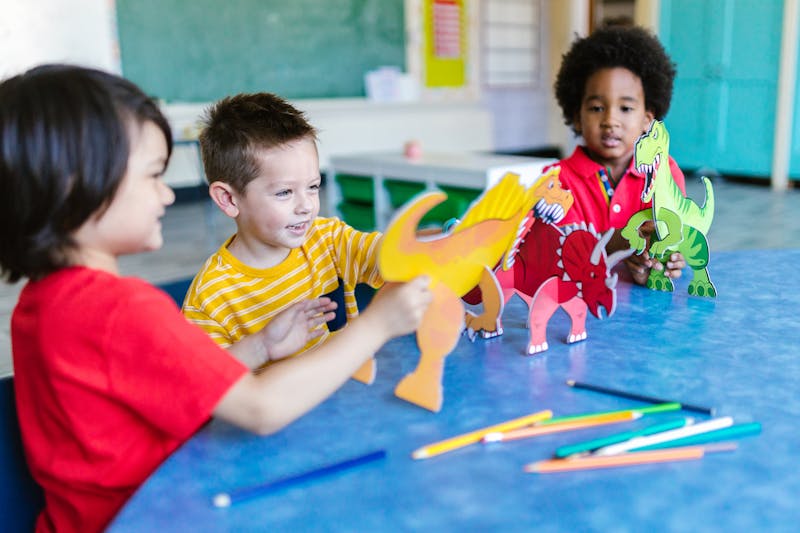
Photo by RDNE Stock project
-
It Promotes Independence and Learner Agency
When children choose how to explore and approach questions, they also gain a sense of control. Inquiry-based learning creates opportunities for children to choose what questions to explore and how to approach them. Educators in may let them decide which materials to use or which observations to record. Such activities encourage responsibility and nurture self-direction. As children make discoveries independently, they develop a sense of competence and agency. This self-belief prepares them to take responsibility for learning tasks and builds confidence that carries forward into more structured educational settings later in life.
-
It Connects Learning to Real-World Experiences
Children make deeper connections when learning links directly to their surroundings. In inquiry-based learning like the ones taught in a preschool in singapore, concepts are taught through everyday phenomena, such as the weather or objects they encounter every day. Inspiration can also come from simple experiments that connect new information to prior knowledge. For example, children can explore how plants grow by placing seeds in different conditions, one in sunlight and another in darkness. As they observe changes over several days, they connect these new observations to what they already know about sunlight and plant care. As a result, learning feels purposeful because children can clearly see how it applies to their world.
Learning That Is Centered around Inquiry Helps Build a Strong Foundation for Lifelong Learning
Inquiry-based learning shapes how children approach learning long after early childhood. When children grow accustomed to asking questions and reflecting on outcomes, they develop a mindset that values curiosity and effort. This mindset influences how they respond to new challenges and complex problems as they grow.
Equally important, inquiry-based learning helps children see themselves as capable thinkers whose ideas have value. This belief fosters confidence and a willingness to engage with the world thoughtfully. As children move into more formal learning environments, these qualities support academic growth as well as meaningful participation in their communities.
Leave a Reply