A recent survey across Britain set out to answer a deceptively simple question: what does the ideal garden look like today? The answers paint a fascinating picture of evolving tastes.
From romantic cottage planting to sleek urban patios, British gardens are no longer confined to tradition. Instead, they reflect a blend of heritage, lifestyle, and practicality.
What’s particularly striking is how personal these spaces have become. Take a look at these new favourites, and see which style is closest to your heart!
Cottage Gardens Remain Britain’s Enduring Favourite
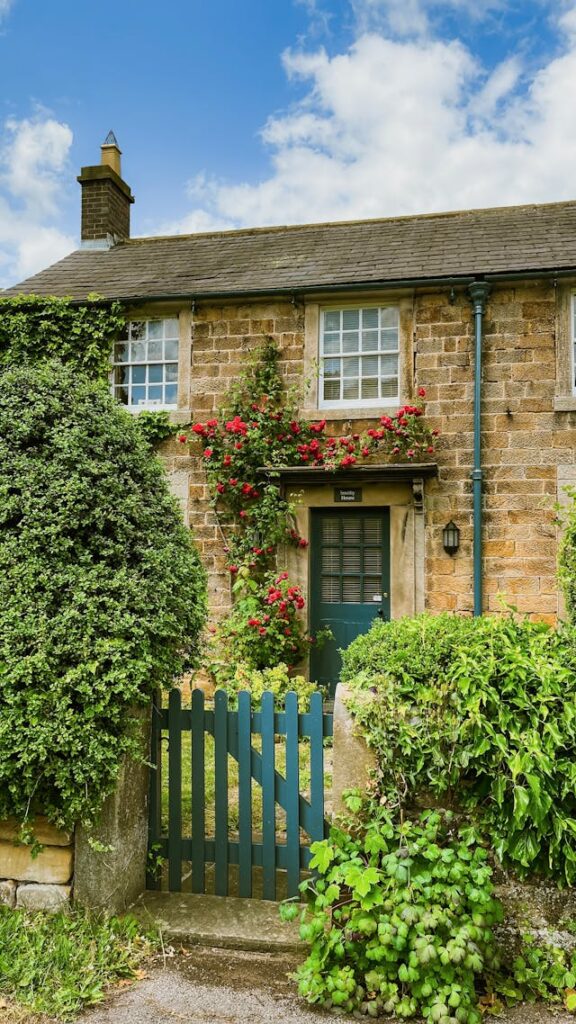
It will come as no surprise that the cottage garden still holds the nation’s heart. There’s something undeniably comforting about its slightly unruly charm.
Imagine all the beds spilling over with roses, lavender, foxgloves, and the occasional herb tucked in for good measure.
This style feels quintessentially British. It’s less about precision and more about abundance, where colour and texture take centre stage. In places like the Cotswolds or rural Kent, it’s a look that feels entirely at home, echoing the surrounding countryside.
Beyond aesthetics, cottage gardens also align neatly with modern priorities. By favouring native and pollinator-friendly plants, they support local wildlife. Plus, they require relatively low intervention. It’s a garden style that manages to feel both nostalgic and forward-thinking.
Minimalist Zen Gardens Offer a Calm Escape
Coming in as a close second, minimalist Zen-inspired gardens reflect a growing desire for calm and simplicity. In a world that rarely slows down, these spaces offer a sense of stillness that many homeowners are actively seeking.
Defined by clean lines, restrained planting, and carefully chosen materials, Zen gardens are less about decoration and more about atmosphere. Gravel, stone, and sculptural greenery work together to create a balanced, meditative space.
They’re particularly well-suited to smaller urban gardens, where clutter can quickly overwhelm. A thoughtfully placed bench, a few architectural plants, and a neutral palette can transform even the most modest courtyard into a peaceful retreat.
It’s the garden equivalent of a deep breath—simple, intentional, and surprisingly impactful.
Contemporary Patio Gardens Are Redefining Urban Living
In cities across Britain, from Manchester to Bristol, contemporary patio gardens are becoming increasingly popular—and for good reason. With outdoor space often limited, homeowners are making every square metre count.
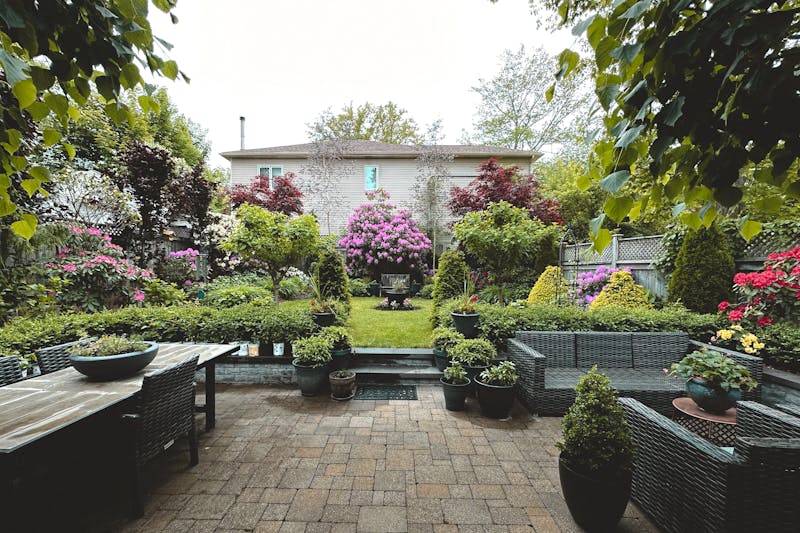
These gardens prioritise usability without sacrificing style. Clean lines, neutral tones, and modern materials like concrete, metal, and timber create a polished, cohesive look. The result is a space that feels more like an outdoor room than a traditional garden.
Features such as built-in seating, fire pits, and even compact outdoor kitchens are no longer unusual. Lighting plays a key role too, with subtle LEDs and string lights adding warmth and extending usability well into the evening.
It’s a practical yet stylish solution, perfectly suited to modern urban life, where space is limited, but expectations are anything but.
Regional Styles Reflect Britain’s Diverse Character
One of the survey’s most charming insights is just how much geography shapes garden design. Across England, Scotland, and Wales, gardens take on distinct personalities, each rooted in local culture and landscape.
In England, gardens often lean towards the traditional—think structured borders softened by abundant planting.
Roses, lavender, and neatly edged lawns create a look that feels both polished and inviting. It’s the sort of garden where a cup of tea feels almost compulsory.
Scotland, by contrast, embraces a more rugged aesthetic. Native plants like heather and thistle thrive in the climate, often paired with natural stone features that echo the surrounding landscape.
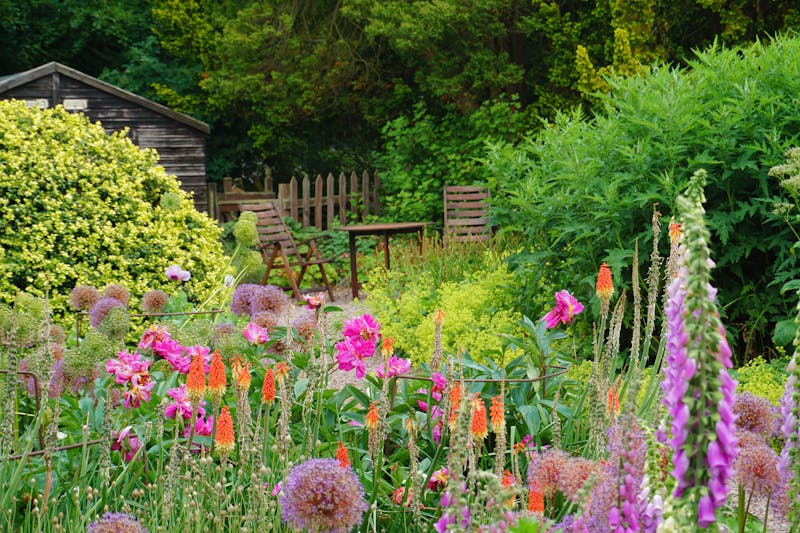
These gardens feel grounded and enduring, as though they’ve grown into the land rather than been imposed upon it.
Wales offers something of a middle ground. Here, traditional elements meet modern sustainability, with composting, rainwater harvesting, and community-minded gardening taking centre stage.
It’s not uncommon to find shared growing spaces or gardens designed with both beauty and environmental responsibility in mind.
Together, these regional differences highlight a simple truth: British gardens are as varied as the people who tend them.
Sustainability Is Shaping Modern Garden Choices
If there’s one clear trend running through the survey, it’s the rise of sustainable gardening. Around 62% of respondents expressed a preference for eco-friendly practices—a figure that reflects a broader cultural shift.
This doesn’t necessarily mean dramatic changes. Often, it’s the smaller decisions that add up. Choosing native plants reduces water usage and supports local ecosystems. Composting kitchen waste enriches soil naturally.
And a really important one is irrigation. Rainwater collection helps manage resources more efficiently, particularly during drier spells.
There’s also a growing appreciation for repurposed materials. Old timber, reclaimed bricks, or even unused containers are finding new life in garden design, adding character while reducing waste.
Far from being a passing trend, sustainability is becoming a defining feature of modern British gardens—one that balances beauty with responsibility.
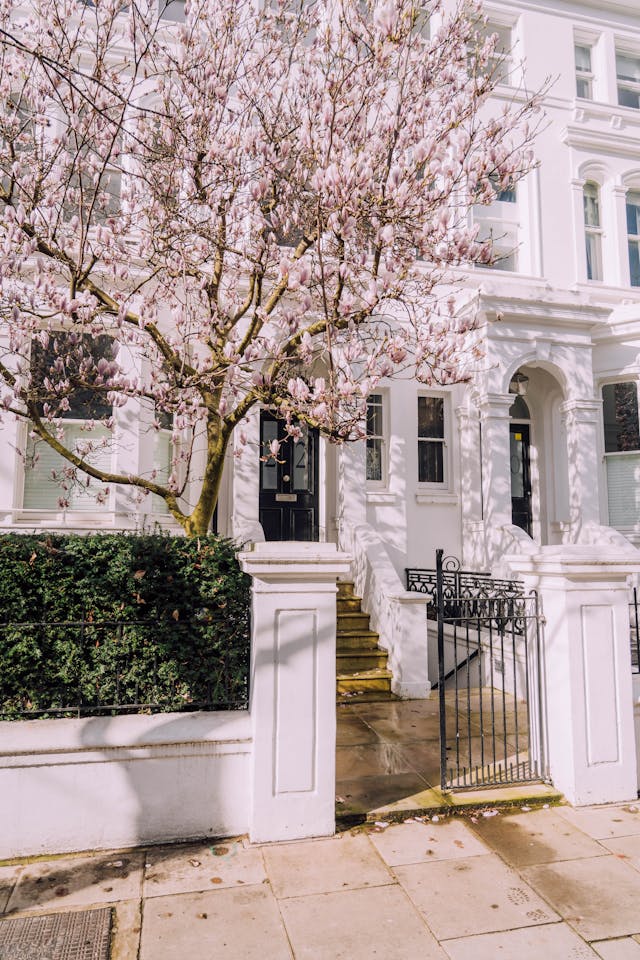
Creating a Garden That Feels Uniquely Yours
While trends offer inspiration, the most successful gardens are those that reflect personal taste. The good news is that creating a distinctive outdoor space doesn’t require an extravagant budget.
Starting with seeds rather than mature plants is a simple, cost-effective approach. It may take a little patience, but the reward is a garden that grows quite literally from your own efforts. There’s something truly satisfying about that.
Plant swaps and local gardening groups are another excellent resource. Beyond saving money, they bring a social element into the process. Plus, it’s often accompanied by shared advice and, more often than not, a friendly chat over tea.
For those short on time, low-maintenance planting is key. Lavender, ornamental grasses, and hardy perennials offer visual impact without constant attention.
Mulching, too, is an underrated trick—it retains moisture, suppresses weeds, and improves soil health with minimal effort.
And when it comes to décor, a little creativity goes a long way. A reclaimed ladder as a plant stand or a vintage find from a charity shop can add far more character than anything off the shelf.
If you want to achieve a truly polished outdoor space without the guesswork, working with bespoke garden design professionals can be a worthwhile investment.
A skilled designer doesn’t just focus on how a garden looks, but how it functions throughout the year—tailoring layouts, planting schemes, and materials to suit your home, lifestyle, and local climate.
Whether you’re in a compact London terrace or a sprawling countryside property, expert guidance can help you avoid costly mistakes and create a garden that feels cohesive, considered, and effortlessly appealing.
Conclusion
British garden design is evolving, but it hasn’t lost its soul. From the enduring charm of cottage gardens to the calm precision of Zen spaces and the practicality of modern patios, today’s trends reflect a balance between tradition and contemporary living.
Whether you’re drawn to wild, romantic planting or clean, structured design, create something that feels right for you. After all, the best garden isn’t the one that follows trends perfectly—it’s the one you actually enjoy spending time in.
Leave a Reply