Electricity is the lifeblood of many businesses, and it often runs in the background without anyone taking notice. However, when the lights begin to flicker and there’s an issue with the grid, this often becomes the centre of everyone’s attention.

Electrical setup should make sure that there’s power 24/7 since this is the foundation of their operations. This is where generators enter the picture because they’re the ones that can keep the power on even if there’s a blackout.
However, know that not all generators were built the same, and each facility often has different requirements. Many of them have high demands for consistent voltage, while the others rely on sensitive electronics that may get damaged if there’s an electrical fluctuation in the system. This is where a tailored approach becomes valuable, where a custom power system design can be provided by the best companies in the industry.
What is Load Assessment in the First Place?
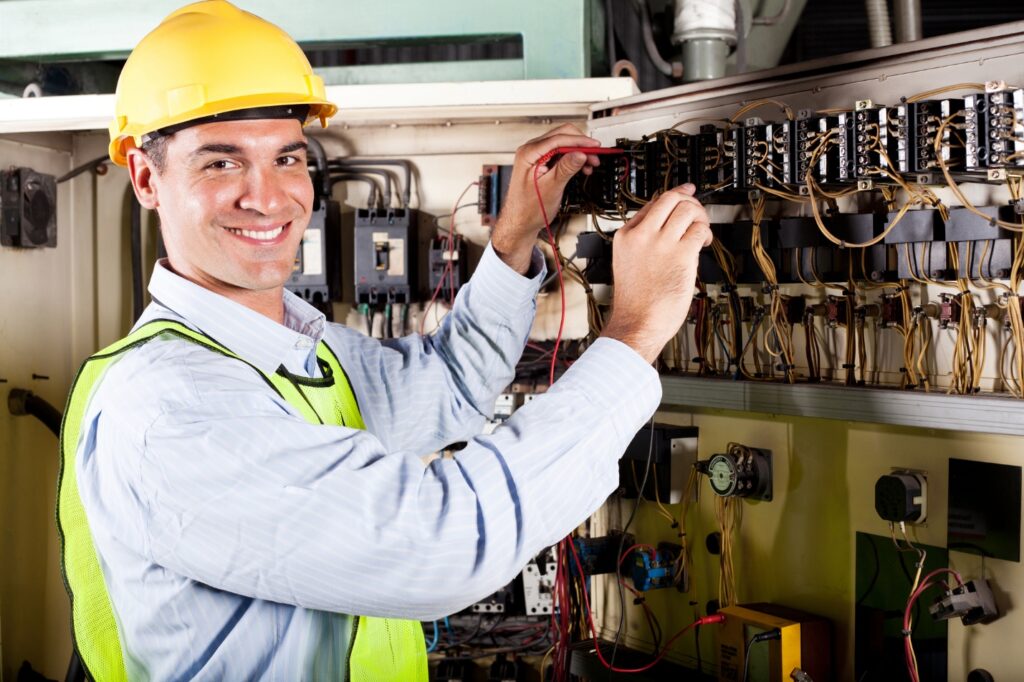
When a facility needs power, the first step that the experts will take is to calculate the demand. They’re going to help determine the amount of energy that a facility needs and how the usage can vary throughout the day. They’ll list the kinds of equipment available in the area, and they will anticipate any additional appliances later on.
Some of the engineers are going to the site to understand the flow of electricity through cooling systems and other machinery that often contribute to the total electrical consumption. This is going to avoid potential inefficiencies when they’re able to identify the right generator power that an industrial complex needs.
They’re Planning for Future Scaling
These experts know that after some time, the businesses are going to evolve, so their power systems should generally accommodate possible expansions in the future, so the company won’t have to do a major overhaul in their electrical systems. They are going to create a flexible framework that can include new departments in the future, so production is more likely to increase.
Their adaptation to the future of the business includes being efficient with their projects. The experts are aiming to reduce energy waste, so they select components that can stabilize the voltage levels in a facility. See more info about voltage when you go here.
Learning More About the Power Architecture
When the engineers are finished with the requirements that must be met, they will begin creating detailed layouts that will outline electrical distribution so that each element is working together seamlessly.
It’s where they select the right transformers as well as generators to distribute the electricity across different areas while following the building codes in their area. In this phase, there are technical evaluations that can often help identify potential weaknesses so they can be avoided entirely.
They Select the Right Pieces of Equipment
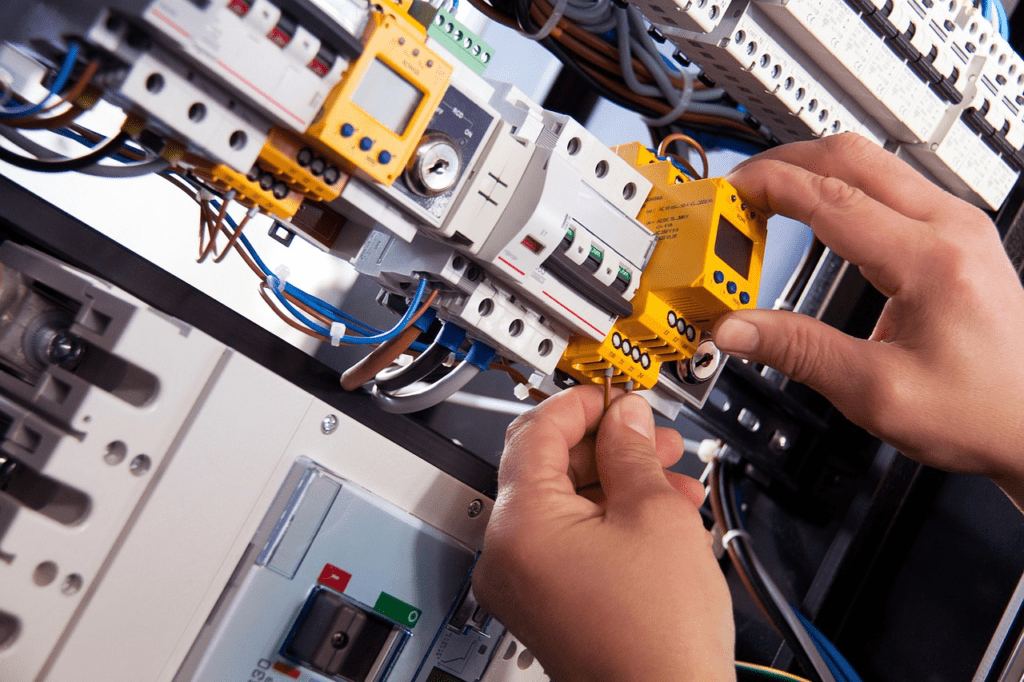
Installing the right components is important to make sure that the power project lasts long. The engineers are going to check for the technical specifications of each generator that they’re considering, and they also collaborate with the manufacturers. This way, the entire system will be compatible with the existing infrastructure of an industrial facility.
They will be the ones responsible for the procurement and will make sure that everything is delivered on time. This is because any kind of delays at this stage can significantly impact the project, so the experienced teams work together with the vendors so they can meet the scheduled installations (https://www.designingbuildings.co.uk/wiki/Electrical_installation).
Integration of the Panels
After everything arrives, the technicians are going to install the panels according to the manufacturer’s instructions. They are going to follow the layout of the wiring and integrate the new components with the existing infrastructure. Some experts are going to include backup generators for security systems so they will still continue working even if the grid fails, so it’s best to check these out first.
The final phase is the rigorous testing of the equipment to see if it’s reliable. The professionals are going to do load simulations to see if the electricity is enough for the needs of a commercial building, and they will also identify potential issues before they deem the system to be fully operable. Adjustments can also be made during this stage to ensure stable performance from the new system.
Leave a Reply