If you’ve been curious about hyperbaric oxygen therapy but feel overwhelmed by the technical jargon and medical terminology, you’re not alone. This innovative treatment has gained significant attention in recent years for its potential healing benefits, yet many people remain uncertain about what actually happens during a session. Whether you’re considering this therapy for wound healing, athletic recovery, or another health concern, understanding the basics will help you approach your first session with confidence and realistic expectations.
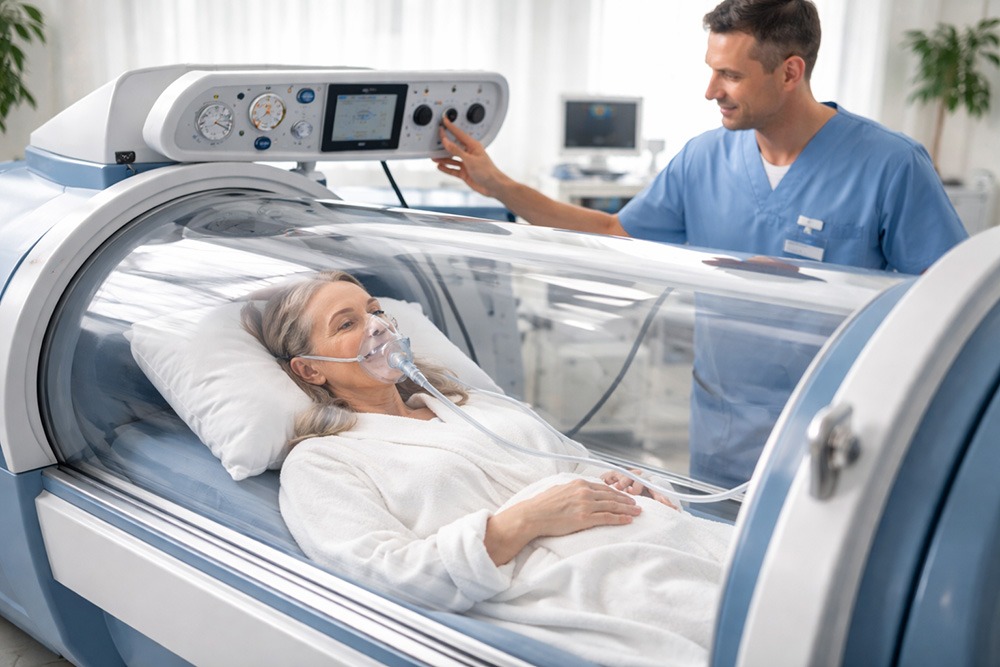
What Happens During Your First Session
Your initial hyperbaric oxygen therapy session will likely begin with a thorough consultation and health assessment. A trained technician or medical professional will review your medical history, explain the procedure, and answer any questions you might have about the treatment process.
Before entering the chamber, you’ll typically be asked to change into comfortable, 100% cotton clothing provided by the facility. This is a safety precaution since synthetic materials can create static electricity in oxygen-rich environments. You’ll also need to remove any petroleum-based products, perfumes, or hair care items that could pose a fire risk.
The staff will show you how to equalize the pressure in your ears, similar to what you might do on an airplane. This is one of the most important skills to master, as pressure changes are a fundamental part of the therapy.
Understanding the Chamber Environment
Hyperbaric chambers come in two main types: monoplace chambers designed for one person and multiplace chambers that can accommodate several patients simultaneously. Monoplace chambers are clear acrylic tubes where you lie down comfortably, while multiplace chambers are room-sized units where you can sit or recline.
Once inside, the chamber will gradually pressurize to the prescribed level, typically 1.5 to 3 times normal atmospheric pressure. This process usually takes about 10 to 15 minutes, and you’ll feel sensations similar to descending in an airplane. The total session duration typically ranges from 60 to 90 minutes, depending on your treatment protocol.
Many facilities offer entertainment options like television, music, or audiobooks to help pass the time. The environment is generally quiet and relaxing, allowing many patients to rest or even nap during their sessions.
What Your Body Experiences
During the session, your lungs will absorb significantly more oxygen than they would under normal conditions. This oxygen-rich blood then circulates throughout your body, reaching tissues and cells that may have limited blood flow or oxygen supply.
You might notice some physical sensations during treatment. Your ears may feel full or plugged as the pressure changes, which is why learning proper equalization techniques is essential. Some people report feeling slightly tired or energized after sessions, though experiences vary considerably from person to person.
The increased oxygen levels can also cause temporary vision changes in some patients, particularly during extended treatment courses. These changes are typically reversible and resolve after treatment concludes.
Finding the Right Facility
When searching for “hyperbaric chambers near me,” you’ll want to consider several important factors beyond just proximity. Look for facilities with certified hyperbaric technicians and medical oversight, as proper training and supervision are crucial for safe treatment.
Accreditation from organizations like the Undersea and Hyperbaric Medical Society indicates that a facility meets rigorous safety and quality standards. Don’t hesitate to ask about the staff’s credentials, chamber maintenance protocols, and emergency procedures.
Cost and insurance coverage also vary widely between facilities. Some treatments for FDA-approved conditions may be covered by insurance, while others require out-of-pocket payment.
Preparing for Multiple Sessions
Hyperbaric oxygen therapy rarely involves just a single session. Most treatment protocols require anywhere from 20 to 40 sessions scheduled over several weeks, depending on your specific condition and treatment goals.
Consistency matters significantly in achieving optimal results. Try to maintain a regular schedule and avoid skipping sessions when possible, as the therapeutic benefits build cumulatively over time.
Keep a simple journal noting how you feel before and after each session. This can help you and your healthcare provider track progress and adjust the treatment plan if necessary.
Safety Considerations and Side Effects
While hyperbaric oxygen therapy is generally safe when administered properly, it’s not suitable for everyone. People with certain lung conditions, untreated pneumothorax, or recent ear surgery may need to avoid this treatment.
The most common side effect is ear or sinus discomfort from pressure changes. More serious complications are rare but can include oxygen toxicity or barotrauma if protocols aren’t followed correctly.
Always communicate openly with your treatment team about any discomfort or concerns during sessions. They can adjust pressurization rates or provide additional support to ensure your safety and comfort.
Moving Forward with Confidence
Hyperbaric oxygen therapy represents a unique approach to healing that harnesses the power of pressurized oxygen. While the science behind it may seem complex, the actual experience of receiving treatment is straightforward and generally comfortable for most patients.
As you begin your hyperbaric journey, remember that patience and realistic expectations are key. Some people notice improvements quickly, while others require more time to experience benefits. Trust the process, communicate with your healthcare team, and give your body the opportunity to respond to this innovative therapy.
Leave a Reply