Preparing for your first journey to Kenya is an exciting adventure that requires some thoughtful planning. This East African gem offers everything from stunning wildlife safaris to pristine beaches, vibrant cultures, and breathtaking landscapes. However, like any international destination, Kenya has its own unique characteristics that first-time visitors should understand. Whether you’re dreaming of witnessing the Great Migration or relaxing on the Swahili Coast, these essential tips will help ensure your Kenyan adventure is both safe and unforgettable.
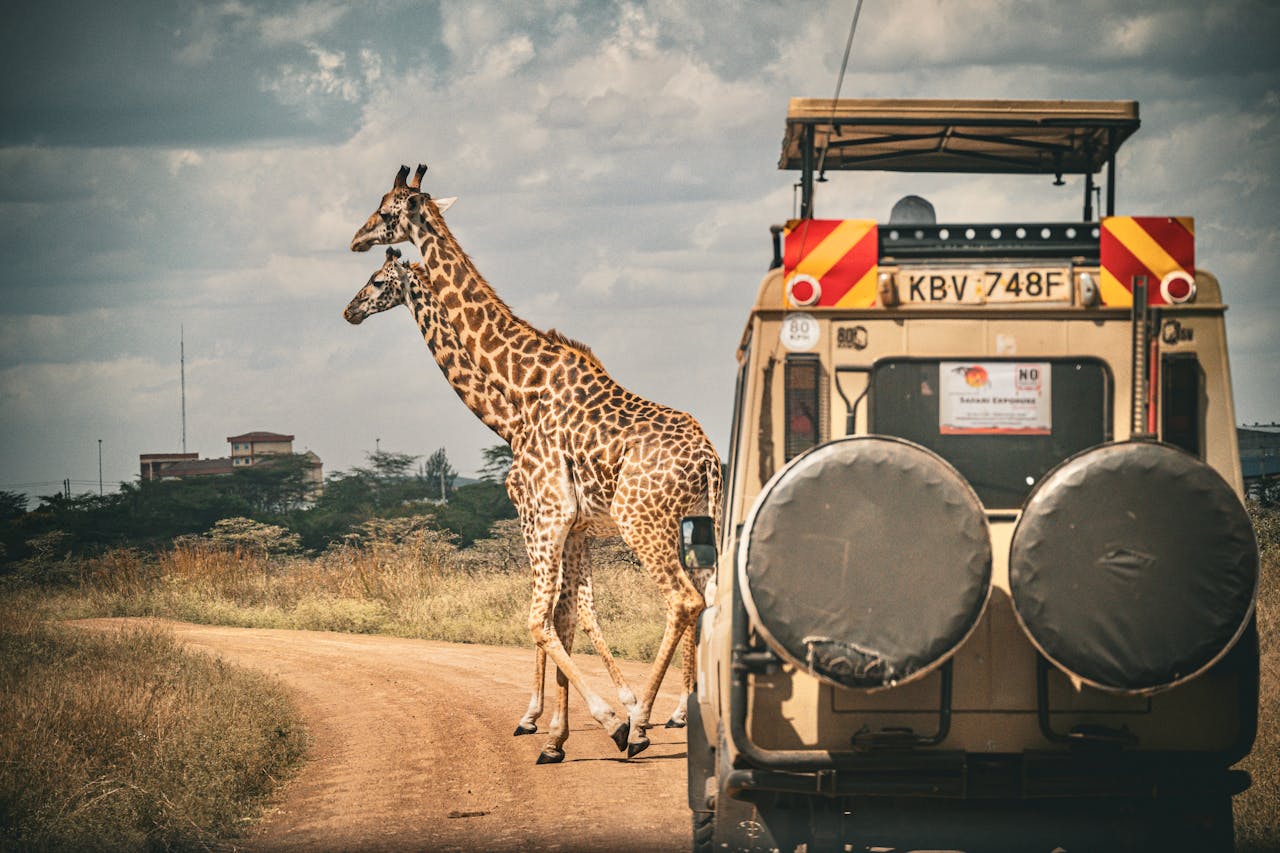
Plan an unforgettable trip to Kenya! Pic – Zacchaeus Rains
Visa Requirements Are Straightforward but Essential
Most international visitors can obtain an electronic visa before arriving in Kenya, which simplifies the entry process considerably. The eVisa system allows you to apply online at least seven days before your departure, though applying earlier is always safer. The process is relatively simple and costs around $50 for most nationalities.
Keep in mind that your passport must be valid for at least six months beyond your planned departure date from Kenya. Print a copy of your eVisa approval to present at immigration, even though it’s stored electronically, as backup documentation can prevent potential delays.
Vaccinations and Health Precautions Matter
Yellow fever vaccination is mandatory if you’re arriving from a country with yellow fever transmission, and proof of vaccination will be checked at the airport. While not always required, it’s highly recommended for all visitors since Kenya has mosquito-borne diseases in certain regions.
Malaria prophylaxis is strongly advised, especially if you’re visiting coastal areas or game parks at lower altitudes. Consult your doctor at least six weeks before departure to discuss antimalarial medications and other recommended vaccinations like typhoid and hepatitis A. Don’t forget to pack insect repellent with DEET and consider treating your clothing with permethrin for added protection.
The Best Time to Visit Depends on Your Priorities
Kenya’s climate varies significantly by region and season, making timing an important consideration. The dry seasons from June to October and January to February are ideal for wildlife viewing, as animals gather around water sources and vegetation is less dense.
If witnessing the Great Migration in the Maasai Mara is on your bucket list, plan your visit between July and October when millions of wildebeest cross the Mara River. However, these peak seasons also mean higher prices and more tourists. The shoulder seasons offer excellent value and fewer crowds, though you might encounter occasional rain showers.
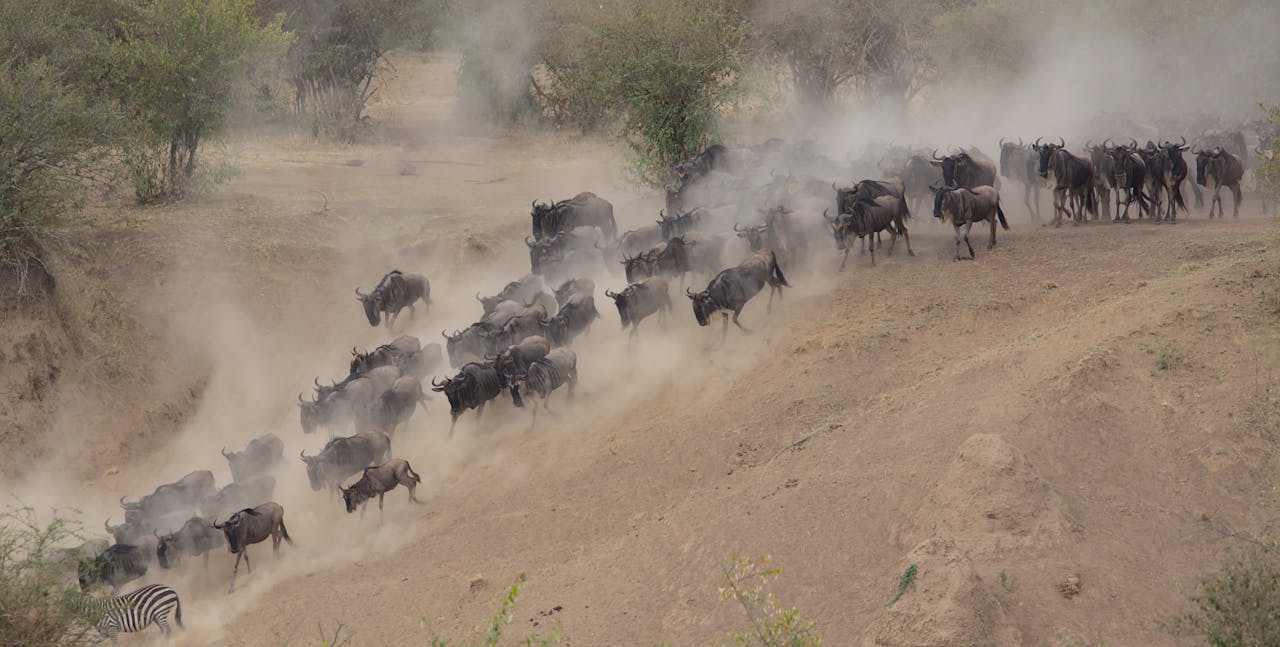
Plan your visit between July and October to witness the Great Migration in Maasai Mara, when millions of wildebeest cross the Mara River. Pic – Nirav Shah
Safari Planning Requires Research and Realistic Budgeting
Kenya trips can vary dramatically in price depending on your accommodation choices and safari style. Budget camping safaris start around $150 per person per day, while luxury lodges can exceed $800 per night. Remember that park entrance fees, typically $50-$100 per day, are usually additional costs.
Book your safari with a reputable operator who employs experienced guides and maintains their vehicles properly. Don’t be tempted by unusually cheap offers, as they often cut corners on safety, guide quality, or ethical wildlife practices. Reading recent reviews and asking detailed questions about what’s included will help you avoid disappointment.
Cultural Sensitivity Goes a Long Way
Kenyans are generally warm and welcoming, but respecting local customs will enhance your experience significantly. Dress modestly, especially in rural areas and along the coast where Muslim communities are prevalent. This means covering shoulders and knees in public spaces.
Always ask permission before photographing people, and be prepared to offer a small tip if they agree. Learning a few basic Swahili phrases like “jambo” (hello) and “asante” (thank you) demonstrates respect and usually earns you genuine smiles and appreciation.
Cash and Cards Both Have Their Place
While major hotels and lodges accept credit cards, many smaller establishments and markets operate on a cash-only basis. The Kenyan shilling is the local currency, and ATMs are widely available in cities and tourist areas. Carry small denominations for tips, market purchases, and situations where vendors cannot make change.
Notify your bank before traveling to avoid having your cards frozen for suspicious activity. US dollars are widely accepted for larger purchases like safari bookings, but ensure bills are newer than 2006, as older notes are often rejected.
Conclusion
Kenya offers an incredible diversity of experiences that will leave you with memories lasting a lifetime. By understanding these essential aspects before you depart, you’ll be well-prepared to navigate the practical considerations and focus on the extraordinary adventures awaiting you. From the wildlife-rich savannas to the welcoming Kenyan people, your first visit to this remarkable country will likely have you planning your return before you even leave.
Leave a Reply