Driving after dark is something almost every driver does, yet most people underestimate just how much more dangerous it really is. Nighttime driving increases the chance of a serious crash significantly, even for experienced drivers who feel completely comfortable behind the wheel.
The nighttime car accident risks in Spartanburg, SC, are real and deserve serious attention. Reduced visibility, impaired drivers, and unpredictable road conditions all combine to make after-dark driving far more hazardous than daytime travel.
Why Is Nighttime Driving Statistically More Deadly?
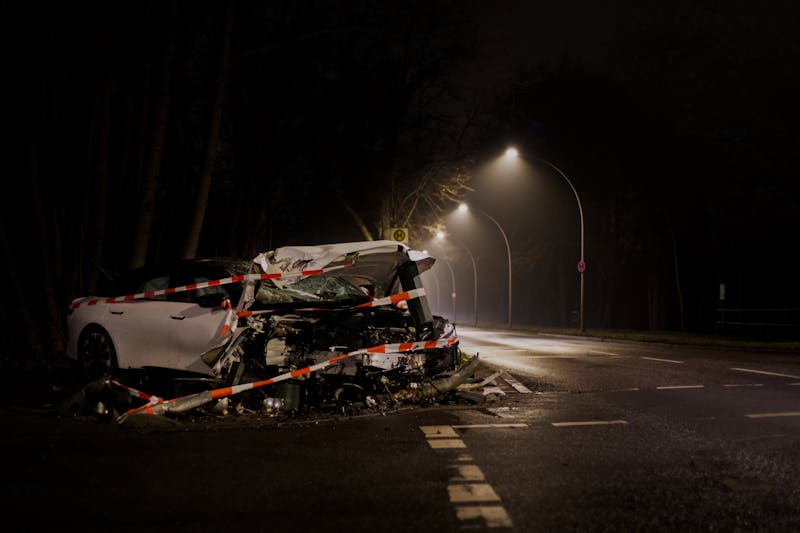
The numbers paint a clear picture of the danger. According to the Federal Highway Administration (FHWA), the nighttime fatality rate on U.S. roadways is three times higher than the daytime rate, and a striking 76 percent of all pedestrian fatalities occur at night. This is not simply about visibility. Fatigue, slower reaction times, and impaired judgment all play major roles. Drivers who feel fine may still be operating at reduced capacity when darkness falls. The human eye also struggles to judge speed and distance accurately in low light, which creates dangerous gaps in awareness that can lead to serious collisions.
Drivers injured on Spartanburg roads in these situations often face serious injuries, lost income, and mounting medical bills. Speaking with a Spartanburg car accident attorney at Stewart Law Offices, a firm working since 1995 and is recognized by Martindale, about legal rights and options is something many injured victims choose to do early in the process. Visit them to get more information about the legal process and their rights following a nighttime accident. Taking that first step toward understanding your options costs nothing and could make a meaningful difference.
What Makes Spartanburg Roads So Dangerous After Dark?
Several factors come together after dark to make roads far more unforgiving than they are during the day. Understanding what those factors are is the first step toward staying safer behind the wheel.
Poor Visibility And Inadequate Lighting
Many roads around Spartanburg, SC, including stretches along I-85 and older residential streets near downtown, lack consistent street lighting. Drivers may not see pedestrians, cyclists, or road hazards until it is too late to stop safely. Dirty or misaligned headlights make this even worse.
Drunk And Drowsy Driving
Late-night hours see a sharp rise in impaired drivers. Alcohol slows reaction time and reduces the ability to judge road conditions accurately. Drowsy driving mimics many effects of intoxication, including lane drifting and delayed braking, and both are major contributors to fatal nighttime crashes across South Carolina.
Speeding And Aggressive Driving
When traffic thins out after dark, some drivers speed. Lower traffic volume can create a false sense of safety, encouraging risky behavior that dramatically reduces stopping distance and decision-making time.
How Can Drivers Reduce Nighttime Accident Risks?
Reducing risk at night comes down to practical habits that every driver can adopt. Although following these steps does not eliminate all risk, they can meaningfully lower the chance of being involved in a serious crash.
- Keep headlights clean and properly aimed, replacing bulbs before they dim noticeably
- Slow down when visibility is reduced, such as in fog, rain, and construction zones
- Increase the following distance to at least four seconds behind the vehicle ahead
- Avoid looking directly into oncoming headlights to protect your night vision
- Pull over safely if feeling drowsy, rather than pushing through fatigue
- Never drive after consuming alcohol, even in small amounts
For answers to questions about nighttime accident claims in the Spartanburg area, Stewart Law Offices is available at 409 S Pine St, SC 29302, and can be contacted by phone at (864) 583-2223.
When Do Spartanburg Roads Become Most Dangerous At Night?
Certain conditions require extra attention after dark. Weekend evenings between 11 PM and 3 AM see the highest concentration of impaired drivers statewide. Deer crossings become more common in the fall months along rural roads on the outskirts of Spartanburg County. Rain-slicked surfaces reduce tire grip, especially in the first thirty minutes of a storm. Fog along low-lying stretches near the Pacolet River area can reduce visibility to near zero without warning.
As Sam Bass, a Spartanburg car accident lawyer, has noted, “The cases I see most often involve drivers who thought the road looked clear and safe because there was no traffic around them. Darkness does not make a road safer. It hides everything that can hurt you, and by the time many drivers recognize the hazard, it can already be difficult to respond safely.” Being aware of these specific windows and locations helps drivers stay alert when conditions are most unpredictable.
What Do South Carolina’s Own Numbers Say About Road Danger?
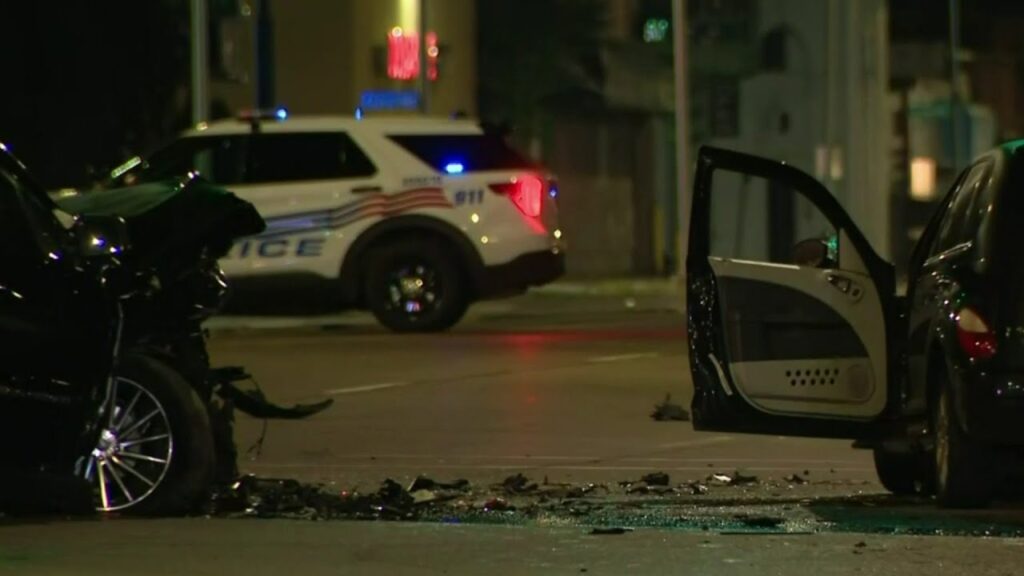
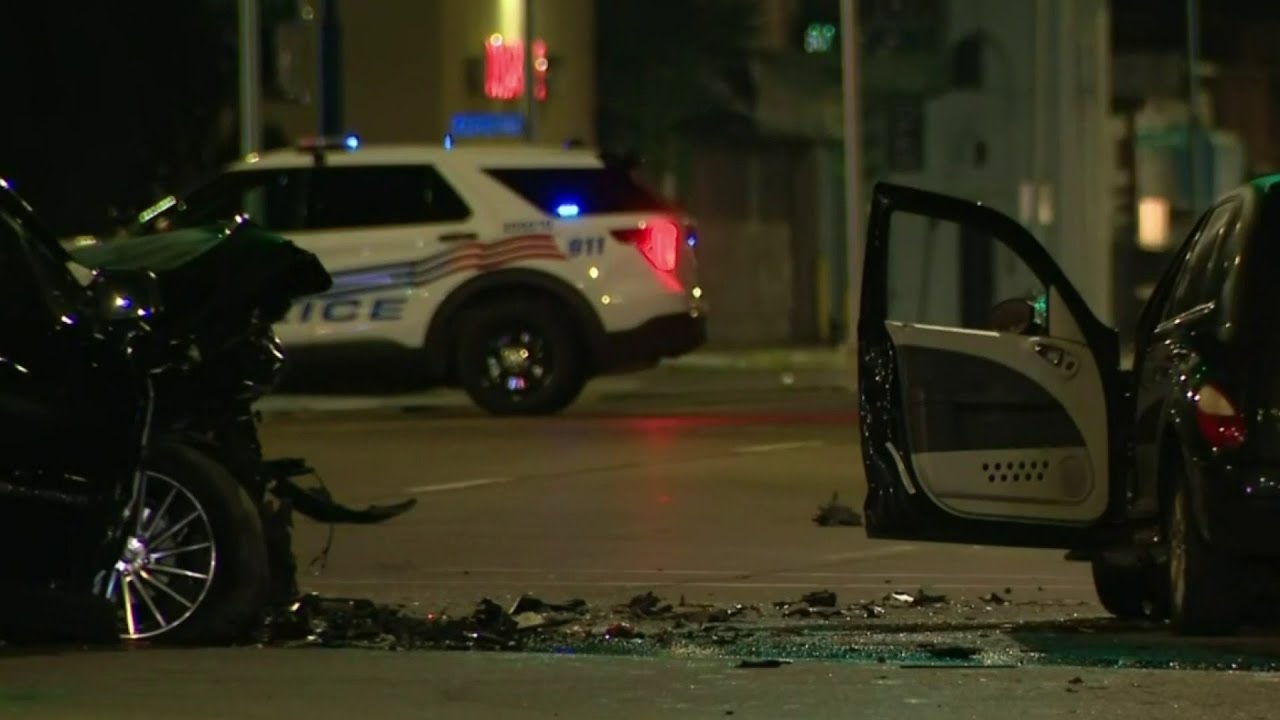
The South Carolina Department of Public Safety (SCDPS) released its most recent Traffic Collision Fact Book, which shows that South Carolina recorded 976 fatal collisions in 2023. Secondary routes, which include many of the two-lane roads connecting communities throughout the Upstate region, accounted for the highest share of deadly crashes at 29.4 percent.
The numbers are a reminder that road danger in South Carolina is not limited to major interstates. Secondary and rural routes carry a serious risk, especially after dark when visibility and driver alertness are both reduced.
Questions About Nighttime Driving Risks
What makes nighttime driving more dangerous than daytime driving?
Reduced visibility, driver fatigue, and a higher presence of impaired drivers after dark all significantly increase crash risk. Reaction times are also notably slower during nighttime hours.
Are pedestrian accidents more common at night?
Yes, the majority of pedestrian fatalities occur after dark because poor lighting and dark clothing make pedestrians far harder for drivers to detect in time to stop.
Does drowsy driving carry legal responsibility?
Yes, under South Carolina negligence law, drivers who cause crashes while fatigued can be held liable. Drowsy driving is treated similarly to other forms of impaired or reckless driving.
Leave a Reply