We all love our furry friends. But their lives are not long, and they are not always smart about their decisions. When the dog eats something weird, or the cat needs dental surgery, you could find yourself with a four-digit bill.
Some people don’t get the amount of money people spend on their pets, but if you own one, you know they are your family. They offer unconditional love in times of need. There is no way you will let budget get in the way of giving them the best quality of life.
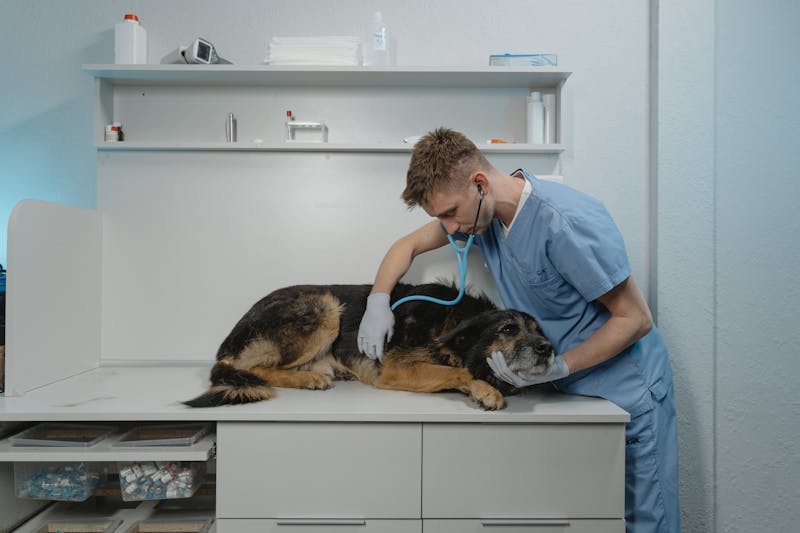
Photo by Tima Miroshnichenko
But even a routine care visit can be a strain.
So how can you make pet care more affordable? A payment plan can help. It spreads payments over time, easing cash flow, and many offer limited-time, interest-free payments.
Why is Vet Care So Expensive?
Vet care is expensive, and costs are expected to increase in the future. According to Otto Pilot, veterinary costs have risen 60% since 2015, far outpacing inflation and income raises. Browns Burg Animal Clinic reveals veterinary care has consistently risen 61% faster than overall inflation over the past 20 years.
The question- why is pet care so expensive? Here are some contributing factors:
- Industry Consolidation and Reduced Competition: Private equity and large corporations have been acquiring independent veterinary clinics, reducing competition and driving up prices.
- Supply and Drug Costs: Veterinarians use many of the same supplies and medications used in human healthcare. Therefore, the pharmacological expenses that drive an individual’s medical costs can also contribute to the rising cost of veterinary care.
- Staffing and Competitive Salaries: Clinics must offer high salaries to attract top talent in a competitive market. Payroll expenses are often absorbed by clients.
- Technological Advancement: While sophisticated diagnostic and treatment options lead to better outcomes for our pets, they also increase costs.
Common Pet Care Needs and Their Average Costs
So how much can you expect to spend on your pet? Here are some common care procedures and their average costs.
- Veterinary Checkups: $387 per year
- Dental Cleaning $200- $600
- Oral Surgeries: $1200
- Flea & Tick Prevention: $120- $340 per year
- Heartworm prevention: $60- $180 per year
- Spaying/ Neutering: $300/dogs, $150/cats
- Tumor Removal: $300 – $1600
- Ear Infection Care $149
- Diabetes Treatment: $1600 – $2900 per year
- Broken Bone Repair: $2300
- Foreign Object Removal: $3,000
…and the list goes on
How a Payment Plan Can Save You Money
You may have heard of healthcare credit cards for humans, but did you know they can also cover pet health care? Some trusted providers include Cherry Payment Plans, Care Credit, and Uprova. They work just like a credit card, allowing you to spread payments over time, but there are some key differences, as follows:
- Many of them don’t charge interest, at least for a limited time
- Not all require hard credit checks that can damage your credit
- They are strictly applied to medical care needs, reducing the risk of overspending on other items
- They are paid off with a fixed monthly payment, and the balance clears once the card is paid off
- Payment plans may allow you to negotiate terms
How Do You Choose the Right Payment Plan for Your Pet’s Healthcare
With several providers available, it can be difficult to determine the best payment plan for your pet’s healthcare needs. Here are some things to consider.
- Interest Rate and Fees: Ideally, you’ll choose a card with limited-time no interest terms and minimal fees, considering APRs and early payoffs
- Alignment: Ensure the card is accepted by your provider and covers the necessary services
- Customer Satisfaction: Research to ensure the company offering the plan provides excellent customer service. They should have live humans who provide answers when you need them
- Transparency: Avoid payment plans with small print regarding fees and terms.
- Credit Check: If possible, choose a payment plan that does not require a credit check or only performs a soft check. A hard check can damage your credit.
- Terms: Consider the terms offered to ensure payments are available.
How to Get Started
Here’s a step-by-step process for getting started with your payment plan:
- Ask the provider which plans they accept
- Check out the company to ensure you can work with their terms and services
- Apply for the card- this generally involves providing some personal information and possibly agreeing to a credit check. You may get approved right away unless further investigation is needed.
- Start paying off your bill. You should receive your first bill within a few weeks, setting the timeline for resolving the balance.
Other Ways to Save on Pet Healthcare
Payment plans are helpful, but they are not the only way fabulous moms can save on pet healthcare. Here are some other tips to consider.
- Preventive Care: Care for your dog or cat by taking them to the vet for regular visits, ensuring they receive their vaccines, and feeding them a healthy diet.
- Pet Insurance: Insurance covers most treatments. Additionally, your payment plan can help you finance co-pays and deductibles.
- Find Low-Cost Clinics: Community and university-based clinics may provide low-cost care.
- Discounts: Some vets may offer discounts on bundled services or referrals, or they may have a membership plan that lets you access various services for a monthly or annual fee, reducing overall expenses.
- Pet Health Savings Account: Consider setting aside a certain amount each week or month and placing it into a savings account to cover your pet’s emergency expenses or routine care.
Conclusion
Pets are good for the entire family. They can be like siblings to our children and like best friends to our partners. But when it comes to scheduling and affording care, the mother often holds the burden.
Finding affordable care can be stressful, but payment plans can help. They spread payments over time, easing cash flow without high interest rates. These plans are another solution in a long list of mom tools.
And with the extra money you’re able to access, you may be able to afford the latest procedures that make you look and feel your best. Like pet healthcare, they’re also eligible for a payment plan!




Leave a Reply