Everyone has a story behind a scar. For some, it’s a reminder of a healed wound or a past surgery. But for others, especially those dealing with keloid scars, it can be a continuing source of discomfort or self consciousness. These scars don’t just fade over time. They grow beyond the original injury, often darkening and thickening, making them harder to manage and ignore.
Understanding how to care for these scars and whether they can truly be removed can feel overwhelming. Keloids often return even after treatment, which can be discouraging for those seeking clearer, smoother skin. But the good news is, there are several ways to minimize their appearance and make them less noticeable without causing more irritation or damage.
Before deciding on any treatment, it helps to understand what makes a keloid different from other scars, why it develops, and what options are available today. With proper guidance and consistency, those dealing with these scars can see noticeable improvement. That’s where keloid removal becomes a meaningful topic worth exploring.
Why Keloids Form in the First Place
Keloids don’t appear out of nowhere. They are the body’s response to what it sees as an injury that needs healing. But sometimes, the healing process goes into overdrive.
How Keloids Develop
When the skin is injured, whether from a cut, burn, acne, or even a piercing, the body naturally produces collagen to repair it. Collagen helps the skin close and restore itself. However, in some people, the collagen production continues even after the wound has healed. This leads to a thick, raised scar that grows beyond the boundaries of the original wound. These are keloids.
They can appear anywhere but are more common on the chest, shoulders, earlobes, and upper back. Genetics play a role too. People with darker skin tones or a family history of keloids are more likely to get them. The good news is that while keloids can’t always be prevented, understanding your skin’s behavior helps guide treatment and reduce their appearance.
The Nature of Keloid Scars
Keloids differ from typical scars in both appearance and behavior. Regular scars usually flatten and fade over time. Keloids, however, remain raised and can continue to grow for months or even years. They might be pink, red, or darker than the surrounding skin. For some, they itch or feel tender to the touch. For others, the frustration is mostly cosmetic, especially when they appear on visible areas such as the face or neck.
It’s important to remember that these scars are not harmful or contagious. But they can carry an emotional weight, affecting confidence and how someone feels about their appearance. That’s why treating keloids is not only about aesthetics, it’s also about restoring comfort and self esteem.
Why Some People Are More Prone
Certain factors increase the likelihood of developing keloids. Aside from genetics, areas of the body under tension or frequent movement are more likely to develop them. Age can also make a difference, with teens and young adults being more susceptible, likely because their skin heals faster and produces more collagen.
Knowing you are prone to keloids can help in making small but important choices, like avoiding unnecessary piercings, large tattoos, or elective surgeries that could trigger new scar formation. These preventive steps play a huge role in how well your skin recovers and maintains its natural smoothness.
Treatment Options and What to Expect
Although keloids can be persistent, several treatments can help soften and flatten them, improving both appearance and texture. Understanding the different options makes it easier to set realistic expectations for results.
Medical Treatments That Can Help
Steroid injections are one of the most common treatments used by dermatologists. These shots help reduce inflammation, slow collagen production, and gradually flatten the scar over time. The process usually takes several sessions spaced out over a few weeks or months, depending on the scar’s size and age.
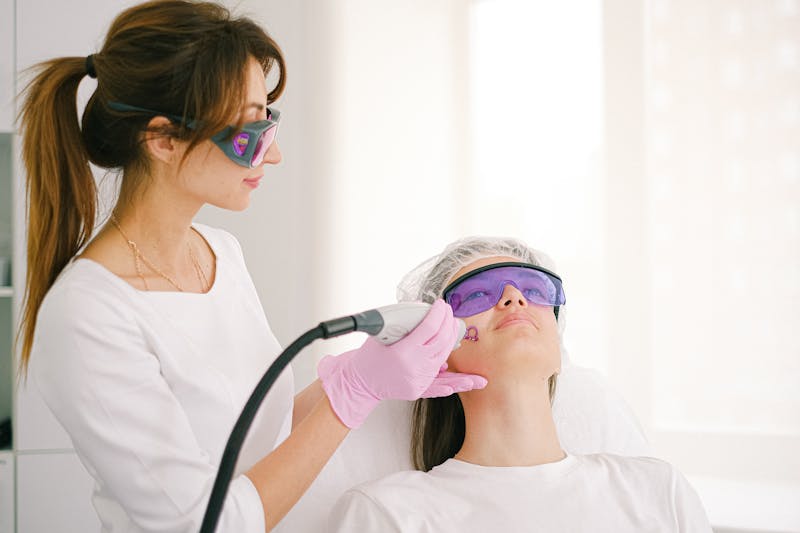
Another option is laser therapy, which uses focused light to reduce redness and smooth the skin’s surface. Lasers can be effective, but consistency is key. Most people notice gradual improvement rather than immediate results. For some, a combination of steroid injections and laser sessions yields the best outcome.
When Surgery Becomes an Option
In more severe cases, a doctor may recommend surgical removal. However, this option comes with caution. Removing a keloid surgically can sometimes trigger another keloid to form in the same area. That’s why surgery is often followed by other treatments such as radiation therapy, silicone gel applications, or pressure dressings to reduce the risk of regrowth.
Surgery isn’t always the first choice, but for people with large or painful keloids that interfere with daily life, it can be worth discussing this option with a qualified dermatologist or plastic surgeon.
Natural and At Home Care
For mild keloids, simple topical treatments can help. Silicone gel sheets and creams can soften scars over time, and when used consistently, they may reduce redness and itching. Gentle massages with natural oils like rosehip or vitamin E oil can also support skin hydration and flexibility, though results may vary.
It’s essential to avoid irritating the area, scratching, squeezing, or applying harsh chemicals can worsen the condition. Patience and regular care matter more than instant fixes when dealing with these types of scars.
Finding the Right Approach for You
No single treatment works for everyone because keloids behave differently from person to person. What helps one person flatten a scar may not help another in the same way. That’s why personalized care from a skin professional is so important.
Before starting any treatment, it’s best to get a proper consultation. A dermatologist can identify the scar type, recommend suitable options, and explain what results are realistic. Having a clear plan also prevents people from wasting money on products or treatments that may not be suitable for their condition.
If the keloid is causing emotional distress, support goes beyond the skin. Talking to a dermatologist who listens and understands can make a significant difference, both mentally and emotionally. For many people, just knowing there’s a path forward brings relief and renewed confidence.
Moving Forward with Care
Keloid scars may not always disappear completely, but they can be improved, softened, and reduced in appearance with the right approach. Advances in dermatology continue to make treatments safer and more effective. From medical options like steroid injections and laser therapy to trusted at home products, managing keloids has come a long way.
The most important step is starting the conversation. Whether it’s your first time considering treatment or you’ve tried several methods before, understanding your skin’s unique needs is the key to achieving visible results. With patience, consistency, and the right professional guidance, living comfortably in your skin again is achievable.
Leave a Reply