Did you know that regular physical activity can greatly improve the quality of life, especially for older adults? Walking indoors is a safe and effective way to stay active, even when the weather is bad or when going outside is not convenient.
Indoor walking routines help improve mobility, balance, and energy levels, making everyday activities easier and more enjoyable. Let’s dive deeper into this topic.
Benefits of Walking Indoors
Walking inside your home may seem simple, but it provides important health benefits, especially for older adults. A senior residents indoor walking workout helps maintain joint flexibility and muscle strength, making everyday movement easier and more comfortable. Strengthening the legs also improves balance, reducing the risk of falls, which is crucial for maintaining independence.
Physical activity releases endorphins, boosting energy and reducing feelings of fatigue. By staying active through a regular indoor walking routine, seniors can enjoy greater confidence in daily life and an overall sense of well-being.
How to Start an Indoor Walking Routine
Creating an indoor walking routine does not need to be complicated. First, choose a space in your home where you have enough room to walk comfortably. This could be a living room, bedroom, or even a long hallway.
If you are new to exercise, begin slowly. A few minutes of walking at your own pace is a perfect way to start. Over time, you can gradually increase the length and intensity of your walks.
Adding music or television while you walk can make the routine more enjoyable. Listening to your favorite songs or watching a program can make the time pass quickly and keep you motivated. Walking indoors can become a pleasant part of your day rather than a chore.
Warming Up Before Walking
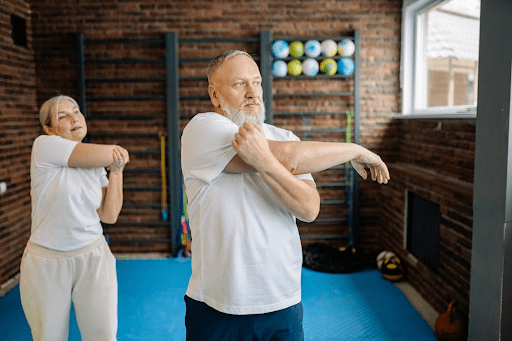
Before each session, it is important to gently warm up your body. Simple stretches help prepare your muscles and joints, reducing the chance of injury. Rolling your neck slowly can ease tension, and lifting your shoulders toward your ears before relaxing can release stiffness.
Stretching your legs while holding onto a chair supports balance and prepares your calves for movement. These warm-ups help make your walking session more effective and comfortable.
Tracking Your Progress
Monitoring your progress can motivate you to keep going and improve over time. You can record the duration of your walks in a journal, noting how long you walked each day and how you felt afterward. Setting small goals, such as walking a few minutes longer each week, encourages steady improvement.
Some seniors may also use a pedometer to count steps and monitor activity levels. Tracking progress not only shows growth but also reinforces a sense of accomplishment.
Making Walking a Daily Habit
Consistency is key to creating a successful routine. Setting a specific time each day for indoor walking, as if it were an appointment, helps make it a regular habit.
Including family members or friends in your walks can add a social element, making the activity more enjoyable and keeping you accountable. Over time, indoor walking can become a natural and rewarding part of daily life.
Embrace the Benefits of Indoor Walking
Indoor walking routines are an easy way for seniors to improve mobility, balance, and energy levels. These routines support physical health while also boosting mental and emotional well-being. Starting slowly, warming up properly, and tracking progress can make walking safe and effective.
Take the first step today and embrace indoor walking as a simple but powerful way to enhance health and happiness. Don’t miss out! Explore the rest of our blog for fresh ideas and tips.




Leave a Reply