There’s a certain kind of magic when three generations share one roof—or even just visit often. The kids get extra hugs, grandparents feel involved, and you finally have someone who remembers how to fix that squeaky cabinet door. But let’s be real—while the presence of grandparents can be heartwarming, it can also mean making a few smart changes to ensure their safety in a home built for younger legs and faster reflexes.
The good news? You don’t need to gut the house or add handrails to every inch of the hallway. A few thoughtful upgrades can go a long way toward making your home a safer and more comfortable place for aging loved ones.
One of the most helpful tools? Devices that add an invisible layer of support. Solutions like Life Assure offer discreet, easy-to-use emergency alert systems that give everyone peace of mind without adding visual clutter to your home.
Let’s dive into the simple fixes and clever add-ons that help keep grandparents secure—whether they’re moving in or just popping by for Sunday dinner.

Photo by Kampus Production from Pexels
Start with the Spots That Matter Most
You don’t need to senior-proof the entire house all at once. Instead, focus on the most frequently used areas: bedrooms, bathrooms, kitchens, and living rooms. These are the places where falls, slips, and other minor accidents are most likely to happen—but also the easiest to adjust.
The Bedroom: Soft Landings and Simple Layouts
Think about where your grandparents sleep. Is it upstairs? In a guest room full of storage bins? Is the path from bed to bathroom a tightrope walk?
Start by clearing clutter. Remove small rugs or furniture with sharp edges. Add a motion-sensor nightlight near the bed or along the hallway to the bathroom. If the mattress is too low or high, consider a height-adjustable bed frame. Swap out twisty doorknobs for lever handles—they’re easier on arthritic hands.
And if your guest room doubles as the gift-wrap supply closet, it may be time for a little reorganization.
Bathroom: The Slip Zone
Bathrooms are a top spot for falls, especially with water, smooth tile, and tight spaces. But you don’t need a full remodel to make them safer.
Here are quick wins that make a big difference:
- Install grab bars in the shower and near the toilet.
- Place non-slip mats both inside and outside the shower.
- Swap out the regular bath mat for one with a rubber backing.
- Use a shower bench or stool to make bathing more stable.
- Add a raised toilet seat if needed for easier transitions.
If your grandparent uses a walker or has balance concerns, make sure the bathroom door is wide enough and opens outward or slides—just in case they need help getting out.
Kitchen: Safe Cooking, No Stress
Most grandparents aren’t about to give up their favorite kitchen routines. So instead of locking everything away, make it easier for them to do what they love—safely.
Move frequently used items—plates, mugs, snacks—down to lower shelves to reduce reaching. Add easy-grip handles to heavy drawers. Consider an induction cooktop instead of gas or coil burners, since it only heats when a pot is placed on it (and cools quickly when it’s removed).
If your kids leave skateboards and cereal spills in the kitchen, add a “no-slide zone” with a large anti-fatigue mat in front of the sink or stove.
Living Room: Trip Hazards Be Gone
The living room is usually where everyone gathers. But between toys, wires, and coffee tables, it can turn into a minefield for older guests.
Secure area rugs with double-sided tape or remove them altogether. Organize cords with cable covers or clips to keep them against walls. If the furniture layout turns the room into an obstacle course, consider rearranging it to allow wider paths for walkers or canes.
And hey, while you’re at it—consider bumping up the wattage in your lamps. Bright lighting helps seniors spot hazards before they become problems.
Small Devices, Big Peace of Mind
You don’t always need to make visible changes to improve safety. In fact, some of the most helpful upgrades are nearly invisible—but incredibly powerful.
Wearable emergency alert systems, like those offered by Life Assure, are designed with seniors in mind. They’re lightweight, discreet, and easy to use. With features like fall detection, GPS tracking, and 24/7 emergency response, these devices are a quiet safety net that doesn’t interfere with anyone’s independence.
Best of all? You don’t need to hover or worry every time your loved one wants to walk around the block, take a shower, or stay home alone while you run errands.
Tech That Works with Real Life
Smart home tools aren’t just for teenagers and tech bros. These days, voice assistants and smart sensors can make life easier—and safer—for seniors too.
Here are a few low-maintenance upgrades that blend right into everyday life:
- Smart plugs or timers to prevent forgetting to turn off appliances.
- Video doorbells to help seniors see who’s at the door without rushing.
- Voice assistants (like Alexa or Google Assistant) that can call for help, turn on lights, or play music on command.
- Door and motion sensors for subtle monitoring—perfect if you’re checking in remotely.
Pairing some of these tools with your Life Assure system creates a fuller circle of protection without being intrusive.
A Safer Home Is a Shared Home
Let’s be honest: moms already have a lot going on. Between school pickups, meal planning, and keeping everyone alive, adding “part-time senior caregiver” to your resume can feel overwhelming. But here’s the thing—these upgrades aren’t about adding to your list. They’re about subtracting worry.
When your home is set up to support independence and prevent accidents, you don’t have to hover. You get to enjoy those moments—grandkids giggling with Grandma over cookies, or Grandpa napping with a crossword—without always scanning the room for risk.
Safety isn’t about restrictions. It’s about freedom to enjoy your time together.
When Safety Doesn’t Scream “Hospital Room”
One hesitation many families have is the visual impact of safety gear. No one wants their cozy home to look like a clinic. Thankfully, many senior-friendly products are now designed with aesthetics in mind. Think shower bars that match your tile. Personal alert buttons that look like jewelry. Even mobility aids with sleek finishes and color options.
The goal? Create an environment that feels just as warm and inviting as it did before—just smarter.
Planning Ahead Without Overplanning
If your grandparents are only visiting occasionally, you can still prep your space with a few portable options:
- Foldable grab bars for travel or short stays.
- A temporary ramp if steps are a barrier.
- Lightweight walkers or canes that collapse for storage.
- A wearable alert device just for their visit.
And if co-living is becoming more permanent? That’s the perfect time to build a plan together. Ask for their input. What makes them feel safe? What do they worry about? Involving them in the process keeps dignity front and center.
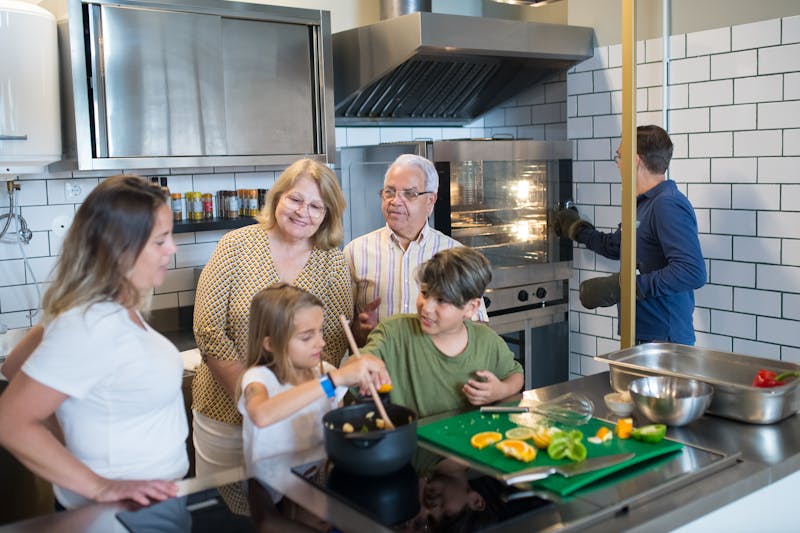
Photo by Kampus Production from Pexels
Final Thoughts: Safety That Feels Like Love
At the end of the day, these upgrades aren’t about bubble-wrapping the house or micromanaging every move. They’re about respect. They’re about saying, “You matter,” in the form of a nightlight or a grab bar. And they’re about creating a home where the youngest and oldest feel equally supported.
So whether your grandparents are long-term guests or just around for the holidays, a few thoughtful changes—combined with tech like Life Assure—can turn your home into a safe, welcoming space for everyone under your roof.
And who knows? You might sleep a little easier too.




Leave a Reply