Every child deserves a fair chance to learn and grow. For children in foster care, school can feel confusing and overwhelming. New homes often mean new classrooms, new teachers, and new rules and these changes can affect learning and confidence.
The good news is that strong school resources can make a real difference. When the right help is in place, children feel seen, supported, and ready to succeed. Read on to learn how these resources help foster children thrive each day.
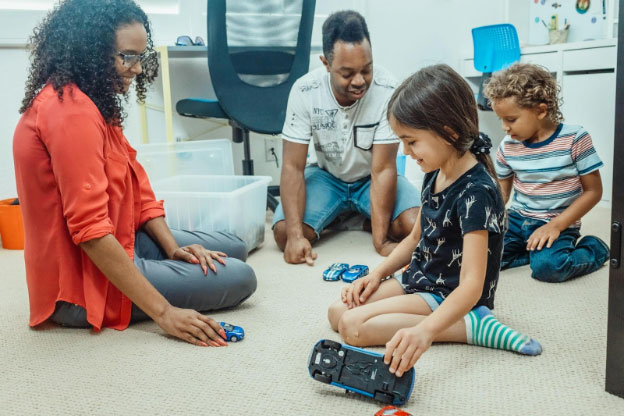
Stability Creates a Sense of Safety
Children learn best when they feel safe. Foster parent school resources help create steady routines. They support smooth school moves and help children settle faster.
Familiar schedules and clear expectations reduce stress. When children feel safe, they can focus. They are more likely to ask questions and try new tasks and this sense of stability builds trust and helps children believe school can be a positive place.
Better Communication Builds Strong Bridges
Clear communication helps everyone work as a team. School resources often guide foster parents on how to talk with teachers and staff. This keeps adults informed and aligned.
When schools understand a child’s needs, they can respond with care. Teachers can offer patience and extra help when needed. This shared effort supports learning and emotional growth through steady school support for foster parents, that keeps the child’s best interests in focus.
Emotional Support Shapes Learning
Many foster children carry emotional stress. School based resources can offer counseling and guidance. These services help children process feelings in healthy ways.
When emotions are supported, learning improves and children feel calmer and more open. They can focus on lessons instead of worries. Emotional care helps children build confidence and a positive self image.
Extra Academic Help Fills Learning Gaps
Frequent moves can cause learning gaps. School resources help identify these gaps early. Tutors and special programs offer targeted support.
This extra help keeps children from falling behind. It also shows them that their growth matters. When children see progress, they gain pride in their work and feel motivated to keep learning.
Support for Foster Parents Strengthens Outcomes
Foster parents play a key role in school success. Resources help them understand school systems and rights. They offer tools to support homework and routines at home.
When foster parents feel informed, they feel empowered. This confidence helps them advocate for the child. Strong support at home and school leads to better results and stronger bonds.
Collaboration Creates Long Term Success
Success grows when systems work together. Schools, caregivers, and social workers each play a part. Resources help align goals and share information.
This teamwork helps children feel supported from all sides. It creates a clear path forward and reduces confusion. Over time, this steady care builds resilience and hope.
Helping Children Grow Beyond the Classroom
School resources do more than improve grades and they help children build life skills. They teach trust, routine, and self-belief. These lessons last well beyond the school years.
When foster children receive the right support, they begin to thrive. They learn that change does not have to mean loss. With care, guidance, and patience, school can become a place of growth, strength, and new beginnings.
For more on this content, visit the rest of our blog!
Related posts:
 From First Splash to Confident Diver – A Bali Dive Center Manager’s Guide for Families, New Divers, and Small Operators
 Teen Tuesday – Funny English Puns Big Sis Told Me
 Indian Mom Fashion Essential – The Alluring Kurti
 Casino Games List: Complete Guide to Popular Games, Categories & How They Work (2025)
Leave a Reply