Early childhood education isn’t what it used to be, and that’s a good thing. Gone are the days when childcare simply meant keeping kids busy while parents worked. Today, modern childcare centres are stepping up as powerful learning environments that shape curious minds from the very beginning.
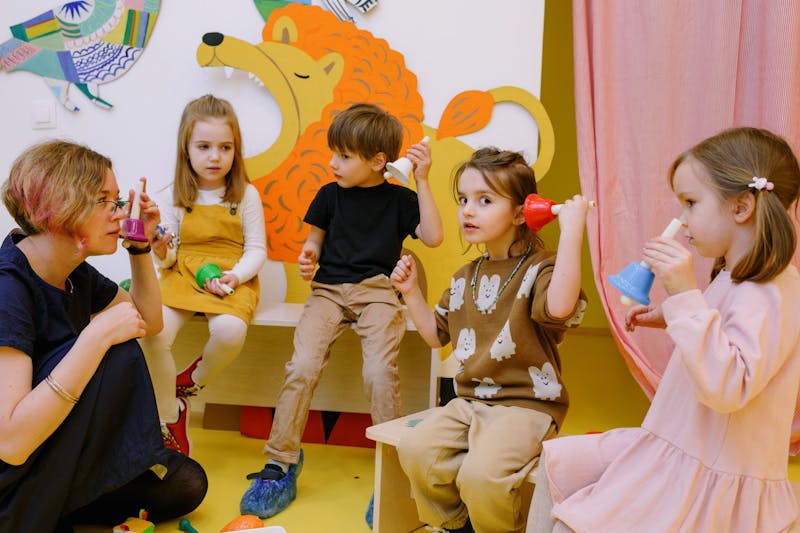
We now understand how important those early years are for a child’s growth, confidence, and lifelong love of learning. That’s why centres are focusing on more than ABCs. They’re embracing technology, nurturing emotional wellbeing, supporting family connections, and celebrating every child’s unique strengths.
Below, we’ll explore the exciting ways childcare is redefining early education for a brighter future.
Holistic Learning Environments
Modern childcare centres are creating spaces where children can grow in every way, not just academically. Instead of focusing only on early reading and writing skills, educators now give equal attention to cognitive, emotional, social, and physical development. After all, children learn best when their overall development is supported.
A big part of this shift is learning through play. When kids build a tower, role-play with friends, or explore a new texture, they develop problem-solving skills, communication, creativity, and confidence without even realising it. Play helps children make sense of the world around them at their own pace.
Real-world exploration is also essential. Many childcare centres bring learning outdoors by incorporating nature and open spaces into daily activities. Whether it’s gardening, observing insects, or navigating a playground, children strengthen their bodies while discovering the wonders of nature. These experiences also encourage resilience and safe risk-taking under supervision.
Sensory play is another vital element, including activities such as sand, water, clay, and music. Engaging the senses helps children stay curious, calm, and focused. When all these elements come together, children build a strong foundation for future learning while enjoying being kids.
Technology as a Learning Tool
In today’s classrooms, technology is more than an add-on. It’s part of how young learners explore and grow. Age-appropriate tech tools allow children to tap, swipe, draw, and experiment, turning learning into an interactive adventure instead of a passive task.
Research shows that introducing digital literacy early helps children build problem-solving, planning, and collaboration skills, and navigate an increasingly digital world. Of course, it’s not about screens all day. Great educators balance screen time with hands-on play, real-world exploration, and meaningful adult-child interactions.
According to the National Association for the Education of Young Children (NAEYC), technology should “support developmentally appropriate practice,” where the focus is on the activity rather than the device itself.
When used intentionally and guided by caring adults, technology becomes a vibrant tool for growth. It is not a replacement for play but a bridge between digital and real-life discovery.
Personalised Learning and Child-Led Development
In today’s early learning spaces, there’s a quiet revolution: teaching that adapts to each child, not the other way around. Tailored programs built around a child’s interests and abilities invite them to lead parts of their own learning journey. For example, a child might choose to study bugs because they love insects or explore shapes because they are naturally curious.
This approach fosters independence and self-expression, turning children into active explorers rather than passive participants. Research shows that personalised learning can boost engagement and help children progress at their own pace.
At the same time, many educators are replacing rigid benchmarks with observational assessment. By watching how children play, solve problems, and interact with others, teachers can shape their programs around real needs and strengths.
The result is a learning environment that honours each child’s voice, supports their growth, and encourages them to take genuine ownership of their learning, even at a very young age.
Strong Partnerships with Families
When childcare centres build genuine partnerships with families, remarkable things happen. Open communication is the foundation, with educators sharing updates, listening to parents’ insights, and respecting every family’s values and culture.
Real family engagement goes beyond conversations. It means parents and educators working together on learning goals and activities. Research shows that children thrive when their families are active participants, not just observers, in their early education.
Many modern centres also act as community support hubs. They offer resources, events, and connections that help families feel part of something bigger, especially during those early years when parents often seek guidance and reassurance.
When families and educators work hand in hand, children benefit, parents feel empowered, and the entire learning community grows stronger.
Focus on Wellbeing and Inclusivity
In today’s childcare centres, wellbeing and inclusivity are at the heart of early learning. A child’s mental health is a vital part of their development. Educators who create safe, nurturing spaces help children build emotional resilience, self-confidence, and healthy relationships.
Good nutrition, safe routines, and plenty of care aren’t just nice extras. They are the foundation of positive early experiences. When children eat well, feel secure, and have consistent, loving routines, they are better prepared to learn and grow.
Inclusivity means every child, regardless of culture, background, or ability, feels seen, valued, and supported. Centres that embrace inclusive practices create environments where diversity is a strength and belonging is the norm.
When wellbeing and inclusivity come together, children don’t just get through the day. They thrive in it.
A Brighter Start for Every Child
Modern childcare centres are raising the bar, and our children are better for it. By embracing play, technology, wellbeing, family partnerships, and individuality, these centres create learning environments where children can truly flourish. When we invest in these early experiences, we help shape confident, capable learners and build a stronger future for everyone.




Leave a Reply