Allergies in kids can be downright confusing for parents. Sometimes, the signs are obvious, but figuring out what’s actually causing them? That’s a whole different story. The mystery can leave your child uncomfortable and you scratching your head, wondering what’s really behind it all.
Getting to the bottom of your child’s allergies means paying close attention and, when needed, reaching out for professional testing. Sure, pollen, pet dander, dust mites, certain foods, and even stress are the usual suspects. But sometimes, what looks like a reaction to one thing turns out to be something else entirely.
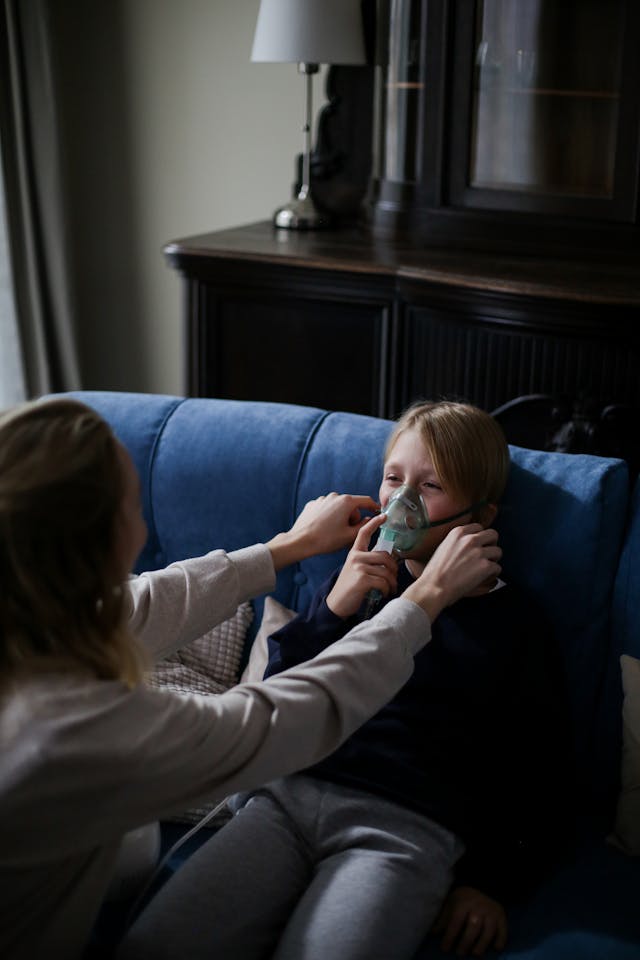
Photo by cottonbro studio
Once you start spotting these triggers, you can actually do something about them. Maybe you swap out certain household items, tweak your cleaning habits, or team up with your child’s doctor for a plan that tackles the real culprits head-on.
Identifying The Root Causes Of Your Child’s Allergies
You’ll need a bit of detective spirit to figure out what’s setting off your child’s allergies. Spotting these root causes gives you a real shot at preventing flare-ups and finding treatments that actually work.
Key Environmental Allergy Triggers
Kids react to all sorts of things around them. Pollen from trees, grasses, and weeds brings on seasonal allergies—think sneezing, runny nose, itchy eyes, all the classic stuff. Dust mites love hanging out in bedding, carpets, and furniture. These tiny guys can keep symptoms going all year long.
Pet dander is sneaky. Even if you don’t have a pet, dander can hitch a ride on clothes and end up in your home, causing reactions. Mold spores thrive in damp spots—bathrooms, basements, anywhere there’s a leak. Mold, whether it’s inside or outside, can set off allergies. Air pollution, like car exhaust and industrial smog, tends to make things worse for sensitive kids or even kickstart respiratory issues.
Food Allergies and Sensitivities
Food allergies happen when the immune system gets confused and treats certain foods as threats. The main troublemakers? Milk, eggs, peanuts, tree nuts, soy, wheat, fish, and shellfish—these make up the bulk of food allergies.
When it’s a true food allergy, reactions show up fast and can range from mild hives or itching to scary stuff like anaphylaxis. If your child eats the food again, the reaction happens again.
Food sensitivities or intolerances aren’t quite the same. They usually mean digestive problems—bloating, gas, or diarrhea—but not an immune response. Lactose intolerance is a classic example. Some reactions don’t show up right away. Your child might eat something and not have symptoms until hours or even days later, which makes things tricky.
Genetic and Family Factors
Allergies love to run in families. If you’ve got allergies, your child’s risk jumps to somewhere between 25% and 50%. If both parents have allergies, it can shoot up to 60% or even 80%. Kids can inherit the tendency to develop allergies (that’s called atopy), but not always the exact same allergy. So, if you’re allergic to peanuts, your child might not be, but they could end up allergic to something else entirely.
Certain genetic quirks can make a child’s immune system more likely to overreact to allergens. That’s why some kids end up with allergies or asthma while others don’t.
Doctors call it the “atopic march”—kids get eczema as babies, then food allergies, and later on, they might develop hay fever or asthma. Strangely enough, growing up around animals or on a farm might lower the risk for allergies, even if your child’s genes say otherwise. The research isn’t totally settled, but it’s a fascinating idea.
Hidden Triggers in Everyday Life
Loads of household products can set off allergies. Cleaning sprays, air fresheners, and anything scented might irritate sensitive airways. Even clothes and personal care stuff can be culprits. Fabric softeners, laundry detergents, soaps, and lotions may have fragrances or preservatives that bother your child’s skin.
School isn’t always a safe zone either. Art supplies, classroom pets, or even chalk dust can bring on symptoms for some kids. Nickel in jewelry or clothing fasteners, latex in gloves and toys, preservatives in processed foods, sulfites in dried fruits or meds, and dyes in foods or medicine can all be sneaky triggers. Big changes, like starting school or moving, might expose your child to new allergens they haven’t run into before.
Allergy Assessment
A childhood allergy assessment typically begins with a detailed discussion between the doctor and the parents about the child’s symptoms—when they occur, how often, and what might be triggering them. Common signs such as eczema, a stuffy nose, or wheezing can provide important clues that guide the next steps.
To confirm allergies, doctors may recommend skin prick tests, where small amounts of potential allergens are applied to the child’s skin to observe reactions, or blood tests that detect allergy-related antibodies. Keeping a symptom diary is also a valuable part of the assessment, helping to track patterns related to food, environment, weather, or activities.
In more complex cases, referrals to specialists such as allergists, immunologists, pulmonologists, or dermatologists may be necessary to get a clearer diagnosis and more targeted treatment. This comprehensive approach ensures that the childhood allergy assessment is thorough and tailored to each child’s unique situation.
Pinpointing Patterns And Taking Action
Getting to the root of your child’s allergies means staying alert and keeping track. You’ll want to combine your own notes with medical testing and make real-life changes at home or school.
Monitoring Symptoms and Tracking Exposure
Start an allergy journal. Write down what symptoms show up, how bad they are, and what your child was exposed to that day—food, activities, weather, the works. Some parents use a notebook, others prefer a phone app. Snapping photos of rashes or rating symptoms from 1 to 10 can help too. Make a note of the time symptoms start.
After a few weeks, patterns usually start to appear. Maybe your child sneezes more on windy days or gets itchy after playing with the dog. These details help your doctor spot things you might miss. Bring your notes to the doctor’s office. Sometimes, what seems random actually makes perfect sense once you lay it all out.
Allergy Testing Methods Explained
When it’s not clear what’s causing the problem, doctors can run tests to narrow things down.
Skin prick tests are common—they’ll put tiny amounts of allergens on your child’s skin and watch for a reaction. Blood tests measure antibodies if skin tests aren’t an option. Patch tests help figure out contact allergies, and food challenges are done under medical supervision to confirm food allergies.
Most kids handle these tests just fine. Skin test results come back quickly, but blood work can take a few days. Once you know exactly what’s causing trouble, you and your doctor can come up with a plan that actually works for your child.
Lifestyle Changes for Reducing Triggers
Once you figure out what sets off your child’s allergies, making some practical changes can really help cut down their exposure.
With indoor allergens, try swapping out regular mattress and pillow cases for allergen-proof covers. Washing bedding every week in hot water makes a noticeable difference. If you can, pull up the carpet in bedrooms—it traps a lot of dust and pollen. HEPA air purifiers are worth considering, and keeping humidity between 40-50% seems to help keep things under control.
When it comes to outdoor allergens, check pollen counts before you send the kids outside. On high pollen days, it’s better to keep the windows shut, even if you’d rather let in some fresh air. After playing outside, have your child shower and change clothes. Leaving shoes by the door instead of wearing them around the house keeps pollen from spreading inside.
Managing food allergens means reading labels closely and making sure anyone who looks after your child knows what to watch for. Keep an action plan handy and make sure everyone’s on the same page.
Honestly, all these changes can feel like a lot at first. But you don’t have to do everything at once—just start where you can. Most families notice their kids feel better after a few weeks of tweaking things at home, even if it’s just small steps at a time.




Leave a Reply