Retailers across the UK understand that a shopfront is the first point of contact with a potential customer. Whether it’s a high-street boutique or a large-scale showroom, the quality of signage reflects the brand’s identity. Traditional hand-cutting methods often struggle to meet the intricate demands of modern design, which is why many businesses now turn to computer-controlled technology.

Photo by Mujtaba Ali
Using automated machinery allows for a level of detail that was once impossible to achieve. From complex logos to unique lettering, the ability to replicate a digital design exactly onto a physical material is a game-changer for the industry. This process ensures that every sign produced is identical, maintaining brand consistency across multiple locations.
Follow along to find out why this technology has become the standard for professional retail displays.
Unmatched Accuracy for Complex Designs
One of the primary reasons retailers choose these methods is the extreme level of accuracy they provide. When working with materials like acrylic sheets or aluminium composite, even a millimetre of error can be noticeable to the naked eye. Because the equipment follows a pre-programmed digital path, it can navigate tight curves and sharp angles with ease.
Business owners often require precision CNC routing services to handle the heavy lifting of their fabrication needs. This technology handles various sheet thicknesses, ensuring that the structural integrity of the sign remains intact while achieving a delicate finish. It’s particularly useful for creating 3D effects or layering different coloured materials to make a brand pop.
The software used in this process also helps to minimise waste by nesting shapes closely together on a single sheet. This efficiency doesn’t just lower costs for the retailer, but it also aligns with more sustainable manufacturing practices by reducing offcuts.
Versatility in Materials and Applications
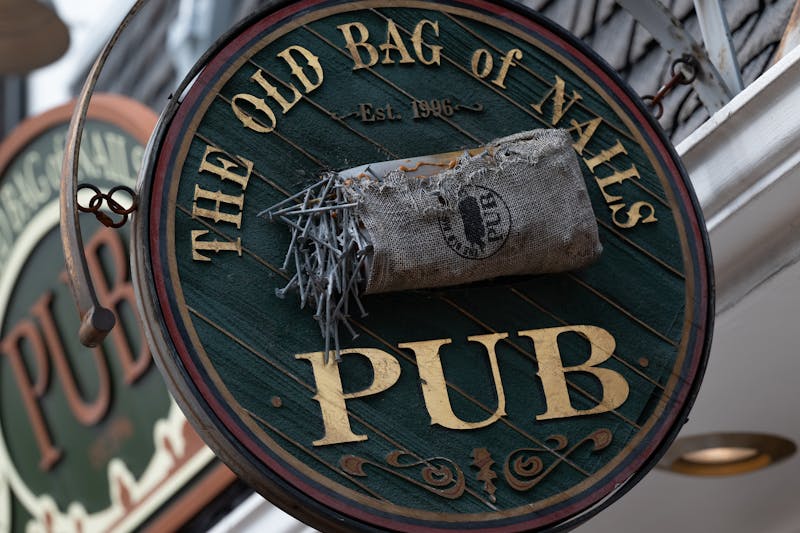
Photo by Chris F
Retail environments require a diverse range of materials to suit different aesthetic and functional needs. While some shops prefer the high-gloss finish of acrylic mirrors, others might need the durability of polycarbonate sheets for outdoor environments. CNC technology is compatible with almost all these substrates, providing a clean cut every time.
The ability to include unique features like rounded corners or pre-drilled holes directly during the cutting process saves time during installation. Instead of builders having to drill into a finished sign on-site, the panels arrive ready to be mounted. This reduces the risk of the material cracking or splintering during the final stages of a shop fit-out.
Long-Lasting Durability and Professional Finish
A retail sign needs to withstand more than just the British weather. It’s often exposed to high levels of sunlight, cleaning chemicals, and sometimes physical contact in busy areas. Choosing high-quality plastic materials ensures that the signage won’t fade or warp quickly. The edges produced by a CNC router are smooth and professional, though further diamond or flame polishing can be applied for a crystal-clear look.
When signs are cut with precision, they fit together better. This is vital for multi-part displays where different components must lock into place or align perfectly against a wall. It creates a seamless appearance that tells customers the business pays attention to detail.
Investing in these fabrication techniques means the signage will look as good in five years as it did on the day it was installed. It’s a reliable way to ensure that the physical representation of a brand stays sharp and inviting for a long time.
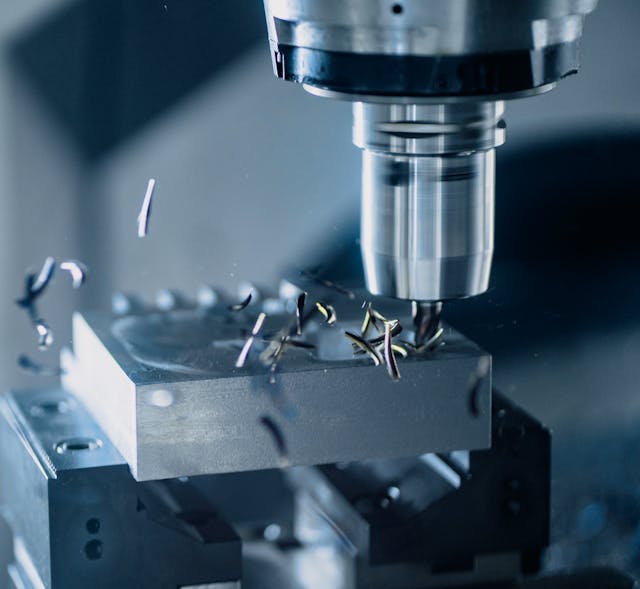
CNC technology provides a clean cut every time – Pic: Photo by Daniel Smyth
The Takeaway
Choosing the right manufacturing process for retail signage is about balancing aesthetics with practical longevity. Automated routing offers the most consistent results, especially for UK businesses that need to stand out in competitive markets. By combining the right materials with advanced technology, retailers can create displays that are both beautiful and functional.
Whether you’re a shop owner, a property developer, or a sign maker, understanding these technical options helps in making better decisions for any commercial project. The focus on accuracy and quality will always yield the best results for your brand.




Leave a Reply