Counsellors are already exceptional people to begin with, but when you’re working with students, some qualities can set you apart from other “school counsellors” in the minds of your students. As a school counsellor, you’re uniquely positioned to make a real difference in the lives of the next generation. Whether you’re working with teenagers or a younger group of children, you can provide them with a safe space to share their feelings and navigate the pressures of school.
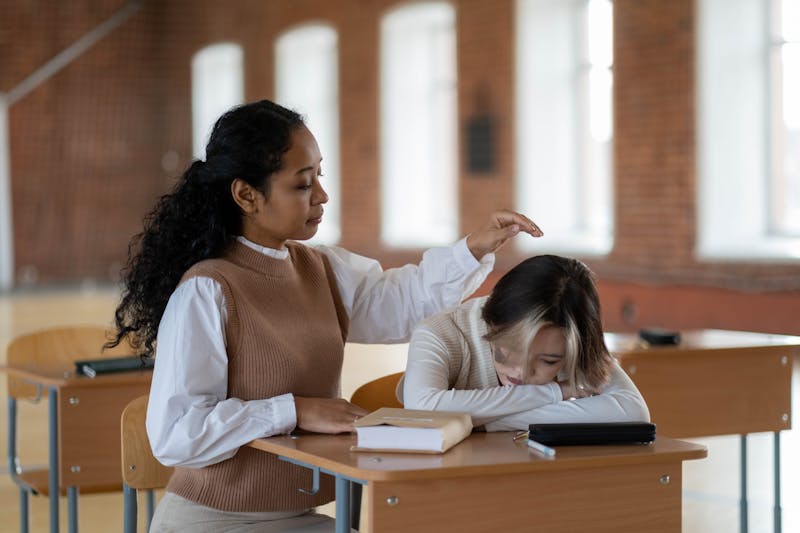
Photo by cottonbro studio
Understanding the Heart of the Role
Empathy and compassion
Empathy is probably a counsellor’s most important skill. It allows you to step into a student’s world for a moment and understand what their situation feels like to them, not through the lens of your own experience. Compassion is what pushes you to take caring action when you notice a student is struggling.
Together, these traits allow you to support students who may be facing bullying, friendship challenges, family problems, identity questions, or academic pressure. Students do not need you to have all the answers.
Patience and understanding
Students grow at different paces, and progress is rarely a straight line. Some will repeat old habits, resist advice, or take longer to open up. A patient counsellor understands that change is a process, not a switch. As you allow students to get comfortable and open up in their own time, you build rapport and trust with them, making your job as a counsellor easier.
Communication That Builds Trust
Active Listening
You may be surprised to know this, but students can tell when someone is generally interested in what they are saying or not. They’ll also pick up on if you’re listening to respond, or if you genuinely want to understand what they are going through.
Active listening means paying attention to their words, tone, and body language, then checking your understanding. Simple phrases like “What I’m hearing is this” or “Did I get that right?” help students feel heard and valued. This kind of listening encourages them to open up more honestly and enables you to respond more effectively.
Strong Communication Skills
Counselling involves conversations that require clarity, sensitivity, and reassurance. You’ll need to be able to communicate with your students by choosing the right words, speaking in a tone that feels safe, and being mindful of your own body language. Sometimes communication is about guiding a conversation, and other times it is about sitting quietly and creating space. It may take you a few sessions to learn which method you need to use.
Thinking on Your Feet
Adaptability and Flexibility
Every student is different. Every situation is different. There is no standard script to follow. Being adaptable helps you adjust your approach to suit the individual student sitting in front of you. Flexibility enables you to change strategies, think creatively, and tailor your guidance to fit each individual’s unique circumstances. Students feel that difference immediately; it shows them that you see them, not just their problem.
Problem Solving
In many cases, students are unsure of how to express their feelings or how to cope with them independently. Sometimes the issue is hidden under changing grades, new behaviour, or sudden withdrawal. As a counsellor, part of your role is uncovering the root cause and working with the student to find a meaningful path forward.
Resourcefulness and Knowledge
School counsellors often act as bridges between students and the wider support network available to them. Being resourceful means knowing what help exists, who to contact, and how to guide students toward the right tools or services.

Photo by Mikhail Nilov
Creating a Supportive and Inclusive Environment
Respect for Diversity
Students come from different cultures, backgrounds, identities, and beliefs. Respect for diversity is one of the most important qualities a counsellor can have. It helps you understand how a student’s experiences shape their challenges, values, and emotional responses. When students feel respected for who they are, they feel safe enough to ask for help. They feel welcomed, not judged.
Advocacy and Support
Students often need someone in their corner, someone who sees their potential, understands their challenges, and fights for their needs. Advocacy is a vital part of the role. It can involve speaking with teachers, supporting academic plans, helping to mediate conflicts, or ensuring that a student receives the resources they deserve. Your support can be the push a student needs to feel confident, capable, and hopeful.
Want to pursue a career as a school counsellor?
Being a counsellor is a gratifying career, but like most careers, it requires you to study before. If you want to know how to become a school counsellor, read the guide provided by Edith Cowan University. They’ll give you the steps you need to take, and you could even study counselling online through their course.
Final thoughts
One of the best parts about counselling is that while you’re assisting others through difficulties, you’re also constantly learning to be more self-aware, giving you the skills to care for yourself intrinsically. Great counsellors all have something in common: they are empathetic, compassionate, great listeners, and patient, among other things. If you’re planning on becoming a school counsellor, consider these traits and start practising them now.




Leave a Reply