After 15+ years running and advising small properties, I’ve learned that most “tech stress” comes from not knowing what the system is actually supposed to do so let’s start with hotel pms modules explained in plain language, the way I’d walk a new owner (or a busy parent running a family-friendly inn) through it during a quiet midweek shift.
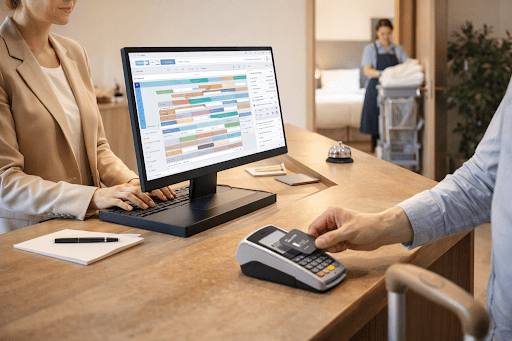
A hotel PMS system is simply the operational “home base” where reservations, room status, guest details, billing, and daily routines come together. You don’t need to be technical to benefit from it; you just need to understand the moving parts, because each module supports a real-life moment: a late family arrival, an early breakfast request, a last-minute room change, or a housekeeping sprint before check-in time.
Why modules matter for small hotels (and family travelers notice)
Guests, especially families, rarely see your back office, but they feel the outcome. Smooth check-ins, correct room types, clean rooms on time, and accurate bills create the kind of stay that gets remembered (and mentioned in mom groups). For owners, the modules are less about “software” and more about reducing preventable friction: double work, missed messages, and those tiny errors that turn into refunds or awkward apologies.
The Front Desk and Reservations module: your “single source of truth.”
This module is where most small hotels operate day to day. It typically handles:
- Booking creation and editing: direct bookings, phone bookings, walk-ins
- Guest profiles: names, preferences, notes (crib requests, allergy info, quiet room)
- Room assignment: matching room type, bed setup, and special needs
- Arrival/departure lists: who’s coming, who’s leaving, who might extend
For small properties, the biggest win is consistency. Instead of sticky notes or a patchwork of spreadsheets, the reservation record becomes the center of the universe. My practical tip: train yourself and your team to put key details in the same place every time (requests, payment notes, special circumstances). Consistency beats complexity.
The Rate and Inventory module: fewer “oops” moments
Rates and inventory sound intimidating, but in a small hotel, they’re mostly about clarity:
- Room types vs. actual rooms: “Family Room” as a category, Room 12 as the physical space
- Rate plans: refundable/non-refundable, breakfast included, long-stay
- Availability rules: minimum stay during peak weekends, closed dates for maintenance
When this module is set up thoughtfully, you avoid the classic mistake: selling a room you can’t actually deliver (or selling the wrong package). For family-focused stays, accurate inventory matters nothing more than realizing the “two-bedroom” is actually one bed and a sofa that’s already promised to someone else.
The Housekeeping module: the quiet hero of guest satisfaction
Housekeeping is where small hotels either shine or scramble. A good housekeeping module typically supports:
- Room status tracking: dirty, clean, inspected, out-of-order
- Task lists: priority cleans, stayovers, deep-clean schedules
- Notes: “extra towels delivered,” “stain treated,” “baby cot placed.”
Here’s the key: housekeeping needs real-time clarity, not hallway updates. Even if your team is small, having a clear status flow prevents front desk promises that housekeeping can’t keep. The family-travel angle is huge. Parents arriving with tired kids are less forgiving about “just 20 more minutes” than business travelers with laptops.
The Maintenance module: prevents small problems from becoming reviews
Many small hotels manage maintenance informally until something breaks during a full house. A maintenance module helps you:
- Log issues (AC noise, loose shower handle, flickering light)
- Assign responsibility and track completion.
- Schedule preventative checks (filters, boilers, safety items)
Owners often ask me, “Do we really need this?” My answer: You need a habit of tracking, even if the module is simple. The module protects you from “I thought someone fixed that” and helps you spot patterns like the same room repeatedly having plumbing issues.
Billing, Folios, and Night Audit: accuracy builds trust
Billing doesn’t have to be scary; it just needs to be tidy. This module handles:
- Charges and payments: room, taxes, extras, deposits
- Folio management: splitting charges (common for families or shared bookings)
- End-of-day routines: reconciling what happened today so tomorrow starts clean
Small hotels feel billing mistakes more sharply because you often resolve them personally. A clean nightly routine, in whatever form, prevents “mystery balances” and helps you sleep. If you’re short-staffed, consider setting a simple checklist: verify departures billed correctly, confirm payment captures, and review exceptions.
Guest Communication module: expectations, not marketing
Communication isn’t about promotion, it’s about clarity. Useful communication features include:
- Pre-arrival messages: check-in time, parking, directions, quiet hours
- On-property notes: late arrival instructions, special requests
- Post-stay follow-ups: lost items, invoice requests
For fabulousmomlife.com readers planning family trips, clear pre-arrival information reduces stress. For owners: fewer phone calls and fewer “I didn’t know” moments. The best message is short, friendly, and practical.
Reporting module: the “owner’s dashboard” without the drama
Reports sound corporate, but for small hotels, they’re your compass. Helpful reports include:
- Occupancy and pace: how full you are and how fast you’re filling
- Average daily rate basics: Are weekend family packages working?
- Source mix: direct vs. OTA vs. repeat guests
- Operational reports: housekeeping workload, maintenance frequency
Use reports for decisions, not perfection. You don’t need a spreadsheet obsession. You need two habits: check a few key numbers weekly, and act on what they’re telling you (even in small ways).
Integration: where small hotels either save time or lose it
Owners often hear the word “integration” and imagine something complicated. In reality, small hotel pms integration is about avoiding duplicate entry. Common integration points include:
- Channel tools and availability sync (so you’re not updating calendars manually)
- Payments (so deposits and refunds are tracked cleanly)
- Accounting exports (so month-end isn’t chaos)
If you’re researching PMS systems for small hotels, prioritize integrations that reduce repetitive work because small teams don’t have extra hands for “retyping what we already know.” Integration isn’t about fancy features; it’s about giving time back to your day.
How to choose which modules to prioritize (a practical owner lens)
If you’re not changing systems but improving how you use one, start here:
- Front desk + housekeeping alignment: prevent broken promises at check-in
- Billing discipline: fewer awkward conversations, cleaner cash flow
- Maintenance tracking: prevent recurring complaints
- Basic reporting: make decisions with confidence
- Smart integration: reduce double work where it hurts most
My favorite rule: pick one operational pain point and map it to a module. If late check-ins are chaotic, focus on arrivals and communication. If turnover is stressful, focus on housekeeping statuses and task lists. Small improvements compound fast in small properties.
The human payoff: calmer days, better stays
A well-used hotel PMS isn’t about becoming a tech person; it’s about becoming more present. When the basics run smoothly, you can welcome guests warmly, handle surprises without panic, and create the kind of stay families remember for the right reasons. That’s what great hospitality looks like in a small hotel: fewer fires, more genuine care, and a team that can breathe.
If you want, I can also turn this into a simple “module-by-module” checklist you can print for your team (front desk, housekeeping, and owner review), written in plain language and focused on daily routines.
Related posts:
 The Secret to Getting Free Hotel Upgrades (That No One Tells You About!)
 Komodo at Your Own Pace – A Practical Guide for Families and Small-Hotel Hosts on Choosing the Right Kind of Trip
 5 Indian Heritage Hotels That Feel Like a Fairytale
 Novotel Mumbai Airport Hotel Stay Experience – Solo Female Travel
Leave a Reply