Mental health tips are essential in a world where more than a billion people live with mental health conditions. I understand the importance of this topic because mental health includes our emotional, psychological, and social well-being, affecting how we think, feel, and act in our daily lives.
When we don’t prioritize self-care and emotional wellbeing, both our quality sleep and overall mental health can suffer. Indeed, if you don’t get good sleep, you may become more easily annoyed and angry. This connection between sleep habits and mental health awareness is critical, as just 30 minutes of walking every day can boost your mood and improve your health.
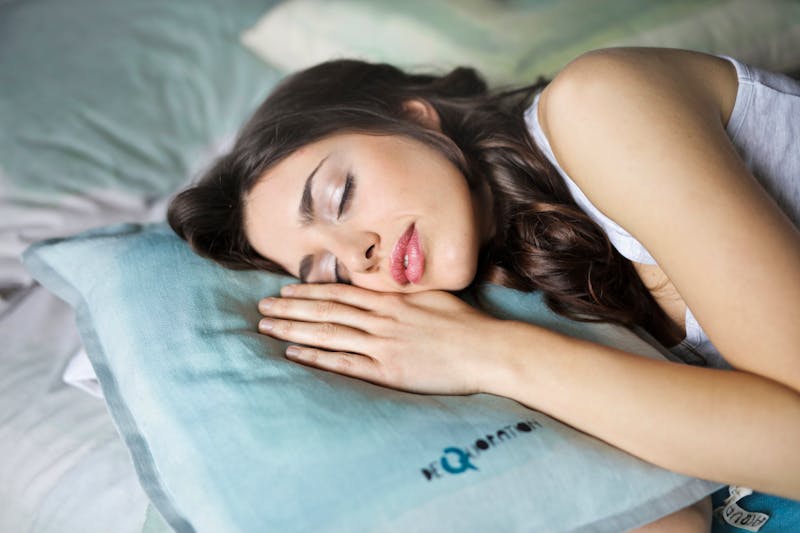
Image – Andrea Piacquadio
In this article, we’ll explore practical ways to improve your mental health and reduce anxiety. Additionally, we’ll examine why making sleep a priority is crucial for maintaining emotional balance. Evidence suggests there are specific steps you can take to improve your mental wellbeing, and we’ll cover the most effective strategies for creating positive change.
What you’ll learn:
- How sleep and anxiety influence each other
- Daily habits that promote better sleep
- Proven techniques to reduce anxiety
- Lifestyle changes that support overall emotional wellbeing
Understand the Link Between Sleep and Anxiety
The relationship between sleep and anxiety is far more complex than most people realize. First of all, research shows that sleep anxiety affects millions of people, creating fear and stress about going to sleep that can seriously disrupt your nightly rest.
How anxiety disrupts sleep cycles
Anxiety creates a state of mental hyperarousal that makes it challenging to fall asleep. Your mind races with worries at bedtime, keeping your body in a state of alertness when it should be winding down. Furthermore, anxiety particularly impacts REM sleep, the phase when vivid dreams occur. For those with anxiety disorders, these dreams may become disturbing or turn into nightmares that fragment sleep. Studies have found that anxiety triggers the body’s stress response systems, specifically the corticotropin-releasing hormone system, which promotes arousal and disrupts normal sleep architecture.
Why poor sleep increases anxiety
Lack of quality sleep doesn’t just make you tired—it fundamentally alters your emotional functioning. Research has confirmed that even short periods of sleep loss, like staying up just an hour or two later than usual, result in fewer positive emotions such as joy and contentment. Sleep deprivation also heightens anxiety symptoms, including increased heart rate and excessive worrying. In fact, studies analyzing more than 50 years of research have shown that all types of sleep loss significantly increase anxiety symptoms.
The sleep-anxiety feedback loop
This bidirectional relationship creates what experts call a “self-reinforcing” cycle. When you’re anxious, you can’t sleep well; consequently, poor sleep makes anxiety worse the following day. The anticipation of not sleeping becomes its own source of anxiety, creating what clinicians refer to as “sleep reactivity”—where stress exposure dramatically disrupts your ability to fall and stay asleep. Over time, this vicious cycle can develop into chronic insomnia and possibly worsen existing anxiety disorders.
Mental health awareness includes understanding these connections. Improving your sleep habits should be considered an essential self-care practice and mental health tip for maintaining emotional wellbeing.
Daily Habits That Improve Sleep and Mental Health
Establishing healthy daily routines offers a practical path toward improving both sleep quality and mental wellbeing. Small changes to your everyday habits can dramatically reduce sleep problems and support your emotional health.
Stick to a consistent sleep schedule
Maintaining regular sleep and wake times holds more importance for health than simply sleeping longer. Research shows that people with the most consistent sleep timing have 20% to 48% lower mortality risk compared to those with erratic sleep patterns. Initially, your body might resist, but eventually, it will naturally feel tired at your set bedtime. Even on weekends, try not to wake much later than your weekday time, as this consistency improves both sleep amount and quality.
Limit screen time before bed
Phone and computer screens emit strong blue light that tricks your brain into thinking it’s daytime, suppressing melatonin production. Studies confirm that looking at screens before bed directly leads to poor sleep quality. According to researchers, two or more hours of evening screen time can seriously disrupt the melatonin surge needed for sleep. Rather than scrolling through social media, try turning off all electronic devices at least one hour before bed.
Create a calming bedtime routine
A bedtime routine involves consistent activities performed 30-60 minutes before sleep that signal your brain it’s time to wind down. Effective options include:
- Reading a book or listening to calming music
- Taking a warm bath or practicing deep breathing
- Preparing for tomorrow by setting out clothes or making a to-do list
- Journaling to process any worries or stressors
Avoid caffeine and alcohol late in the day
Although many use these substances to manage energy levels, both disrupt sleep. Each cup of caffeinated beverage consumed reduces sleep by approximately 10 minutes. Similarly, each alcoholic drink decreases subjective sleep quality by about 3 points on a 100-point scale. Surprisingly, consuming both substances creates a cycle where people need more caffeine each morning and more alcohol each evening. For optimal sleep, avoid caffeine after 2 p.m. and limit alcohol consumption before bed.
Proven Mental Health Tips to Reduce Anxiety
Beyond developing healthy sleep routines, learning specific anxiety management techniques can greatly improve your emotional wellbeing. These mental health tips provide immediate relief during stressful moments while building long-term resilience.
Practice deep breathing and relaxation
Breathing exercises are powerful yet simple tools for managing anxiety. Most notably, focusing on your exhale activates your parasympathetic nervous system, which controls your relaxation response. While inhaling is linked to your fight-or-flight response, extending your exhale signals your body to calm down. Try the 4-2-6 technique: inhale for four seconds, hold for two seconds, and exhale slowly for six seconds. This creates a relaxation signal that helps steady your nerves and regulate your stress response. Other effective methods include diaphragmatic breathing (belly breathing) or resonant breathing (six seconds in, six seconds out).
Use journaling to manage anxious thoughts
Writing regularly about your feelings creates a private space to process overwhelming emotions. Journaling helps manage anxiety by prioritizing problems, tracking symptoms to recognize triggers, and providing opportunities for positive self-talk. Many people find this practice brings clarity to chaotic thoughts. When caught in an anxiety spiral, transferring those overwhelming thoughts to paper helps reclaim control. Try writing down what’s making you anxious today or listing three things that recently calmed you down.
Try progressive muscle relaxation
Progressive muscle relaxation (PMR) is a two-step technique that builds awareness of tension and relaxation in various muscle groups. First, create mild tension in specific muscles while breathing in. Next, release this tension while breathing out, noticing how relaxation feels as tension drains away. Studies show PMR reduces anxiety and depression symptoms, with positive effects lasting up to 14 weeks after treatment. Practice by tensing each muscle group for about five seconds, then relaxing for ten seconds.
Limit exposure to negative news and social media
Constant information bombardment can overwhelm your nervous system. Research shows people who limited their social media use to 30 minutes daily experienced significant reductions in loneliness and depression. Nonetheless, instead of going cold turkey, try turning off notifications, creating tech-free periods during your day, or limiting social media checks to scheduled 15-minute windows.
Lifestyle Changes That Support Emotional Wellbeing
Making lasting lifestyle modifications goes beyond quick fixes for emotional health. Comprehensive changes create a foundation for both mental resilience and quality sleep.
Exercise regularly for better sleep and mood
Regular physical activity increases slow-wave sleep, the deep restorative phase where brain and body rejuvenate. Moreover, just 30 minutes of moderate exercise may improve sleep quality that same night. Exercise also releases endorphins that naturally decompress the mind, plus reduces anxiety by increasing brain-derived neurotrophic factor levels.
Eat a balanced diet to support brain health
Your brain requires constant high-quality fuel directly affecting mood. Diets high in refined sugars promote inflammation and correlate with worsened depression symptoms. Since 95% of serotonin is produced in your gastrointestinal tract, gut health critically influences emotions. Traditional diets rich in vegetables, fruits, and fish reduce depression risk by 25-35%.
Stay connected with supportive people
Social bonds protect against serious illness and create feelings of belonging. High-quality relationships help reduce heart disease, stroke, dementia, and anxiety risk. They also improve stress management capacity, as people with healthy relationships make better health choices.
Practice gratitude and mindfulness daily
Gratitude improves sleep quality, lowers depression risk, and enhances cardiovascular health. Simple practices like asking “what happened today that was good?” can shift perspective.
Set realistic goals and celebrate small wins
Start with small objectives that build confidence. Creating S.M.A.R.T. goals (Specific, Measurable, Achievable, Relevant, Time-based) provides structure.
Conclusion
Throughout this article, we’ve explored how sleep and mental health intertwine in crucial ways. Most importantly, understanding this connection empowers us to make positive changes. The bidirectional relationship between anxiety and sleep creates either a vicious cycle of deterioration or a virtuous cycle of improvement, depending on our daily choices.
Sleep habits directly affect our emotional resilience. Therefore, implementing consistent sleep schedules, creating calming bedtime routines, and limiting screen exposure before sleep can dramatically improve our mental wellbeing. Similarly, managing anxiety through techniques like deep breathing, journaling, and progressive muscle relaxation helps us achieve more restful sleep.
Beyond these specific practices, broader lifestyle changes support both better sleep and reduced anxiety. Regular exercise boosts mood while promoting deeper sleep. A balanced diet nourishes our brain and gut, where many neurotransmitters affecting our emotions originate. Social connections provide emotional safety nets during challenging times.
Small steps lead to significant progress when addressing mental health and sleep issues. After all, even modest improvements in sleep quality can reduce anxiety symptoms substantially. The practices outlined here work together, creating compound benefits for emotional wellbeing.
Anyone can begin this journey toward better mental health today. Perhaps start with just one small change, such as setting consistent bedtime and wake times. Undoubtedly, as these habits become routine, adding additional practices becomes easier. The path to improved mental health and better sleep might seem challenging at first, but the rewards of emotional balance, reduced anxiety, and restorative sleep make every effort worthwhile.




Leave a Reply