A study published by the CDC shows that nearly 1 in 4 adults in the United States has untreated tooth decay, and many of these cases could have been managed earlier with simple preventive care. What makes this important is that most dental problems grow slowly and quietly. They often begin with small changes that you cannot see or feel.
When these early signs are missed, they may slowly turn into more serious concerns. That is often the stage where people begin to feel pain, sensitivity, or swelling.
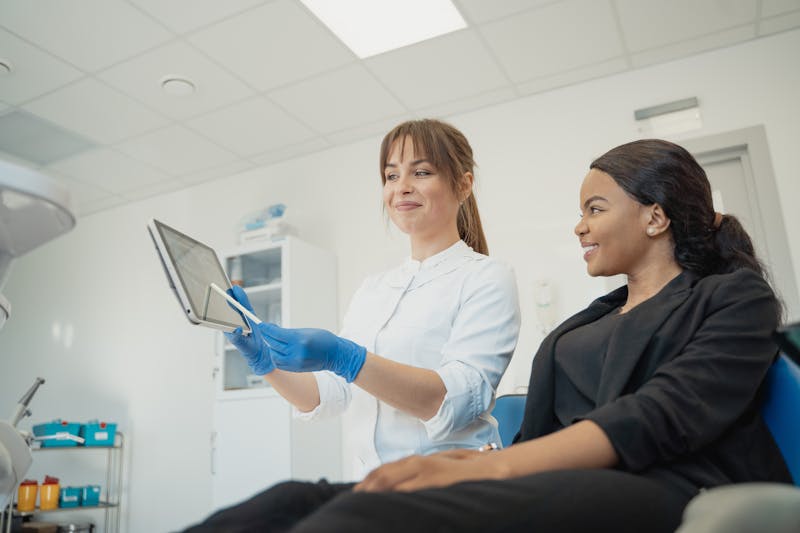
Photo by Tima Miroshnichenko
By that time, treatment is usually more complex and can cost much more than expected. Regular visits to a trusted dentist Pembroke Pines can help identify these changes early and keep your teeth healthier for the long term.
In this blog, we will look at how preventive dentistry helps protect your long-term oral health, lowers the chances of expensive dental work, and what you can expect during a visit at Great Expressions in Pembroke Pines.
What Preventive Dentistry Really Means
Preventive dentistry is simple at its core. It focuses on regular checkups, cleanings, X-rays when needed, and screenings that help identify early signs of gum or tooth problems. These visits give your dentist a complete picture of your oral health, including the areas you might miss at home.
Daily brushing and flossing are important, but they cannot replace the trained eye of a professional.
Research from the National Institute of Dental and Craniofacial Research notes that professional evaluations help detect early decay and gum inflammation before they become noticeable. This is why preventive care benefits children, adults, and older patients equally.
How Preventive Visits Help You Avoid Bigger Problems
Most dental issues begin without pain. A small cavity may form beneath the surface or along a tight space between two teeth. Gum inflammation may also start with subtle swelling that you might overlook. When your dentist monitors your mouth regularly, these changes can be managed early.
Preventive visits allow your dentist to follow:
- The condition of each tooth
- Check the strength of your gums
- Observe any shifts that signal decay or infection
Why Professional Cleanings Are So Important
Even with careful brushing, plaque can settle in places you cannot see easily. Over time, plaque hardens and becomes tartar. Once tartar forms, it cannot be removed with a toothbrush at home. Tartar plays a major role in gum irritation and may increase the risk of gum disease if ignored.
Professional cleanings gently remove plaque and tartar from the gumline and between teeth. These cleanings help keep your mouth healthy and lower the amount of bacteria that lead to cavities or gum problems.
Patients also notice that their teeth feel smoother and cleaner afterward, which helps them maintain better habits at home.
How Prevention Saves Money in the Long Run
Preventive dentistry is often much more affordable than restorative care. For example, treating a small cavity is far less costly than managing advanced decay that requires a crown or root canal later. Early gum care is also simpler compared to treating long-standing gum disease.
Preventive care can also be more manageable with options like Golden Dental Plans, which help patients connect with a local dentist while making routine checkups and cleanings more affordable over time.
Preventive visits do not guarantee that you will never need dental work, but they may reduce the chances of needing major procedures in the future. When problems are found early, both the treatment plan and the cost tend to stay smaller.
Personalized Care That Fits Your Needs
Everyone has different habits and different areas where plaque builds up more easily. Some people grind their teeth at night. Others have gum pockets that need closer attention.
During preventive visits, your dentist guides you on these personal patterns and helps you understand what needs extra care at home.
You may receive recommendations on brushing techniques, tools that suit your gums better, or ways to protect sensitive areas. This kind of individual support helps you stay confident about your oral care routine between appointments.
What Happens During a Preventive Visit
A preventive visit usually follows a step-by-step approach.
Your dentist begins by checking each tooth carefully to look for early decay, cracks, or worn areas.
- The gums are examined next to see if they look firm and healthy.
- If your dentist needs to see below the surface, they might take X-rays to check the roots and bone levels.
- An oral cancer screening is often included, which involves a quick look at the tongue, cheeks, and soft tissues.
- After this, your hygienist performs a professional cleaning to remove plaque and tartar.
- At the end, your dentist reviews everything with you and answers any questions you have about your oral health.
Why Great Expressions in Pembroke Pines Is a Strong Choice
When you visit Great Expressions in Pembroke Pines, you meet a team that focuses on comfort and long-term care. The dentists and hygienists are trained to help patients feel at ease, especially those who may feel nervous about dental visits.
They offer a full range of services, so you can receive preventive, restorative, cosmetic, or emergency care in one place.
Great Expressions also provides options like the Smile Protection Plan. It makes preventive visits more affordable for families who want consistent care.
Their approach reflects their mission of offering compassionate and patient-centered dentistry to every community they serve. If you have been searching for a reliable dentist in Pembroke Pines, this location gives you convenient access to experienced professionals who truly focus on your needs.
Conclusion
Preventive dentistry plays a powerful role in keeping your teeth and gums healthy. These visits help identify small issues early and lower the chances of needing complex treatments later. Plus, it supports your daily brushing routine.
When you stay consistent with your checkups, you give yourself a strong foundation for long-term oral health.




Leave a Reply