Ever get that stiff, tense feeling, or notice your hands and feet are cold for no good reason? That might be your body hinting at sluggish circulation. Our bodies really do their best work when blood moves smoothly, delivering oxygen and nutrients everywhere it’s needed. When things slow down, you can end up feeling uncomfortable and just a bit off.
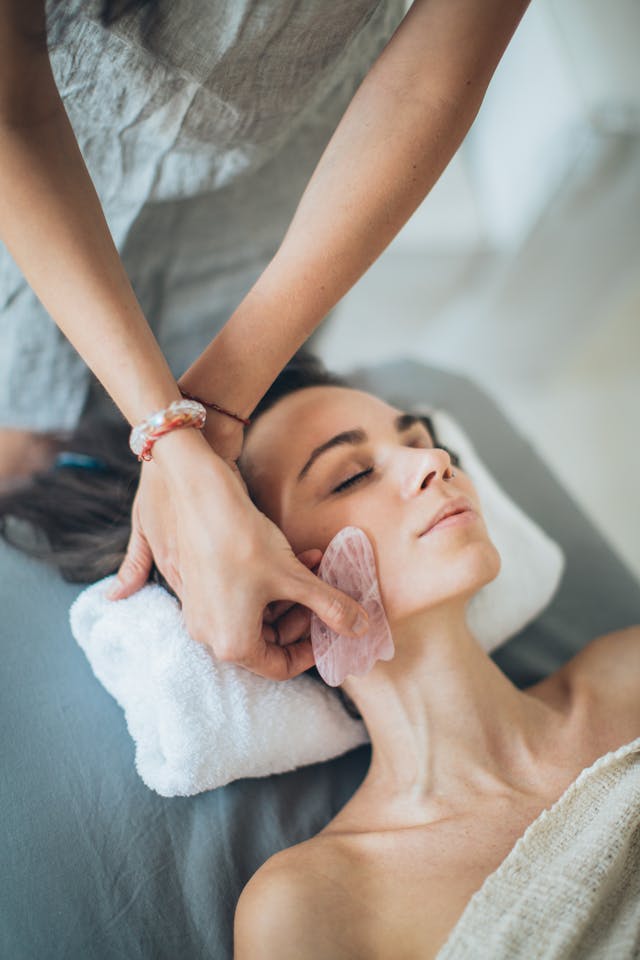
Photo by Elina Fairytale
Moving your body is honestly one of the easiest ways to get your blood flowing and shake off some tension. Walking, stretching, or even gentle yoga can help. The best part? You don’t need fancy equipment or any special skills, so pretty much anyone can give it a try.
Taking breaks to move—even if it’s just five minutes every hour—can really change how you feel by the end of the day. It’s a small habit, but it adds up. You might notice you’re less tense and have a bit more pep in your step.
Natural Methods to Enhance Circulation and Relieve Tension
You don’t have to rely on medication or complicated treatments to improve circulation or ease tension. Simple, natural approaches can work right alongside your body’s own systems to help you feel better.
The Role of Nutrition and Hydration
The food you eat can make a real difference when it comes to blood flow and tension. Foods that boost circulation include things like:
- Dark leafy greens (spinach, kale)
- Citrus fruits packed with vitamin C
- Nuts and seeds with omega-3s
- Garlic and onions, which naturally thin the blood
- Ginger and turmeric, both known for fighting inflammation
Staying hydrated is just as important. Aim for 8-10 glasses of water a day to keep your blood at the right consistency and avoid sluggish circulation. Cutting back on sodium helps prevent water retention and keeps your blood pressure in check. Meanwhile, eating more potassium-rich foods like bananas, avocados, and sweet potatoes helps your body balance fluids better.
Exercise for Improved Blood Flow
Getting active gets your heart pumping and your blood vessels working better. Even moderate exercise can have a noticeable impact. Try walking for half an hour a day. It’s enough to get your heart rate up and send more blood out to your hands and feet—especially if you spend most of your day sitting.
Mixing up your pace with interval training—switching between brisk walking and short bursts of jogging—creates a pumping action that really moves blood through your system. A basic routine could look like this:
- 2 minutes of brisk walking
- 1 minute of faster jogging
- Repeat 5-10 times
Yoga and stretching help loosen tight muscles that might be squeezing your blood vessels. Poses like downward dog or legs-up-the-wall can work wonders for getting blood to your head and feet.
TCM Gua Sha
TCM Gua Sha in Singapore is gaining popularity as more people turn to Traditional Chinese Medicine for natural wellness solutions. This technique involves gently scraping the skin with a smooth-edged tool to promote better blood circulation, relieve muscle tension, and support overall healing.
By applying pressure, practitioners create tiny microtraumas that boost blood flow to the area. Certified TCM practitioners in Singapore usually use jade or rose quartz tools for this.
Some wellness centers here pair Gua Sha with aromatherapy, using oils such as:
- Rosemary
- Cypress
- Juniper berry
People believe these oils can further stimulate circulation. According to research from local TCM academies, regular Gua Sha sessions may really help with stubborn tension and improve microcirculation in the treated spots.
Breathing Techniques and Relaxation
The way you breathe can have a big effect on both your circulation and your tension levels. Diaphragmatic breathing (sometimes called belly breathing) gets more oxygen into your blood and calms your nervous system.
You can try this simple breathing exercise:
- Breathe in slowly through your nose for 4 counts
- Hold for a moment
- Breathe out through your mouth for 6 counts
This 4-6 rhythm tells your body it’s safe to relax. Practicing for just five minutes a day can lower stress hormones that would otherwise tighten up your blood vessels. Progressive muscle relaxation pairs well with breathing exercises. Start at your toes and work your way up, tensing and then relaxing each muscle group. It’s a great way to melt away physical tension that might slow down blood flow.
Massage Therapies for Circulation
Some massage techniques really target circulation and help ease tension. Swedish massage uses long, sweeping strokes toward the heart to help blood flow back up through your veins.
You can even do self-massage at home. Use your thumbs or knuckles and firm pressure on:
- Soles of your feet
- Your palms
- The base of your skull
- Between your shoulder blades
These spots have pressure points that, when pressed, can help get your blood moving. Warming oils like cinnamon or black pepper can make your self-massage even more effective.
Dry brushing before you shower is another simple trick. Use a natural bristle brush and stroke upward from your feet and hands toward your heart. Just a few minutes a day can wake up your circulation and lymphatic system.
Lifestyle Adjustments for Long-Term Benefits
Small tweaks to your daily routine can have a big impact on your circulation and tension. You don’t need fancy gear or complicated plans—just a bit of consistency with movement, sleep, and stress management.
Integrating Movement Into Daily Activities
Staying active throughout the day keeps your blood moving. You could set a timer to remind yourself to stand and stretch every half hour if you’re stuck at a desk. Take the stairs instead of the elevator, or park a little farther away to sneak in more steps.
Spend 5-10 minutes each morning on a simple stretching routine to set yourself up for better circulation. Try ankle circles, gentle neck rolls, some shoulder shrugs, and side stretches with your arms overhead.
Walking meetings are a great way to combine work and movement. Even chores around the house count as activity if you do them mindfully. Why not make them work for you?
Establishing Healthy Sleep Patterns
Good sleep lets your body repair and keeps your circulation in check. Most adults do best with 7-8 hours of solid sleep a night. Sticking to the same bedtime and wake-up time helps your body’s rhythms and supports healthy blood flow.
Your sleep environment matters, too. Keep your bedroom cool (around 65-68°F), dark (blackout curtains help), quiet (or use white noise), and free from electronics.
Try to avoid caffeine after 2pm, and cut down on screen time an hour or two before bed. Blue light from devices messes with your melatonin. A warm shower or bath before bed can help, too—it opens up your blood vessels and gets your body ready for rest.
Managing Stress for Overall Wellness
Chronic stress tightens up your blood vessels, making it harder for blood to flow the way it should. Deep breathing exercises can quickly ease that tension and help your circulation. Try breathing in for four counts, hold it for two, then let it out slowly for six. It feels a bit awkward at first, but it works.
When you set boundaries with work and tech, you keep yourself from feeling overwhelmed. Pick certain times to check your emails or messages instead of being glued to your phone all day. Nobody can be available 24/7, right?
Mindfulness helps you notice physical tension before it really gets in the way. Some people use body scan meditations, others just take a mindful pause now and then, jot down a few things they’re grateful for, or get outside for a bit. Whatever feels doable.
Connecting with people you care about actually lowers stress hormones. Hanging out with supportive friends or family can bring your blood pressure down and boost your mood. Even a short, positive chat with someone can make a difference in how tense you feel later on.




Leave a Reply