A Self-Guided Route with Photo Spots, Maps & Insider Tips
Most people come to South Beach for the sand. I came for the color.
On my first morning in Miami Beach, I set out early with coffee in hand, expecting to snap a few pastel façades along Ocean Drive. Three hours later, I was deep into quiet side streets, peering up at curved balconies and terrazzo floors, realizing I’d accidentally fallen in love with the architecture.
If you’re reading this after planning a budget day in South Beach, this is your next layer — the design story hiding behind the beach.
Start Here: The Art Deco District (Ocean Drive & Beyond)
The historic Art Deco Historic District is one of the largest collections of Art Deco architecture in the world. These buildings — built mostly between the 1920s and 1940s — are defined by symmetry, rounded corners, geometric detailing, and soft tropical colors.

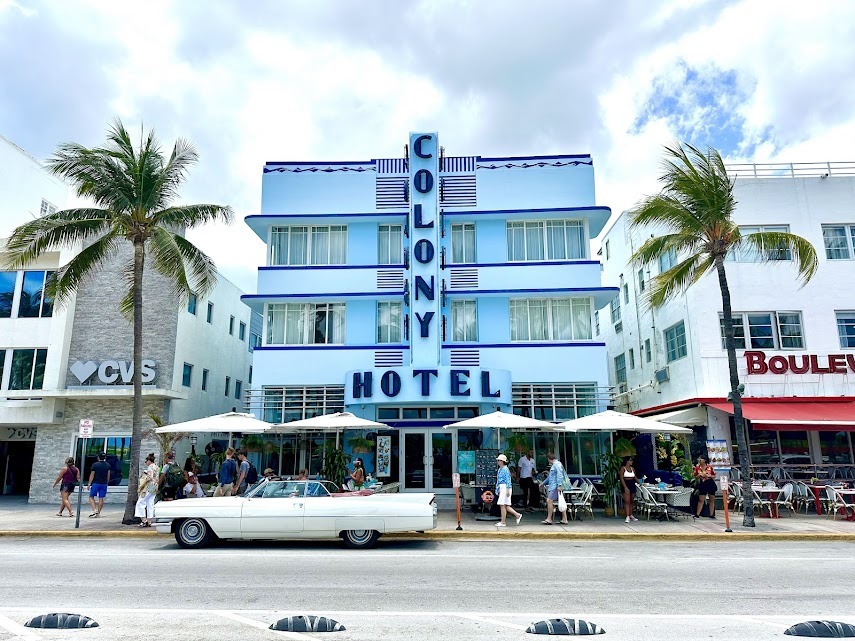
My favorite (and it’s extremely difficult to pick one) – the Colony Hotel on Ocean Drive, South Beach

Personal moment: I almost rushed through Ocean Drive like everyone else, snapping a quick picture and moving on. But once I slowed down and started noticing the etched metal railings and nautical motifs (portholes, ship-like curves), it felt like walking through a stylized movie set from another era.
Don’t Miss:
-
The vertical neon signage at dusk
-
The subtle eyebrow ledges above windows (a true Deco detail)
-
Terrazzo floors inside older hotel lobbies
Extra tip: Step inside at least one boutique hotel. I ducked into one to escape the heat and ended up chatting with a receptionist who told me how preservation efforts in the 1980s saved many of these buildings from demolition.
Collins Avenue: Where MiMo Takes Over
As you move north toward Collins Avenue, you’ll begin noticing a shift in style. Welcome to Miami Modern — better known as MiMo.


The Miami Modern architecture movement emerged post-World War II. Think playful angles, breeze blocks, futuristic overhangs, and space-age optimism.
Why I loved this stretch: It feels less polished and more local. I found myself photographing a retro motel sign while a local walking her dog told me, “People forget this part — but this is the real design story.”
Look For:
-
Breeze block walls (decorative concrete grids)
-
Dramatic rooflines
-
Open-air staircases with curved railings
One highlight is the Giller Building, a lesser-known but fascinating mid-century structure that contrasts beautifully with earlier Deco forms.
The National Hotel: A Preserved Time Capsule
The National Hotel (built in 1939) is one of the most elegant examples of Art Deco still operating today.

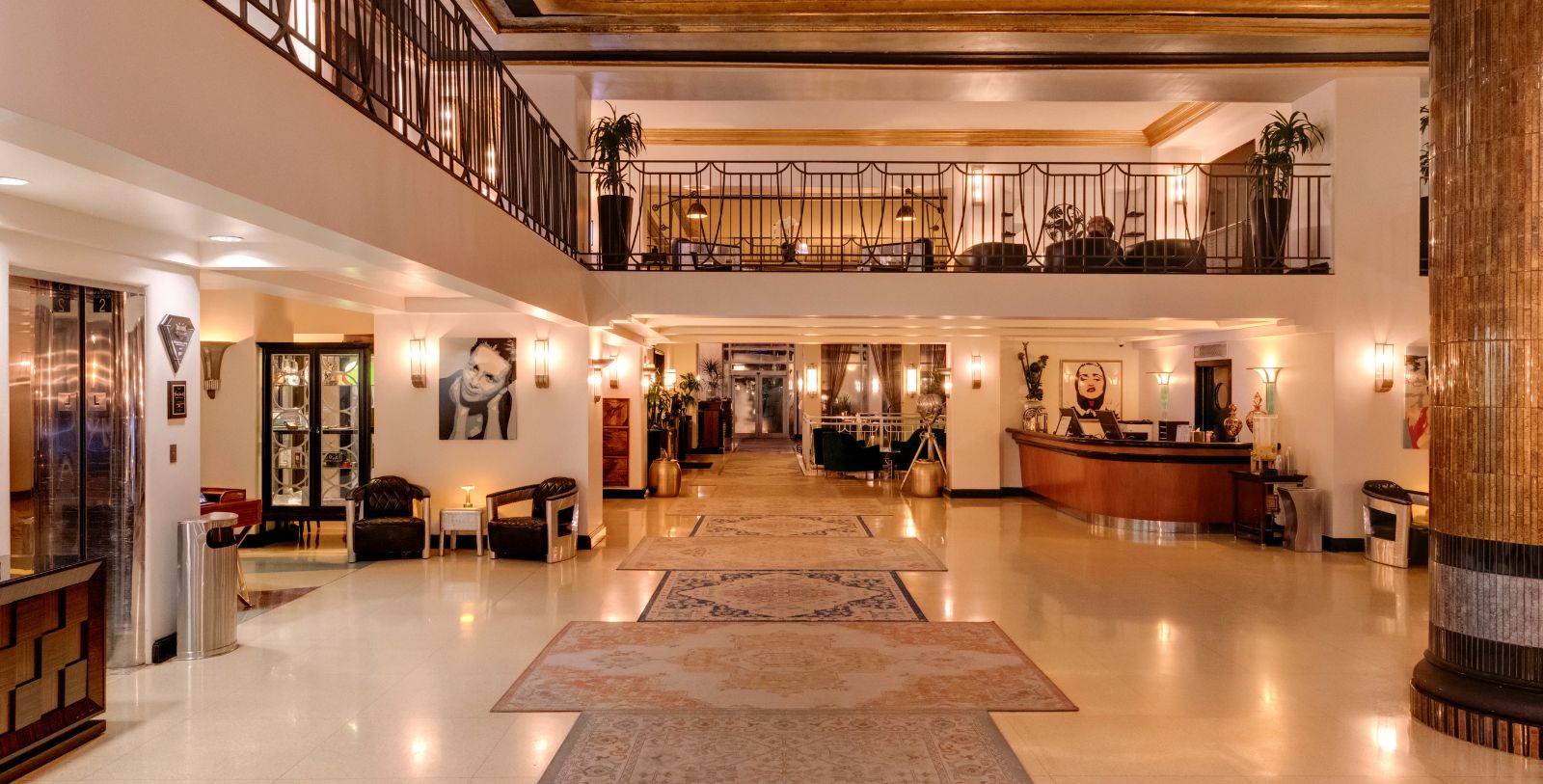

Its long, linear silhouette and symmetrical façade are pure Deco drama.
A real experience: I walked in during a rain shower, planning to leave quickly — but ended up lingering in the lobby. The polished floors, preserved moldings, and soft lighting felt like stepping back into a 1930s postcard.
Even if you’re not staying here, it’s worth respectfully stepping inside to admire the architecture.
Mediterranean Revival Touches (A Hidden Contrast)
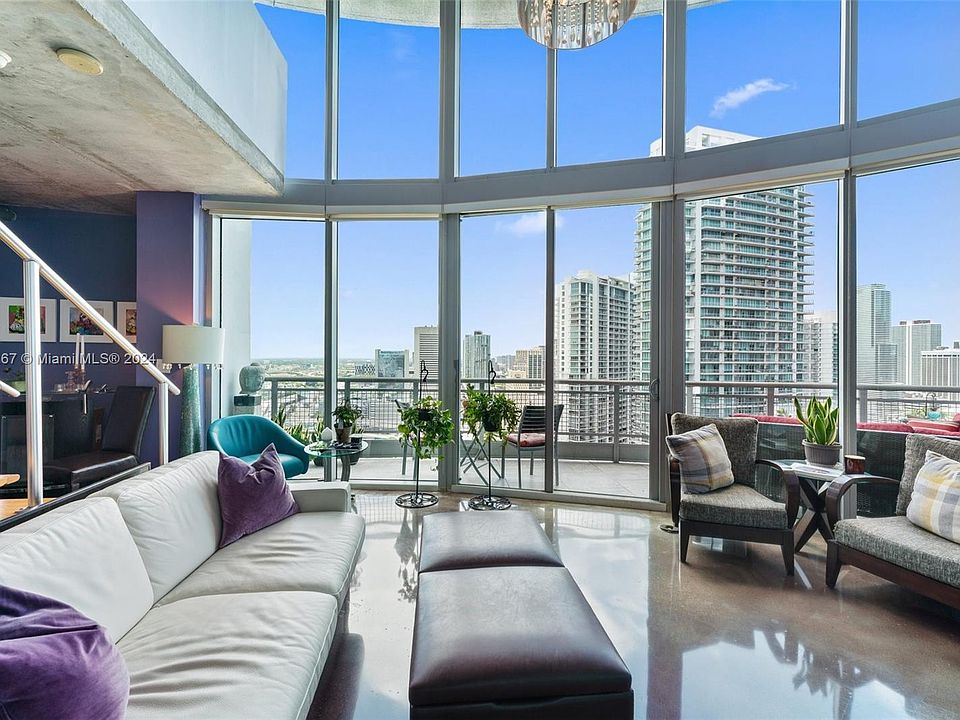
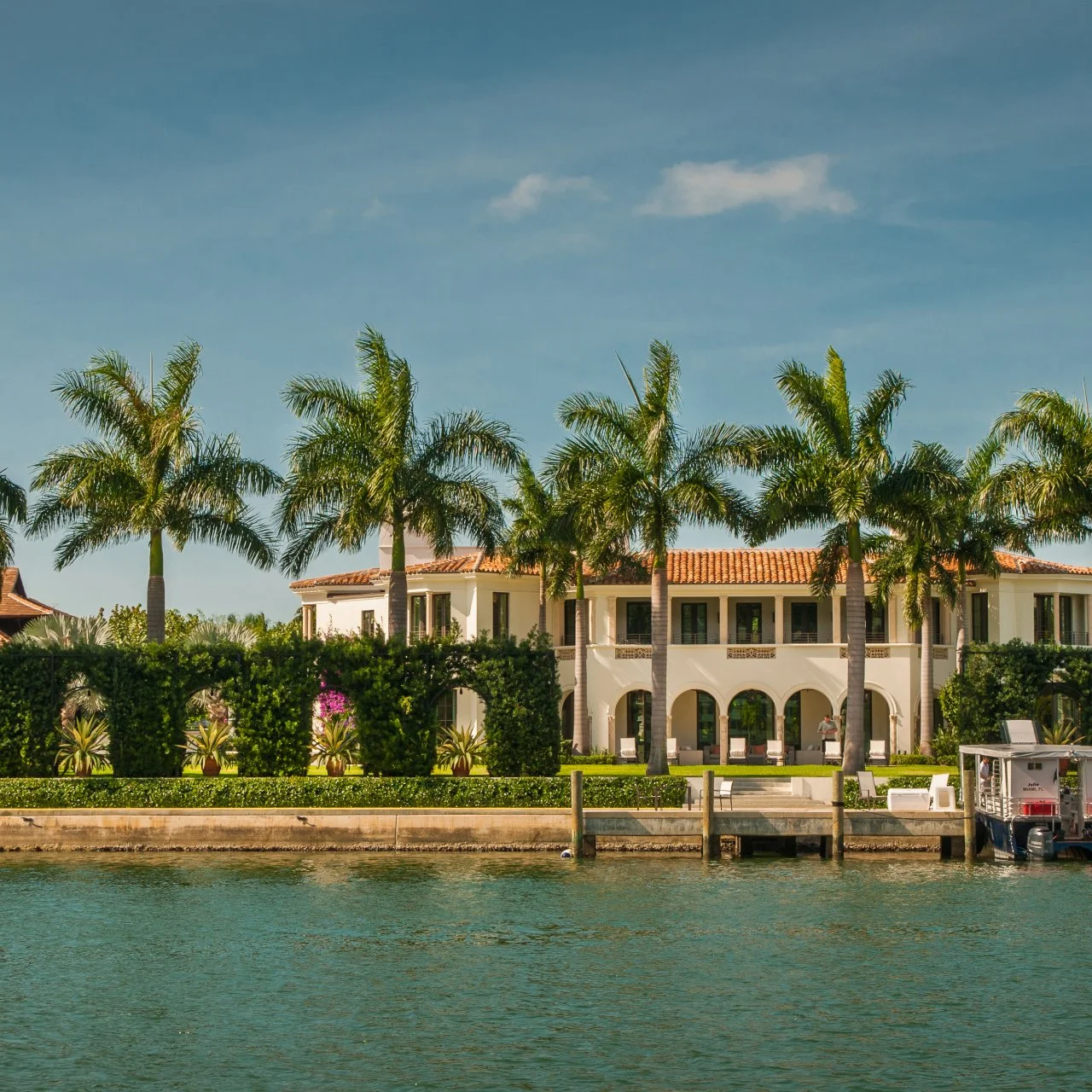
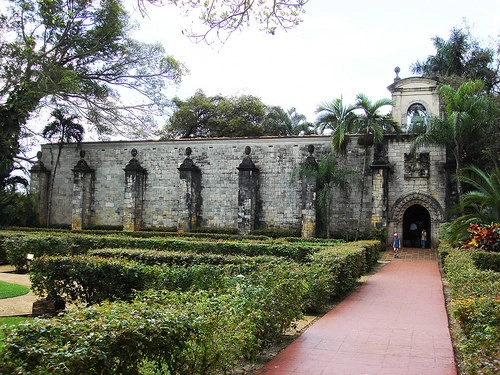
South Beach isn’t only Deco and MiMo. Tucked away are Mediterranean Revival influences — terracotta roofs, arched courtyards, romantic balconies.
The Penthouse Court is a quiet gem often missed by first-time visitors.
Personal reflection: I stumbled upon this building mid-afternoon when the crowds were thick on Ocean Drive. The shaded courtyard and archways felt unexpectedly serene — a moment of calm I hadn’t planned for.
Self-Guided Architecture Walking Route (3–4 Hours)
Here’s the exact route I followed on my second visit — slower, more intentional, and far more rewarding:
1. Start at Ocean Drive (8th–12th Street)
Notice color palettes and signage.
Pause at Lummus Park for contrast shots of palms against Deco façades.
Morning light here is magical — soft and flattering for photos.
2. Head Toward Collins Avenue
Watch the transition from Deco to MiMo.
This is where I started spotting breeze blocks I’d previously ignored.
3. Wander Residential Side Streets
Look for smaller apartment buildings with original detailing.
It felt less touristy here — almost like discovering a secret layer of the city.
4. End Near South Pointe Park
The skyline views here create a striking contrast between historic design and modern Miami.
Sunset here was the perfect architectural finale.
Best Photo Spots for Content Creators
If you create lifestyle or travel content, this walk is gold.
-
Pastel hotel façades on Ocean Drive (early morning)
-
Neon signs at twilight
-
Curved MiMo staircases
-
Mediterranean archways framed by palms
Pro tip: Photograph upward angles to emphasize geometry — and avoid midday harsh shadows.
Why Exploring the Architecture Changes Your Trip
Anyone can spend a day at the beach. But exploring South Beach’s architecture adds context, texture, and personality to your visit.
Instead of saying, “We went to Miami,” you’ll say, “We discovered how a city reinvented itself through design.”
And honestly? That shift from tourist to curious observer is what makes travel memorable.




Leave a Reply