Dark circles under your eyes can be incredibly frustrating, especially when you’re sleeping well. Most folks blame tiredness, but honestly, there’s a lot more going on beneath the surface.
Genetics, allergies, dehydration, sun exposure, and aging can all lead to dark circles—not just missing sleep. If your family tends to have thin skin under the eyes, you might notice those blood vessels peeking through, thanks to your genes.
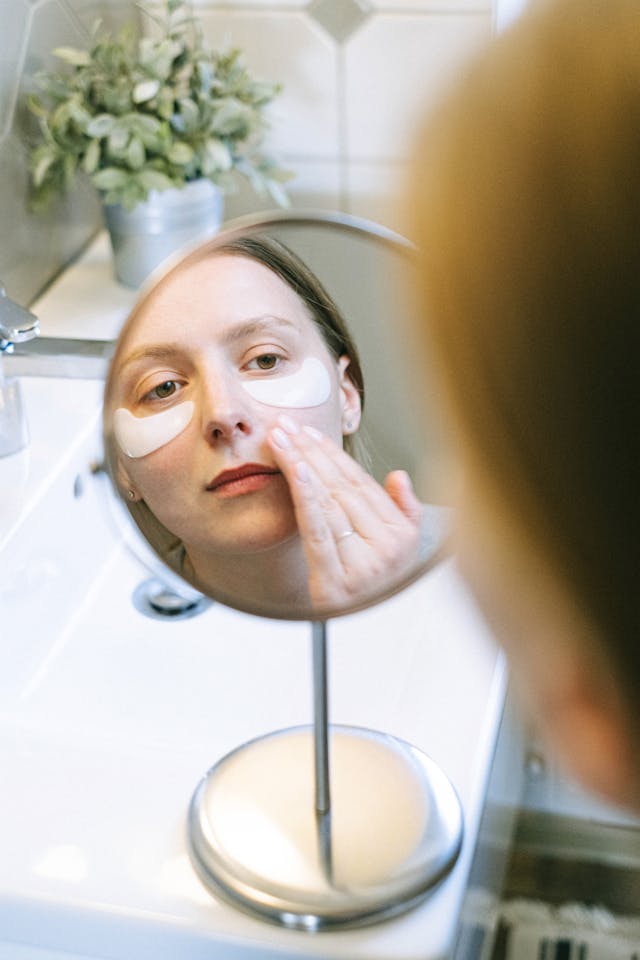
Photo by Ivan Samkov
Getting older doesn’t help either. As the years tick by, your skin loses collagen and gets thinner, so those vessels show up more. And if you smoke, drink a lot, or eat salty foods, you might see even puffier or darker under-eyes because your body holds onto fluid and gets inflamed.
Common Causes of Dark Circles Beyond Sleep
People love to blame lack of sleep for dark circles, but honestly, that’s just one piece of the puzzle. Plenty of other things can make those shadows stick around, no matter how much you rest.
Genetic Predisposition and Family History
Sometimes, you can thank your family tree for those dark circles. If you’ve got relatives with them, chances are you’ll see them too. Some folks naturally have more pigment or thinner skin under their eyes, and that shows up early—sometimes even in childhood.
Genetics shape how thick your skin is, how fat is distributed around your eyes, and just how much those blood vessels pop through. Your genes can also affect how your body holds onto water, so you might notice puffiness that casts even more shadow. While you can’t really change your DNA, you can usually minimize the look with some good habits and care.
Allergies and Nasal Congestion
Allergies are a huge culprit—ever heard of “allergic shiners”? When your body reacts to something, it releases histamines that make blood vessels under your eyes swell and show up more. Common triggers? Think pollen, dust mites, pet dander, and sometimes certain foods. If your nose gets stuffy, you might end up mouth-breathing at night, which disrupts your sleep and makes blood pool under your eyes. That just makes everything look darker.
And if you rub your eyes when they’re itchy, you can break tiny blood vessels and stretch the skin, making things worse. Tackling the allergy itself—maybe antihistamines or steering clear of triggers—can really help lighten things up.
Skin Pigmentation and Ethnic Factors
Your background plays a role too. Some people, especially those with deeper skin tones, naturally have more melanin under their eyes. This shows up as periorbital hyperpigmentation, and it’s especially common if you’re South Asian, Mediterranean, African, or Middle Eastern.
Sunlight can make this pigmentation more obvious by ramping up melanin production, even after just a little exposure. If you’ve had irritation or inflammation around your eyes, you might notice dark patches that stick around for months—your skin’s way of reacting by making extra pigment.
Thin Under-Eye Skin and Aging
The skin under your eyes? It’s super thin—about a quarter the thickness of the rest of your face. That makes it way easier to see blood vessels, which can look bluish or purplish.
As you age, your skin loses collagen and elastin, fat pads shift, and even your bones change shape, creating hollows. These shifts make shadows and dark circles more obvious. Sun damage speeds up this process by breaking down collagen faster. If you start taking care of your skin in your 20s or 30s, you might keep it thicker and bouncier for longer.
Dark Eye Circle Treatment
Singapore offers a wide range of specialized options for dark eye circle treatment, tailored to address the specific causes behind the condition. Whether the issue stems from pigmentation, thinning skin, or poor circulation, there are effective medical-grade solutions available. Popular treatments include laser therapies such as Fotona and Pico lasers, which target pigmentation and stimulate collagen, as well as chemical peels formulated for Asian skin types.
Additionally, radiofrequency treatments are commonly used to tighten the under-eye area and improve overall skin texture. With its advanced aesthetic clinics and skilled practitioners, Singapore is a leading destination for anyone seeking professional dark eye circle treatment in Singapore.
For something a bit more involved, there are hyaluronic acid fillers to plump up hollow tear troughs, PRP injections to boost collagen, and carboxytherapy for better circulation. Clinics in Singapore often blend Eastern and Western approaches. Prices usually run from $200 to $1000 SGD per session, depending on what you pick. Most people need three to six sessions to really see a difference, and then maintenance every half-year or so. With Singapore’s humid weather, you’ll want to pay attention to aftercare for the best results.
Lifestyle and Environmental Triggers
Sometimes, dark circles have nothing to do with your sleep. The way you live and your surroundings can really affect how your under-eyes look and age.
Sun Exposure and UV Damage
Too much sun can make dark circles worse. UV rays trigger melanin production, and that means more pigmentation, especially where your skin is thin. Over time, all that damage adds up and gets harder to ignore as you age.
Apparently, if you use sunscreen with at least SPF 30 every day—even when it’s cloudy—you can avoid most of the visible aging around your eyes. Sunglasses with UV protection help too, since they stop you from squinting (which can deepen lines and shadows) and block out more rays.
Dietary Factors and Dehydration
What you eat and drink shows up under your eyes, like it or not. If you’re dehydrated, your skin gets thinner and those vessels stand out more, making circles look worse. Salty foods can make your body hold onto water, alcohol dries you out, and caffeine sometimes shrinks blood vessels. Upping your water intake—aiming for eight to ten glasses a day—can really help. Foods with vitamin K (leafy greens), vitamin C (citrus), and omega-3s (fish, walnuts) support healthy skin and might help with dark circles.
Some people even notice their under-eyes get darker after eating certain foods, usually because of sensitivities or mild allergic reactions.
Eye Strain and Screen Time
Our digital habits play a big role in eye strain and those persistent dark circles. Most Americans rack up more than 7 hours a day staring at screens, usually without giving their eyes much of a break. When you’re glued to a screen, you blink way less—sometimes around two-thirds less than usual. That dries out your eyes and ramps up blood flow as your body tries to make up for it, which can make the blood vessels under your eyes stand out more.
Blue light from phones and laptops doesn’t help either; it can stir up inflammation and oxidative stress around your eyes, which are already pretty sensitive. Honestly, the 20-20-20 rule is worth a shot: every 20 minutes, glance at something 20 feet away for at least 20 seconds. Toning down your screen’s brightness and flipping on a blue light filter can also give your eyes a little relief.




Leave a Reply