Motherhood brings plenty of expected changes, from sleepless nights to shifting priorities. What often catches women by surprise is how much their hair can transform in the process. From texture to thickness to growth cycles, hair is sensitive to internal and external shifts, and many moms start noticing subtle and not-so-subtle differences.
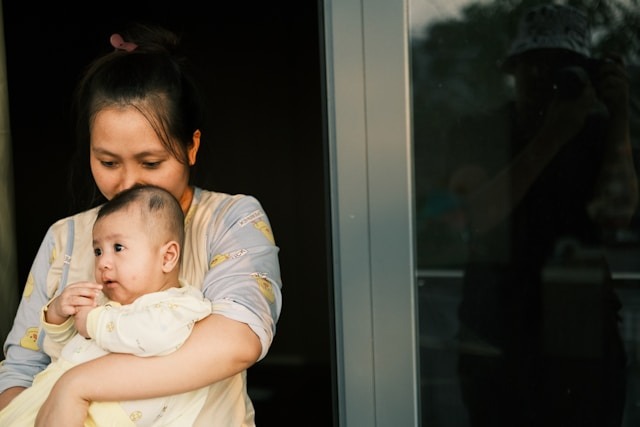
Photo by Trung Nhan Tran on Unsplash
Hormones, lifestyle, and age all play roles in shaping how hair looks and behaves. Whether a mom has just welcomed her first child or is managing the demands of teenagers, hair changes are a part of the journey.
Understanding what causes these shifts and how to manage them helps moms make more informed choices about hair care and self-image during different stages of life.
Postpartum Shedding and Regrowth Cycles
One of the earliest changes new moms notice is sudden hair loss a few months after giving birth. During pregnancy, elevated estrogen levels prolong the growing phase of the hair cycle, leading to fuller strands. Once hormones stabilize after delivery, the resting hairs begin to shed all at once.
This phenomenon, known as postpartum shedding, typically starts around three to four months after birth and lasts several weeks. While the amount of hair that falls out can seem alarming, it’s usually temporary. Hair gradually returns to its normal growth cycle, although texture and density may shift.
To ease this period, moms can switch to volumizing shampoos, use gentle brushing techniques, and avoid excessive heat styling. A balanced diet rich in iron, protein, and vitamins supports new growth.
Effects of Hair Accessories and Extensions
While hair extensions, wigs, and protective styles are popular among moms looking to simplify styling, they can cause unexpected problems if not applied or maintained correctly. Improper tension, poor installation, or insufficient scalp care may result in wig-related hair damage, even more so when worn frequently without breaks. Rotating styles, using breathable materials, and keeping the scalp clean between wears minimize risk. When choosing hairpieces or accessories, prioritize comfort and quality to prevent traction alopecia or buildup that clogs follicles.
Understanding that hair needs rest and care underneath these styles helps moms enjoy versatility without sacrificing hair health.
Hair Texture Becoming More Coarse or Fine
Hormonal changes influence texture as well. Some women who once had smooth, straight strands begin to notice increased waves or curls, while others experience the opposite.
These shifts are common during pregnancy, menopause, or after major health changes. Hormones can affect the shape of the follicle, which in turn alters how hair behaves.
Texture changes can also come from external factors like climate, product use, or damage from heat tools. Switching to products designed for your current texture rather than your past one makes styling and maintenance easier and more effective.
Scalp Sensitivity and Fluctuating Oil Levels
Scalp changes often go hand-in-hand with hair changes. Hormonal shifts, stress, and changes in sleep and diet can all influence sebum production and skin sensitivity. Moms may notice that their scalp feels drier, more irritated, or oilier than it once did.
This can lead to issues like flaking, itching, or inflammation, particularly when paired with frequent updos, dry shampoos, or stress-related habits like scratching or tight ponytails.
Using sulfate-free cleansers, balancing scalp oils with lightweight serums, and spacing out wash days can help maintain scalp health. Avoiding harsh ingredients and paying attention to how your scalp reacts during different life phases supports more consistent hair behavior.
Graying or Color Fading More Rapidly
Gray hairs often start making their appearance in the years after pregnancy, particularly if there’s a family history of early graying. While the age at which this begins varies, the stress of parenting and hormonal shifts may accelerate the process.
Even before full grays emerge, moms may notice their natural color looking dull or less vibrant. This is often due to a decrease in melanin production and slower scalp circulation.
Color-safe shampoos, protective styles, and hair masks with strengthening ingredients can help retain shine and reduce breakage. For those embracing the gray, purple-tinted conditioners help maintain tone and reduce brassiness.
Thinning Hair at the Temples or Crown
Many women find that their hair thins gradually around the temples or crown. These areas are particularly vulnerable to stress, tension, and hormonal shifts. Tight hairstyles, such as buns or braids, can accelerate this process if worn frequently without rest days.
Thinning in these zones is different from typical postpartum shedding. It may happen more gradually and persist for years if not addressed. For some, it may stem from increased sensitivity to androgens or hereditary factors.
Treatments such as scalp massage, topical serums, or low-level laser therapy offer support in stimulating blood flow and follicle activity. Wearing protective styles and avoiding excessive friction can slow the rate of loss.
Hair Breakage From Styling or Environmental Stress
Hair becomes more fragile when it experiences repeated styling stress, chemical exposure, or seasonal dryness. Busy moms often rely on heat tools or tight updos for convenience, but these can weaken strands with time.
Signs of breakage include uneven ends, short flyaways around the hairline, and thinning that doesn’t follow a consistent pattern. Regular trims, deep-conditioning masks, and heat protectants offer a layer of defense.
Environmental stress, such as sun exposure, wind, or hard water, also contributes to breakage. Using hats outdoors or installing a shower filter helps shield hair from damage caused by these external elements.
Hair Growth Slowing With Age
As moms move into their 40s and 50s, many notice their hair grows more slowly than it once did. This is a natural part of the aging process. The active growth phase of the hair cycle shortens, and the resting phase becomes longer. This leads to thinner strands, more spacing between hairs, and fewer new growths.
Nutrition, circulation, and hormone levels influence this shift. A diet rich in antioxidants, adequate hydration, and scalp-stimulating practices such as brushing and massaging can support healthier growth cycles.
While growth may not return to youthful speeds, it is possible to extend the active phase with consistent care and the right topical treatments.

Photo by Xavier Mouton Photographie on Unsplash
Hair changes can surprise even the most prepared moms, but they are a normal part of life’s ongoing transformation. From shifts in texture and thickness to scalp sensitivity and color variation, these adjustments reflect how the body evolves with time, stress, and responsibility. With awareness, patience, and the right care strategies, moms can maintain healthy, strong, and beautiful hair that works with their lifestyle rather than against it.




Leave a Reply