Many pets struggle to stay calm during loud noises, sudden changes, or moments of separation. These moments can turn simple days into stressful ones for both pets and their families. A natural approach creates a softer and steadier mood, and a few small habits can make your pet feel more at ease without adding pressure.
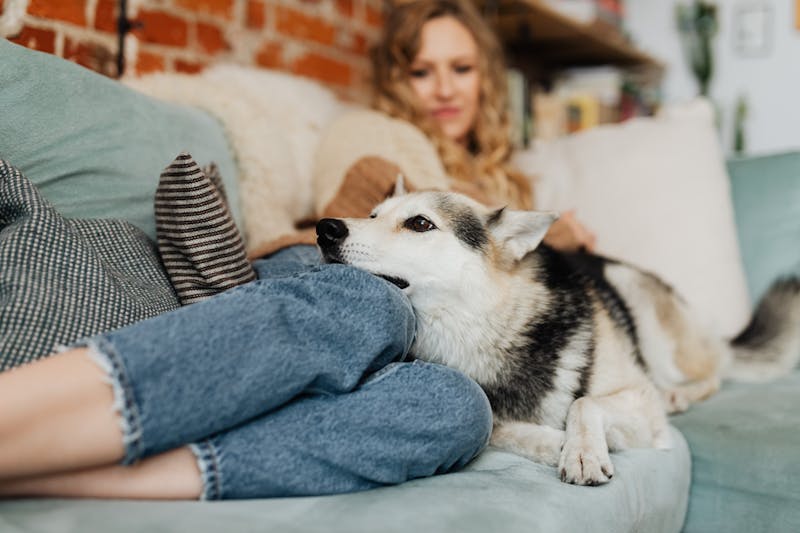
Photo by Karola G
Some pet owners explore gentle aids to support relaxation, and edibles for dogs are one option when chosen with care. These treats work best when they match your pet’s health needs. Together with calm routines, these choices help create a peaceful path to comfort.
Quiet Spaces Make a Big Difference
A calm environment shapes the way pets react to stress. A quiet corner gives them a safe retreat where noise and activity stay low. Choose a space that already feels familiar. Add soft bedding, warm blankets, and steady lighting. These simple touches create comfort without much effort.
You can also use:
- A favorite toy
- A worn T-shirt with your scent
- Soft background sounds
Each element helps your pet feel grounded. A stable space becomes a signal that everything is safe, so your pet can relax without tension.
Simple Daily Routines Work Well
A steady schedule helps pets settle more easily. Predictability gives them something familiar to hold on to. Keep feeding times, walks, and rest periods close to the same time each day. Shorter activities feel easier for anxious pets who tire quickly.
Try a routine like this:
- A short walk early in the day
- A light meal and water
- A quiet rest session
- A second walk later in the evening
Small steps add up. When your pet sees a pattern, their mind settles and stress fades faster.
Natural Treats That Support Calm Behavior
Some pet families explore natural treats when they want mild support for their dog’s mood. Many pets respond well to gentle blends made for tension relief. Treats like edibles for dogs may help ease mild stress, as long as they suit your pet’s health and your vet approves them.
What to Look For
- Clear ingredient lists
- Reliable sources
- Proper dosage instructions
Body Language Helps You Read Your Pet
Pets communicate through many small signals, and these signals guide your next step. A tucked tail, lowered head, or restlessness may show unease. A relaxed posture, steady breathing, and soft eyes show comfort. These clues help you adjust your approach so your pet feels understood.
Small Signs to Notice
- Pacing or shaking
- Slow wagging tail
- Ears pinned back
- Quick breaths
Once you learn these cues, your responses become faster and more accurate. This builds trust and helps your pet feel secure.
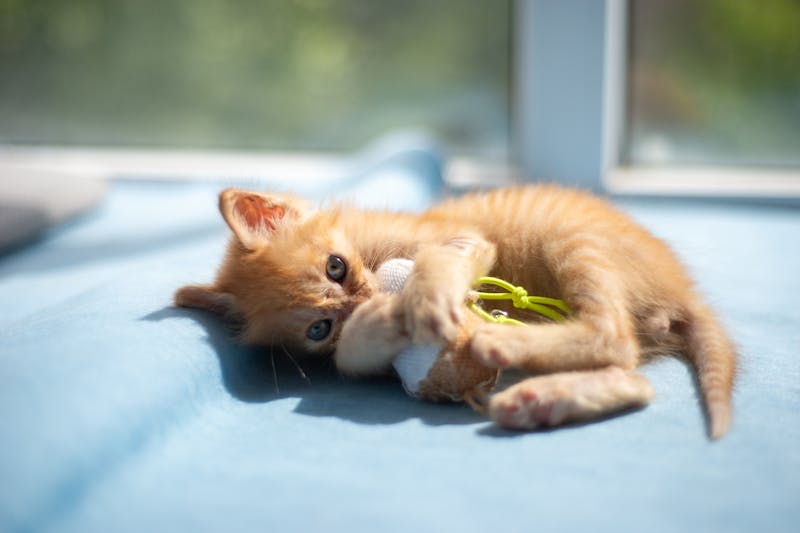
A favorite toy to help relax! Photo by 大 董
Calming Activities Help Pets Reset
Gentle activities help pets safely release stress. Short sniff walks, slow strokes on the head, or puzzle toys give them something positive to focus on. These activities shift attention away from worry. Keep sessions short so you do not overwhelm them.
Quiet engagement helps your pet stay present and relaxed. Water breaks, soft treats, and warm blankets add extra comfort. Every small step supports a peaceful moment that strengthens your bond.
Pets thrive in environments filled with steady habits, gentle care, and calm choices. Quiet spaces, simple routines, natural treats, and clear body cues guide you toward a smoother day with your pet. Your patience makes the biggest impact. With thoughtful steps and a peaceful environment, your pet grows more relaxed and confident over time.




Leave a Reply