Mansfield Park, and the Beginning of a Lifetime with Jane Austen
How a worn Indian edition, a quiet heroine, and an unassuming place became my first and forever Jane
I sometimes feel that our first Jane Austen chooses us.
For me, it was Mansfield Park.
I was eighteen when I first picked it up – long before social media, before reading challenges, before I knew that loving Jane Austen came with a name. I did not know then that “Janeite” was a thing, or that Austen was revered, dissected, adapted, debated endlessly. I only knew that I had an insatiable hunger for reading, that I had already wandered through a few classics, and that one quiet afternoon, in my (late) father’s library, this particular book called out to me.
It was not reputation that drew me in.
It was the cover.
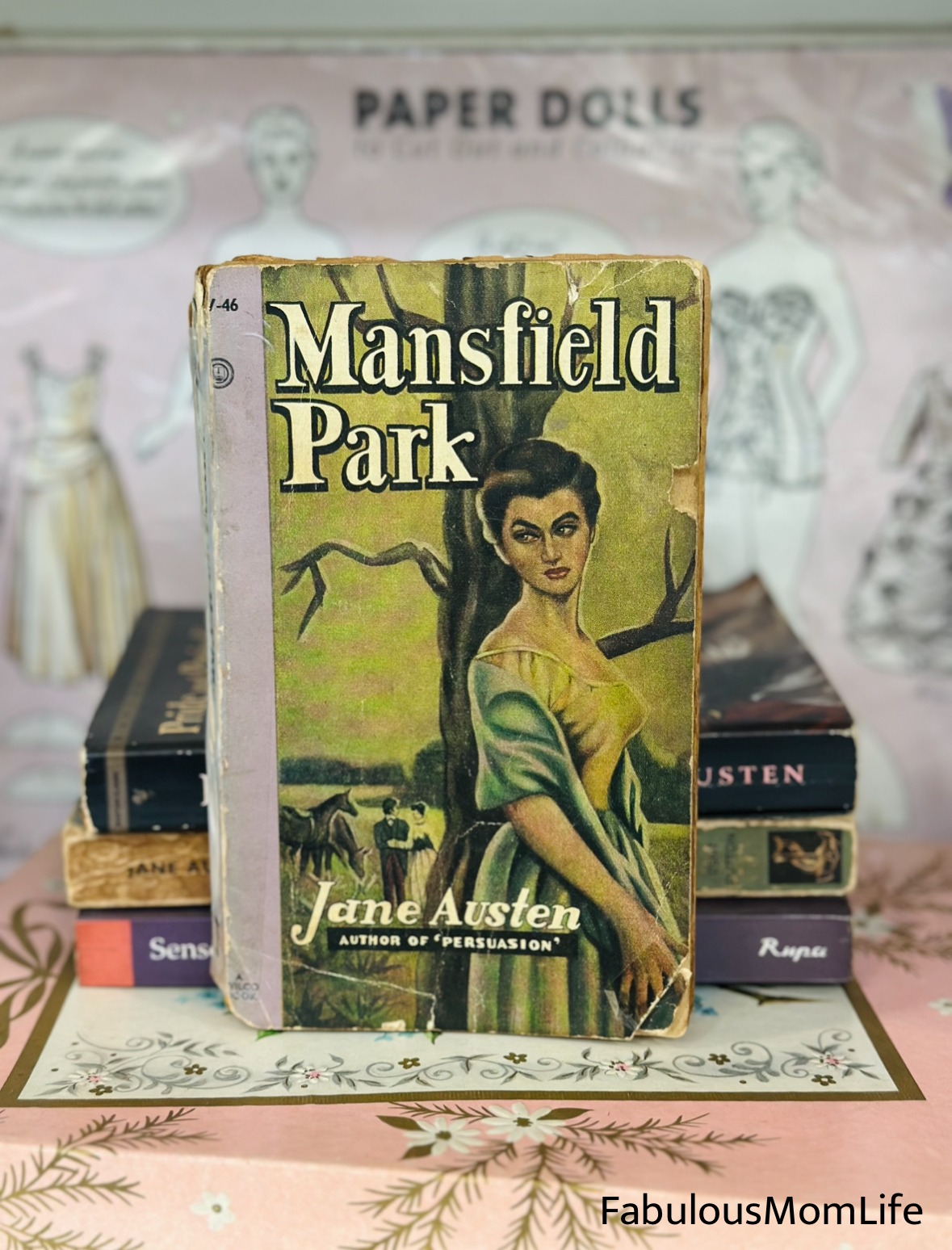
A woman stands slightly turned away, her gaze uncertain, her posture restrained, her world unfolding quietly behind her. Even then, something about her felt familiar. Gentle. Watching rather than performing. Feeling rather than declaring.
That book – this very book – was my first Jane Austen.
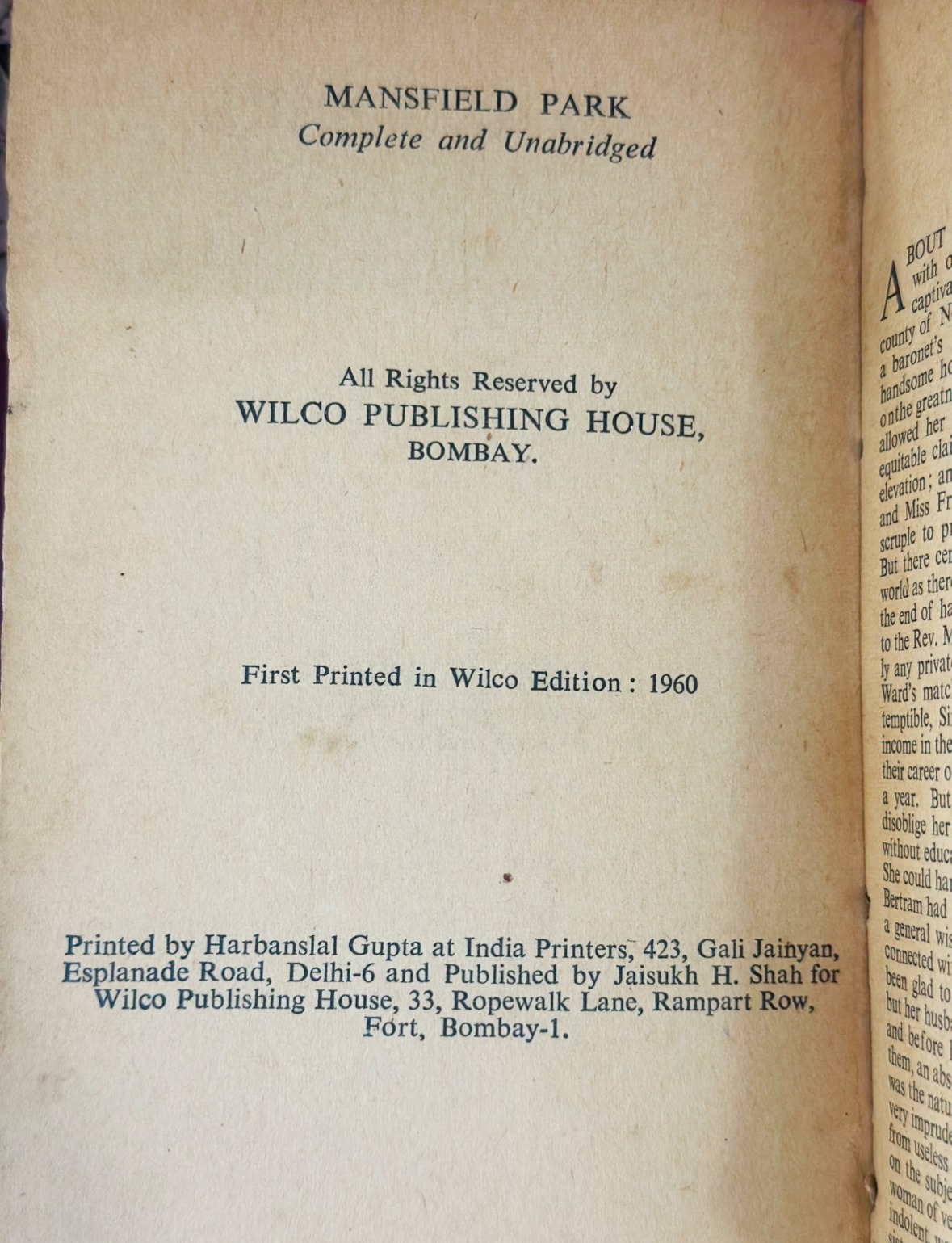
Published by Wilco Publishing House, Bombay, first printed in the Wilco edition in 1960, this complete and unabridged Mansfield Park had already lived a life before it came into mine. Its pages had yellowed, softened, absorbed time. And then, it absorbed me.
I was lost.
From the moment I began reading, I was transported entirely into the world of Mansfield Park. Not merely into a story, but into a place. Every room, every shrub, every pathway became part of my inner landscape. I wasn’t reading about Mansfield Park – I was living in it. I moved through its rooms as though they belonged to me. I knew its silences, its tensions, its unspoken hierarchies.
And when I reached the end – when I had to close the book – I experienced my first true literary heartbreak. I could not bear to leave that world. Jane’s words had built something so complete that returning to real life felt almost like a betrayal.
What is curious, even now, is that I was not longing for any one character. It wasn’t Edmund or Fanny or the Crawfords that held me captive. It was the world itself. That carefully observed, morally complex, emotionally restrained universe that only Jane Austen could create.
My love for her grew naturally after that.
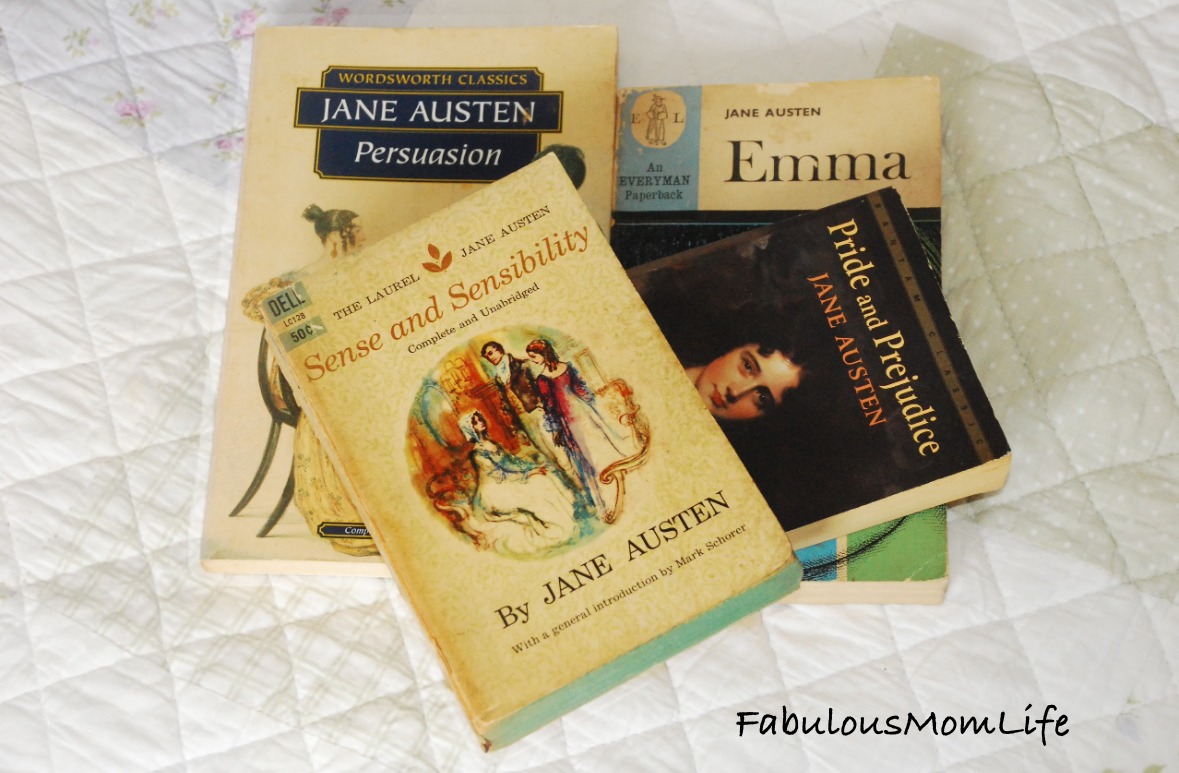
Pride and Prejudice, Persuasion, Sense and Sensibility – they followed, each leaving their own mark on me. While Emma and Northanger Abbey never stirred me as deeply as they do other readers, any words from Jane’s pen have always felt like a gift.
In my mid-twenties, with access to the internet and wider literary conversations, I finally realised that Jane Austen was not just a beloved author to me – she was a monumental figure in literature. I found fan groups. Discussions. People who spoke “Austen”. It felt like discovering a long-lost community.
Then came the 1995 BBC adaptation of Pride and Prejudice. Like so many others, I was besotted. No adaptation before or since has captured Jane’s wit and social satire with such quiet confidence. As for Mansfield Park – it has never truly received the screen justice it deserves, though an adaptation from the 1980s did come close and gave me a tender visual echo of the book I loved so deeply.
I return to Mansfield Park often. And over the years, discussions within Janeite circles occasionally made me pause. Was I mistaken in choosing it as my favourite? Was it too subdued, too moral, too misunderstood?
Now in my forties, I am glad to say my feelings remain unchanged.
In fact, I understand it better.
I finally see why this novel is named after a place rather than a person. Pride, Prejudice, Sense, Sensibility – these are traits, embodied by characters. But Mansfield Park is the true protagonist here. The estate itself shapes every moral choice, every tension, every quiet heartbreak. The people merely pass through it, revealing its character – and their own.
When a widely shared newspaper article surfaced a while ago, arguing that Mansfield Park had long been misunderstood, many readers suddenly began re-evaluating it. I read the article with interest, but little surprise. Most of its “discoveries” were things I had felt instinctively all along.
And that was my moment of clarity.
I love Jane Austen – and Mansfield Park – unconditionally.
I do not need validation.
I do not need justification.
I do not need it to check boxes or fit narratives.
I love it because I love it.
I have largely stopped debating Jane Austen now. I don’t feel the need to explain her brilliance or defend my favourites. Some loves are quieter, deeper, and not meant for persuasion. As Jane herself wrote so perfectly:
“If I loved you less, I would be able to talk about it more.”
And then, there is this cover.
I have always believed that a beautiful book deserves a beautiful skin. Over the years, I have collected several editions of Jane Austen’s works simply because they were lovely. My most expensive copy is Pride and Prejudice from The Folio Society. Yet, strangely, I was never able to find a Mansfield Park cover that felt entirely right.
Until I realised I already owned it.
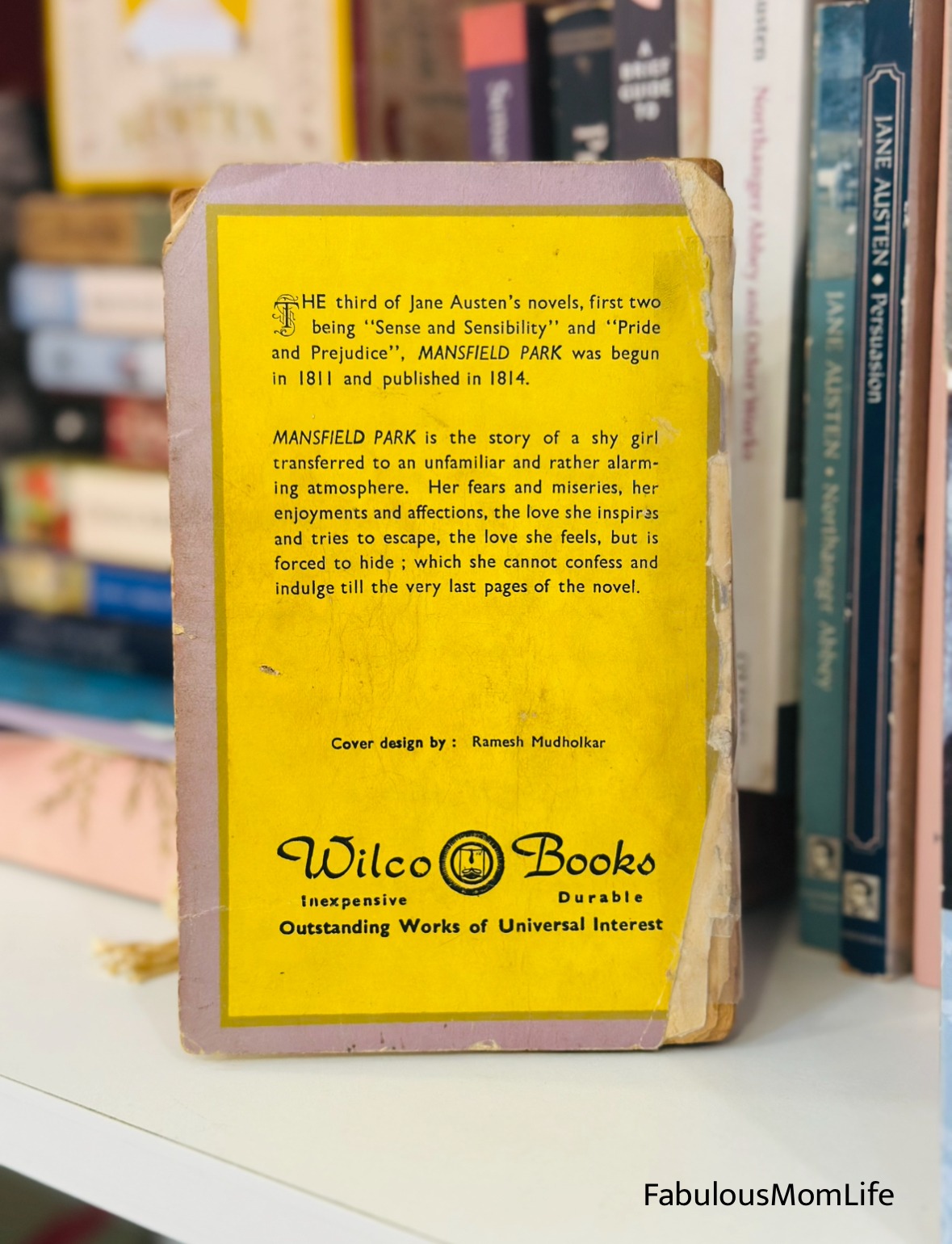
This edition – published in India by Wilco Books – features cover art by Ramesh Mudholkar, an arts graduate from JJ School of Art and a noted children’s book author and illustrator. When I looked him up, it only deepened my admiration.
Because whoever painted this cover understood the soul of the book.
And of Fanny Price.
Fanny is often dismissed as timid, passive, even dull. I have never seen her that way. To me, she is quietly elegant – shy, yes, hesitant, understandably so. She arrives at Mansfield Park from a poorer family, dependent on the goodwill of relatives, constantly aware of her precarious place. Her restraint is not weakness; it is survival.
This cover captures a precise emotional moment in the novel – when Fanny sees Edmund with Mary Crawford. The confusion. The unacknowledged ache. The inability to claim what she feels she has no right to claim. Her heartbreak is internal, restrained, dignified—and utterly devastating.
That complexity is there in her eyes. In her posture. In what is not said.
No other cover has come close.
And how extraordinary it is to realise that perhaps the most sensitive and just visual interpretation of a Jane Austen novel was created in India. A country with its own deep relationship with literature, with readers like my father – and now me. It fills me with quiet pride, and also a wistful wish that we saw more such thoughtful cover designs today.
This book is old now. Fragile. Its edges are worn, its pages delicate. I no longer read from it. Like many books from my father’s collection, I keep two copies – one to read, and one to love.
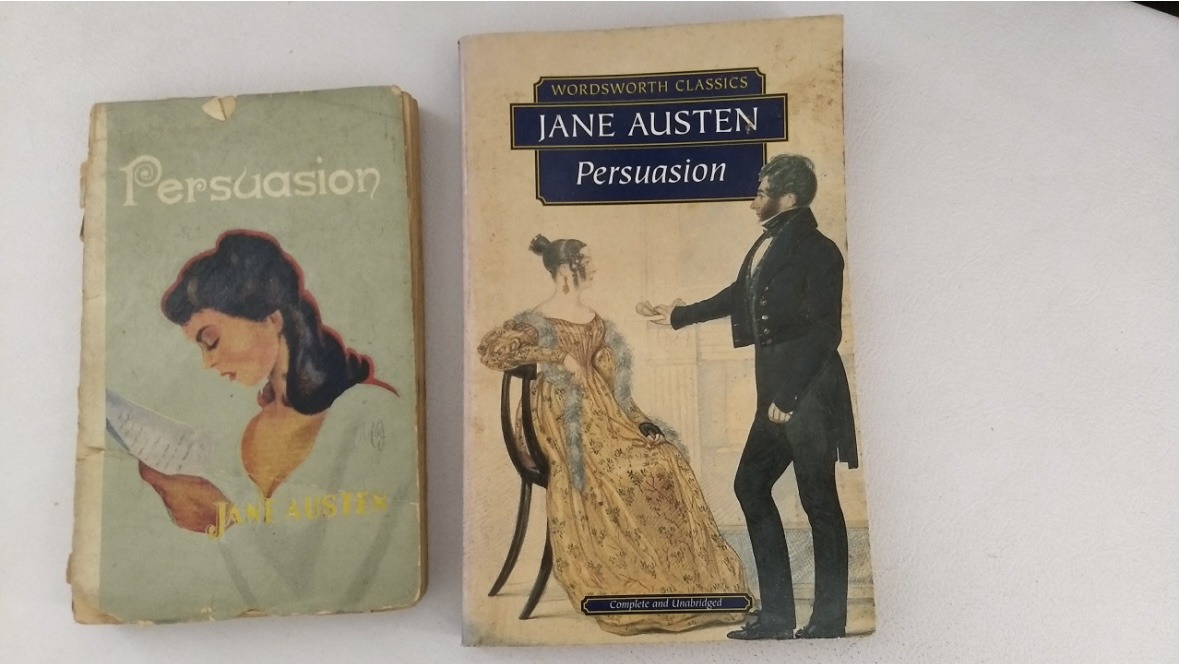
This is the one I cherish.
Today, Janeites across the world celebrate Jane Austen’s 250th birth anniversary. That her work remains relevant, read, debated, loved after two and a half centuries is no small achievement.
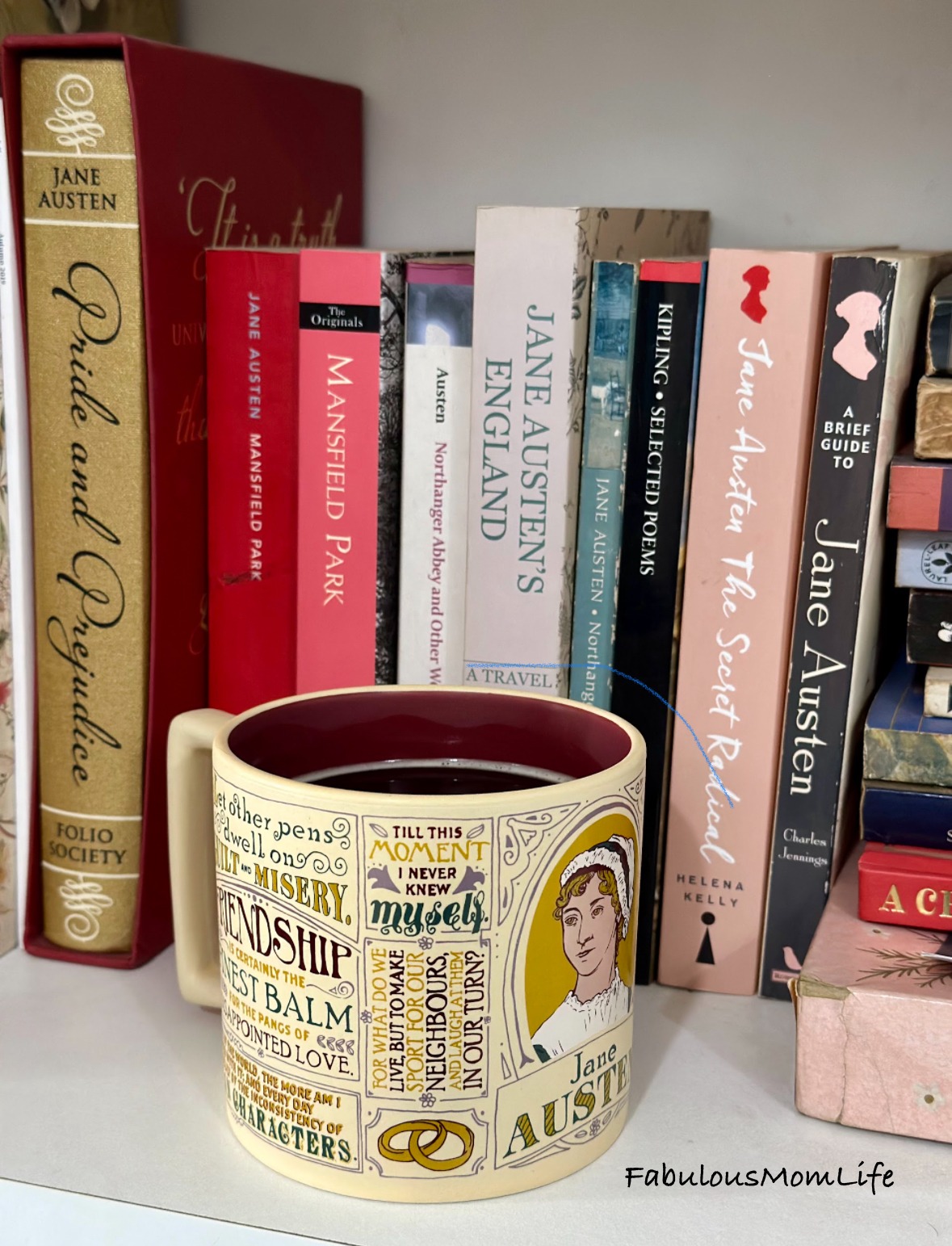
I am celebrating in my own way – by reflecting on where my love began, and how it has grown alongside me. I have changed. My perspectives have softened. On rare days, I even sympathise with Mrs. Bennet. But Jane’s insight into society, her wit, her compassion, her understanding of human nature remain endlessly astonishing.
Mansfield Park was my beginning.
And some beginnings, no matter how quiet or misunderstood, shape a lifetime.




Leave a Reply