Choosing a roofing material may seem like a straightforward project. With so many available options, the decision can quickly become overwhelming. The roof serves as a protective barrier against the elements and plays a vital role in the aesthetic and energy efficiency of your home. Selecting the appropriate material for your roof is crucial for its longevity, your house’s appearance, and, importantly, your budget. This guide will navigate you through various types of roofing materials, considerations for climate, social trends, and even costs involved in different options.
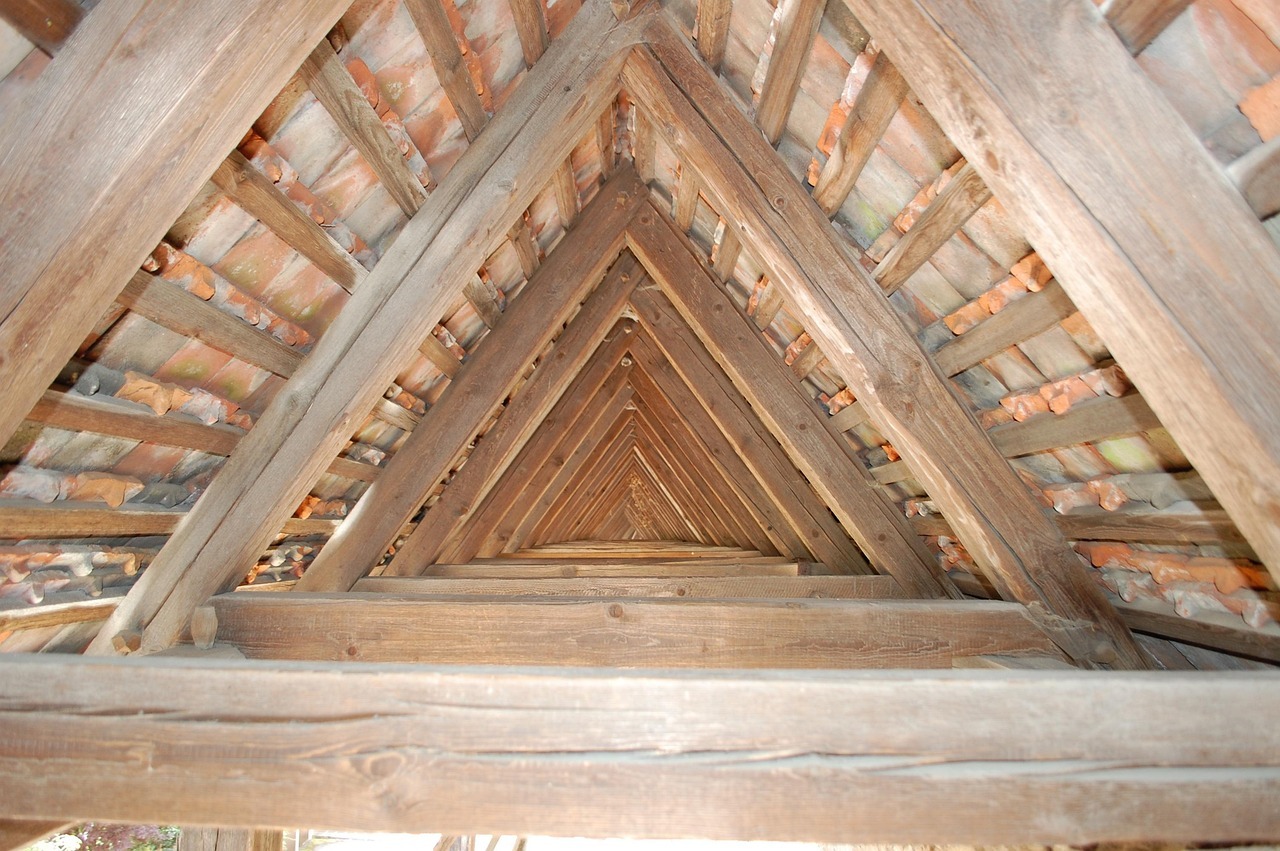
Image by brumarotta from Pixabay
Understanding Different Roofing Materials
Several materials dominate the market. Each possesses unique characteristics, maintenance requirements, and durability ratings. Traditional asphalt shingles are the most commonly used material due to their cost-effectiveness and ease of installation. They offer a variety of colors and styles, making them versatile enough to complement various designs.
Asphalt shingles typically have a shorter lifespan than other materials, often lasting around 20 to 30 years. On the more durable end of the scale lies metal roofing, which has gained popularity in recent years for its longevity and energy efficiency. Metal roofs can last anywhere from 40 to 70 years and are typically resistant to damage from extreme weather conditions. They come in a variety of styles, including standing seam and metal tiles, allowing homeowners to select an option that best fits their taste. For those seeking sustainability, options made from recycled materials are available.
Taking Climate into Account
Climate plays a significant role in determining which roofing material is best suited for your home. Homes in areas that experience heavy snow should consider materials like metal or asphalt that can handle the weight and shed snow effectively. On the contrary, hotter climates may benefit from clay or concrete tiles because they reflect sunlight, significantly reducing indoor temperatures.
Consider wind resistance when selecting your roofing material, as certain materials may be more prone to damage, leading to costly repairs. Soft materials, like cedar shakes, can warp and attract pests. This makes them less ideal for areas with higher humidity and pest populations. Conversely, materials such as slate and concrete are quite durable and come at a higher initial cost. Understanding your local climate will help ensure you choose a roofing option that serves your home well for many years.
Assessing Aesthetic Appeal
The appearance of your roofing material contributes significantly to your home’s curb appeal. Different materials can dramatically alter the look of your home, creating various atmospheres from rustic to modern. Clay tiles offer an elegant Mediterranean look, while metal roofing provides a clean-lined, contemporary aesthetic. Shingle roofing comes in various colors and textures, making it easy to match with other design elements of your home.
When choosing a roofing material, consider its visibility within your neighborhood. A roof that complements the architectural style of your surroundings can enhance both value and appeal. Check local building codes and homeowners’ association guidelines to ensure your selected roofing doesn’t violate any aesthetic standards. In particular, for homes looking to install metal & shingle roofing in Riverview, local regulations may dictate what colors and materials are permissible for installation. Selecting a roofing material that balances personal style with community standards ensures a visually appealing and compliant upgrade to your home.
Evaluating Costs
Budget is an essential factor in roof selection. You should consider the initial cost of materials, and the expected lifespan, maintenance costs, and energy efficiency. Asphalt shingles may have a lower upfront cost. Their shorter lifespan can result in higher long-term expenses. On the other hand, while metal roofing may be more expensive initially, their durability can lead to considerable savings over time.
Energy-efficient roofs can help lower your monthly heating and cooling costs, enhancing your home’s overall efficiency. Get estimates from multiple contractors to determine the best options within your budget. Don’t forget to account for hidden costs such as installation, removal of existing roofing, and potential repairs to underlying structures that may be required before installation. Therefore, prioritize roofs that offer both durability and beauty while aligning with your financial plan.
Exploring New Technologies
As technology advances, new roofing options continue to emerge. Eco-friendly materials, manufactured from recycled products or designed for energy efficiency, are becoming increasingly popular. Solar tiles combine roofing with solar energy generation, providing a dual purpose. Innovations, such as synthetic roofing materials that mimic the look of traditional materials, are gaining traction for homeowners seeking both aesthetics and durability. These advancements are encouraging many to consider alternatives to traditional roofing choices, as they provide both form and function. As you evaluate your options, research newer roofing technologies to see how they may fit your needs and align with your sustainability goals.
Being Mindful of Environmental Impact
As environmental concerns continue to shape consumer choices, the roofing industry has stepped up to respond. Selecting sustainable roofing materials can minimize your environmental footprint while improving your home. Green roofs, often done with vegetation, offer natural insulation and stormwater management. Recyclable materials help reduce landfill waste and can provide better energy efficiency in the long run.
Traditional materials, such as wood, can have significant environmental impacts when sourced unsustainably. Ensure that any wood products you choose are certified sustainable to avoid contributing to deforestation.
Materials with high insulation values tend to reduce heating and cooling needs, thereby reducing your overall energy usage. In today’s climate-conscious society, focusing on environmentally friendly roofing options possesses both moral and practical benefits.
Understand the commitment each roofing material may require for upkeep. This affects your choice and may save you from unexpected costs down the road. A well-maintained roof can last longer and perform better, contributing to the health and value of your home.
Related posts:
 From First Splash to Confident Diver – A Bali Dive Center Manager’s Guide for Families, New Divers, and Small Operators
 How to Explore South Beach in 1 Day on a Budget
 Indian Mom Fashion Essential – The Alluring Kurti
 Casino Games List: Complete Guide to Popular Games, Categories & How They Work (2025)
Leave a Reply